An incubator that takes an equity stake in the businesses it supports is operating a different model from one funded by grants, and for hardware ventures it is usually the better one. Taking equity means the incubator only succeeds if the business does, which aligns the effort and justifies the far higher cost of supporting a physical product.
Specialist incubators of this kind focus on science and technology inventors who want to become entrepreneurs, and their graduates end up supplying major retail chains and international corporates.
Hardware needs more than a desk and advice
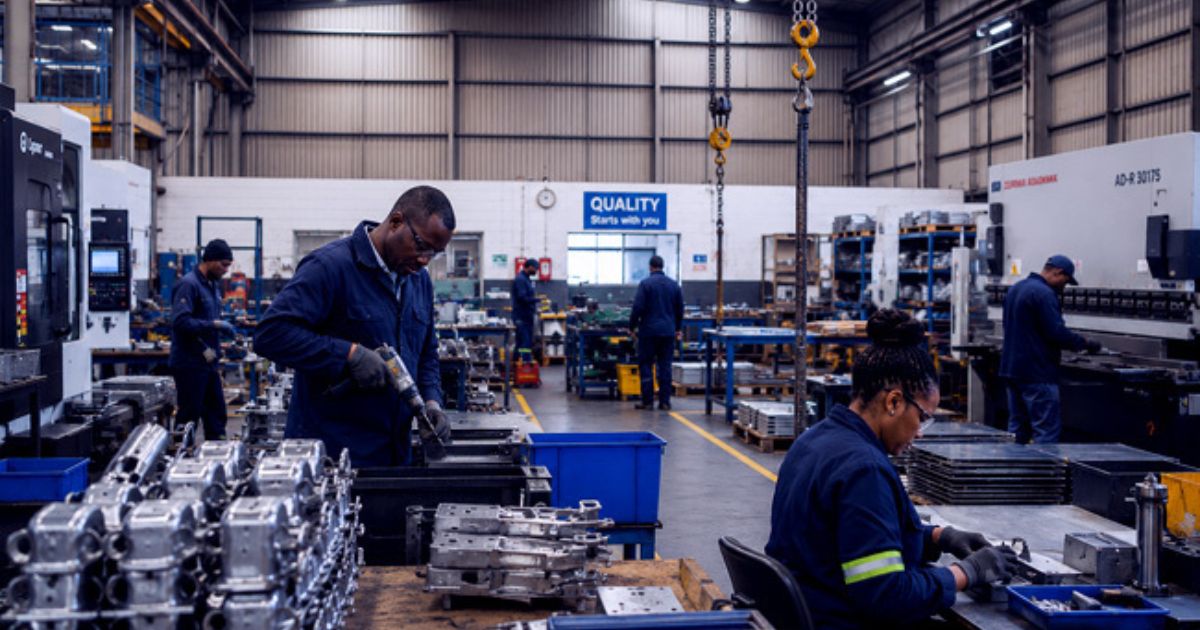
A physical product requires prototyping facilities, engineering supervision, certification, manufacturing relationships and considerably more capital before first revenue than software does. General incubators cannot provide any of that, which is why specialist hardware incubators exist and why they are relatively rare.
Equity aligns the incubator with the outcome
An incubator holding a stake has a direct interest in the business succeeding years later, not in completing a programme cycle. Founders should read an equity request as a commitment signal, and should also negotiate it properly, because a stake given early is given at the lowest valuation the business will ever have.
Intellectual property protection is a selection criterion
Where an incubator explicitly assesses the strength of intellectual property protection, it is selecting for defensibility. A hardware venture without a patent position or a genuine manufacturing advantage can be copied by anyone with a factory, and specialist investors know it.
Retail supply is the realistic exit from an incubator
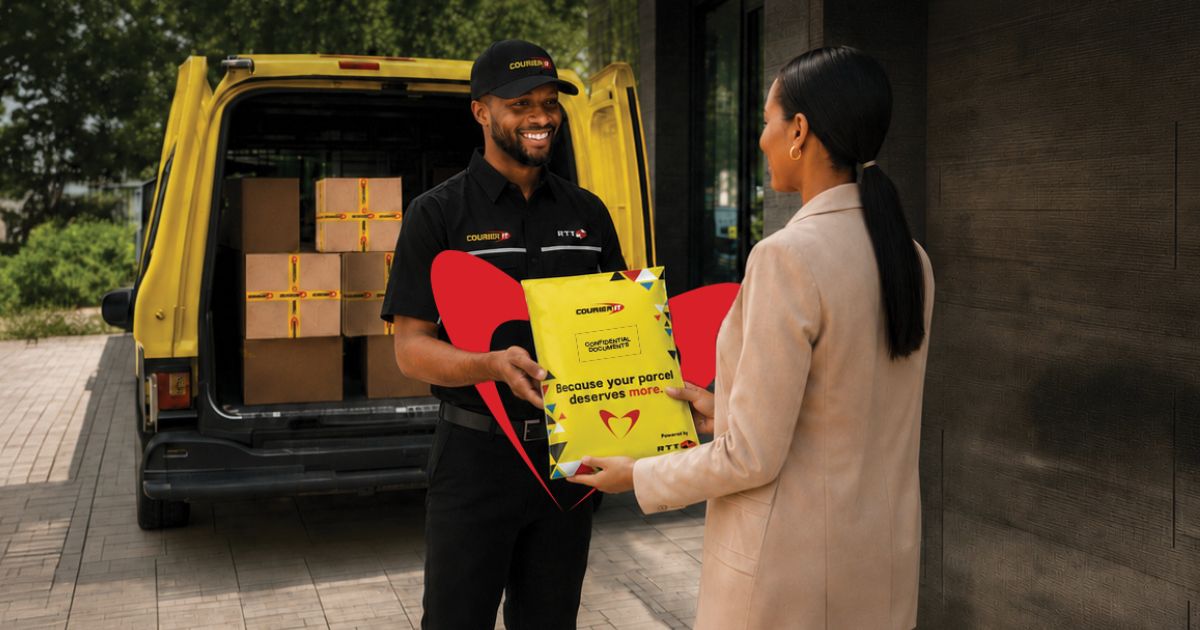
Graduates supplying national retail chains have reached the point where the business works: a product that meets specification, in volume, with the compliance documentation retailers require. That is the outcome to aim at, and it explains why these programmes emphasise standards and certification early.
Government partnership widens who can enter
When a national small business agency partners with a specialist incubator, the objective is broadening the pipeline beyond the applicants who would have found it independently. Commercialisation support for science and technology ventures also runs through the Technology Innovation Agency.
Frequently asked questions
Why do hardware ventures need specialist incubators?
Because prototyping facilities, engineering supervision, certification and manufacturing relationships cannot be provided by a general programme.
What does an equity stake signal?
That the incubator only benefits if the business succeeds later, which aligns effort, though founders should negotiate it carefully at an early valuation.
Why is intellectual property a selection criterion?
Because a hardware product without patent protection or a manufacturing advantage can be copied by anyone with a factory.
What does graduating successfully look like?
Supplying national retail chains, which requires meeting specification at volume with the compliance documentation retailers demand.
Why do government agencies partner with private incubators?
To broaden the pipeline beyond applicants who would have found the programme independently.
Further reading
Originally published in October 2017. Updated September 2026 to explain how equity-taking hardware incubators work, using the lead story from the original roundup.