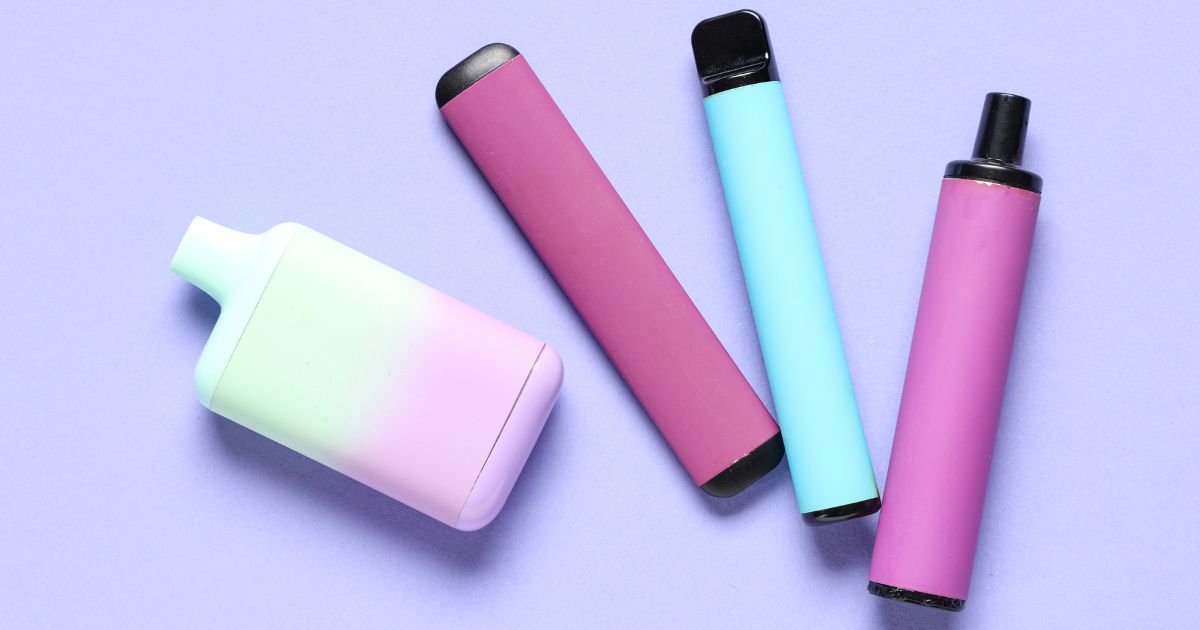
Do you have an interest in starting a vape shop as a business? Starting a vape shop in South Africa requires more than finding suppliers and renting a store. You need to understand your market, calculate start-up costs, manage stock and comply with laws that affect vape products.
Changes in tax rules and proposed tobacco regulations can also affect your business. Before investing money, research the industry and develop a business plan that accounts for these risks.
1. Research the Vape Market
Start by researching demand in your target area. Visit existing vape shops, compare prices and study customer reviews. Look at which products are available and whether local shops offer reliable service.
A store in a busy shopping centre may attract walk-in customers, while one in a residential area may rely on repeat purchases. An online store has different costs, including website maintenance, delivery and customer verification.
Estimate how much customers may spend and how often they return. A growing market does not automatically mean a profitable business. You need enough demand to cover your expenses.
2. Register Your Business and Check the Law
According to Govchain, there are no separate licences required to start a vape shop apart from registering the business as a private company. Additionally, check municipal rules, zoning requirements and lease conditions before choosing premises where your business will operate.
You must also understand the regulations that apply to vape products. South Africa’s Tobacco Products and Electronic Delivery Systems Control Bill was introduced in Parliament in 2022. It proposes tighter controls on tobacco and electronic delivery products, including sales and advertising restrictions.
The legal age for tobacco and vaping products in South Africa is 18 years. Thus, put age verification procedures in place and train staff to follow the applicable rules. If you plan to sell online, check the legal requirements for your website and sales process.
3. Find Reliable Suppliers
Your suppliers affect product quality, profit margins and customer trust. Compare wholesale prices, delivery times, return policies and product documentation before placing orders. Ask for invoices and keep records showing where your stock came from. Check how suppliers handle faulty products and recalls.
Imported vape products require additional planning. Customs duties and import requirements can increase your costs. If you import directly, confirm your obligations with the South African Revenue Service (SARS).
4. Choose Between a Franchise and an Independent Shop
When starting a vape shop in South Africa, you must decide whether to buy into a franchise or build your own business from scratch.
Franchise
A franchise offers an established brand, supplier relationships and guidance on running the store. However, you may need to pay an initial franchise fee, ongoing royalties or marketing fees.
You may also have limited control over product choices, prices and store design. Before signing an agreement, check what support the franchisor provides and whether the expected sales can cover these costs. Additionally, before entering into a franchise agreement, consult the Franchise Association of South Africa, as it guides franchising in South Africa.
An Independent Shop
This option gives you more control over your products, prices, branding and suppliers. However, you will have to invest in your own efforts for suppliers, branding, stock management, operations, and the entire business model. The benefit here is that you can shape the business around local demand without following a franchise’s operating rules.
Compare the total cost of both options, not just the initial investment. Ask for a full breakdown of fees, stock requirements, contract terms and expected monthly expenses. Speak to existing franchise owners where possible, and check whether the business has a reliable trading history.
5. Understand Vape Taxes and Pricing
South Africa introduced excise duty on nicotine and nicotine substitute solutions used in vaping products on 1 June 2023. The initial rate was R2,90 per millilitre of solution. Check current rates and requirements through SARS.
Your pricing should account for the purchase price, delivery, applicable taxes, payment fees and operating expenses. If you import or manufacture products, confirm whether additional customs and excise obligations apply.
Also consider your VAT position. SARS increased the compulsory VAT registration threshold to R2,3 million in taxable supplies over 12 months from 1 April 2026. Review the latest VAT registration guidance.
6. Calculate Your Start-up Costs
The cost of opening a vape shop depends on your location, size and product range. Your budget should include:
- Business registration and professional advice.
- Rent deposits, shop fittings and utilities.
- Initial stock and storage.
- Security, insurance and staff costs.
- Website development and payment processing, if selling online.
- Marketing and working capital.
- Separate once-off costs from monthly expenses.
For example, if your fixed monthly costs are R25 000 and your gross margin is 30%, you need about R83 333 in monthly sales to cover those fixed costs. This excludes any additional expenses not included in the calculation.
Use realistic estimates when preparing your vape shop business plan. Do not base your decision on sales figures you hope to achieve.
7. Manage Your Stock
Good stock management helps prevent cash flow problems. Track which products sell quickly, which generate the best margins and which remain on shelves.
Start with a focused product range instead of ordering too many variations. Set minimum stock levels for items that sell consistently and review slow-moving products every month.
Keep supplier details, invoices and relevant batch records. These can help you trace products if customers report faults or safety concerns.
8. Market Your Shop Responsibly
Before promoting your store, check the rules that apply to vape advertising and the channels you intend to use. Do not assume that a competitor’s marketing approach is legal.
Avoid unsupported health claims, including statements that vaping is harmless or guarantees smoking cessation. Product information should be accurate and comply with applicable law.
For online sales, focus on clear prices, secure payments, reliable delivery information and suitable age checks. These practical details help customers understand what they are buying.
9. Build Customer Trust
Train staff to explain product specifications accurately and check compatibility between devices and replacement parts.
Create a clear returns policy that complies with South African consumer law. The Consumer Protection Act provides rights relating to defective goods, so your policy should not remove protections customers have under the law.
Record complaints and look for patterns. Repeated faults may point to a supplier or product quality problem that needs attention.
Is Starting a Vape Shop in South Africa Worth It?
Starting a vape shop can be a business opportunity, but it requires careful financial planning and a clear understanding of the rules.
Research demand, compare suppliers, calculate your costs and check your legal obligations before investing. A realistic business plan will help you assess whether the potential returns justify the financial and regulatory risks.