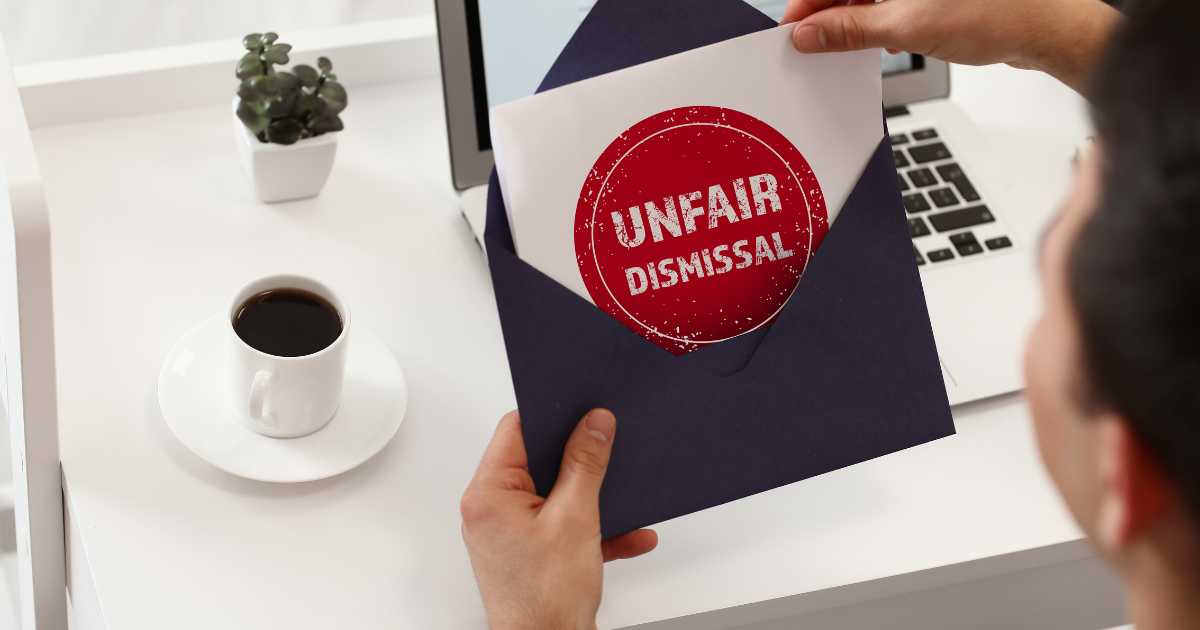
Constructive dismissal, when an employee resigns because their working conditions have become genuinely intolerable through the employer’s conduct, carries the same legal weight as an actual dismissal, making it a genuinely important concept for any SME employer to understand.
These are the fundamentals every SME employer genuinely needs to understand.
What genuinely constitutes constructive dismissal
This isn’t simply an employee unhappy with their job; it requires genuinely intolerable conditions, created or allowed by the employer, that leave a reasonable employee with no real option but to resign.
The bar for what genuinely qualifies is meaningfully high, but employers should not assume it can’t apply to their specific situation.
Why this genuinely carries the same weight as dismissal
Legally, a genuine constructive dismissal is treated the same as if the employer had actively dismissed the employee, meaning the same unfair dismissal risks and remedies apply even though the employee formally resigned.
This is why understanding the concept matters even for an employer who has never directly fired anyone.
Situations that can genuinely lead to this outcome
Persistent harassment, a significant unilateral change to employment terms, or a genuinely hostile working environment left unaddressed are examples of conduct that can create constructive dismissal risk.
Addressing employee grievances properly and promptly is one of the most effective ways to avoid this situation developing in the first place.
Reducing this genuine risk as an employer
Maintaining fair, consistent treatment, addressing complaints seriously, and avoiding significant unilateral changes to employment terms without proper process all reduce the genuine risk of a constructive dismissal claim.
Our guide to what South African labour law genuinely requires covers this, and disputes ultimately fall under the Department of Employment and Labour‘s dispute resolution processes.
Frequently asked questions
What is constructive dismissal?
When an employee resigns because working conditions became genuinely intolerable through the employer’s conduct.
Does constructive dismissal carry the same legal weight as an actual dismissal?
Yes, it’s treated the same, meaning the same unfair dismissal risks and remedies apply.
What can genuinely lead to a constructive dismissal claim?
Persistent harassment, a significant unilateral change to terms, or a genuinely hostile environment left unaddressed.
Is the bar for constructive dismissal easily met?
No, it requires genuinely intolerable conditions, but employers shouldn’t assume it can’t apply to their situation.
How can an employer reduce this risk?
Maintaining fair, consistent treatment and addressing complaints seriously and promptly.