When it comes to marketing your business, there are many ways. You can use market trends like the current FIFA World Cup or just do your own using low-cost channels like social media. Most marketing exercises are worth it for gaining visibility and increasing sales, but some have not always proven effective. This applies to discounts.
Small to medium-sized enterprises (SMEs) compete against bigger brands for visibility on e-commerce platforms. Bigger brands can afford frequent discounts and promos because they have large profit margins. In comparison, SMEs do not always have the large volume required to offset lower prices and risk destroying their own value by running discounts.
In this article, we look at what discounts are, the disadvantages for SMEs and what the alternatives to discounts are.
What is a Discount?
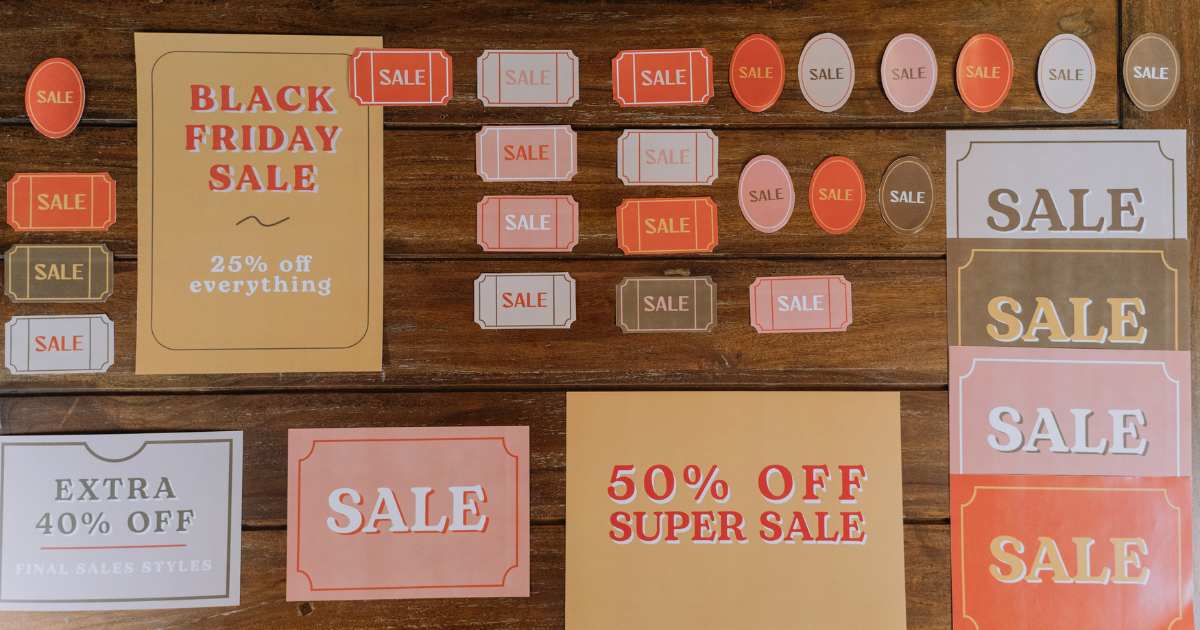
A discount is a price reduction applied to the list price of a product or service. In other words, it is a certain percentage or amount of the sales price that is removed by the seller. Discounts are generally applied for the following purposes:
- To increase sales
- To attract customers and build customer loyalty
- To reduce inventory
- To gain a competitive advantage
- To encourage cash payments
Common Types of Discounts
Here are 12 discount types used by retail and e-commerce businesses:
1. Buy One, Get One Free
A buy-one-get-one-free discount, also called a BOGO discount, typically encourages customers to purchase two of the same item. Sometimes the free item is not the same as the featured item and represents a product of equal or lesser value. As part of this promotion, the customer receives one of the items for free. This discount can help businesses move inventory and encourage customers to increase their order size. Customers may also perceive more value because they receive two items for the price of one.
2. Percentage Sales
A percentage sale is a discount on an item based on a percentage of its value. Businesses sometimes set percentage sales based on specific criteria. For example, a business may offer a 30% discount on purchases for customers who are members of its loyalty programme. A business could also provide a 25% discount on orders when customers purchase three or more items.
3. Early Payment Discounts
In some situations, businesses may offer early payment discounts to encourage customers to fulfil their payments within a specific period. An early payment discount may also encourage customers to pay on time or early by giving them an incentive.
4. Overstock Sales
When a business holds a surplus of stock of a product, it creates a loss. When sitting on shelves, these products do not generate income and cost the business money while taking up storage space. Businesses often host an overstock sale to move inventory at a discounted price and recover some of those costs.
While overstock sales may not recover all of what the business spent on buying the products, it can help mitigate some losses from the extra stock.
5. Free Shipping Discounts
Businesses use free shipping discounts to encourage customers to make online purchases. These discounts help make the online shopping experience easier and less costly. Some brands put a minimum order cost or quantity threshold to help reduce the cost of free shipping.
6. Price Bundling
Often used by phone and Internet service providers, price bundling allows customers to bundle several services under one plan for a discounted price. This discount often gives customers more services for a lower price, helping the business increase the number of people using multiple services.
Price bundling is most often used by retail businesses and is usually called cross-selling. This technique drives customers to purchase complementary items and increases their purchase quantity.
7. Bulk or Wholesale Discounts
This type of discount applies to customers who purchase items in bulk, often offered by wholesalers, manufacturers or suppliers. Wholesalers typically offer discounts based on a threshold of units included in the order.
8. Seasonal Discounts
Businesses may offer seasonal discounts during slow periods for particular items. These discounts may cover items currently not in season or part of an upcoming sales season. For example, a clothing retailer may offer discounts on ski wear during the summer when fewer people typically make such purchases.
9. Referral Discounts
Referral discounts offer customers an incentive each time they refer a new customer to the business. Existing customers receive a unique referral code that they can share with other people. This referral code may offer a two-way discount, with the new customer earning a discount on their first purchase and the referrer receiving discounts based on the number of customers they bring to the business.
10. Loyalty Programme Discounts
Loyalty programmes that offer discounts encourage customer loyalty by providing benefits that only members can get. The format of these programs can vary. For example, a business may reward customers with points when they interact with or purchase from them. When these customers reach a particular threshold of points, they may receive a discount code or offer.
11. E-mail Subscription Discounts
An e-mail funnel is a marketing technique that drives customers to your website or brand by gaining leads through emails and e-mail promotions. Offering a discounted product or service to a customer in exchange for signing up for the business’s promotional e-mails or e-newsletters provides them with tangible value and turns them into a loyal customer.
12. Trade-in Credits
Businesses can offer trade-in credits when they release new versions of products, encouraging customers to bring in the old versions they own and purchase the new ones. For example, a business that sells smartphones may offer customers a discount on a new model if they trade in a previous model.
Disadvantages of Offering Discounts
There are a number of disadvantages when relying on discounts to increase sales:
- You risk damaging the reputation of the brand
- Customers may get into a habit of “waiting” for discounts instead of purchasing at full price
- You risk getting into a price war with your competition and being seen as a commodity
- Discounting can end up hurting your profit margins
- Potential customers may question the quality of your product/service
How to Increase Sales Without Discounting
There are so many ways you can increase your sales without relying on discounts. Here are three ways to do it.
1. Increase Perceived Value
Perceived value is a customer’s perception of a product or service when compared to other products on the market. You can increase the perceived value of your product or service by clearly speaking to the pains or desires that are important to your customer. This will reinforce the value and necessity of their purchase.
To effectively do this, you must have a good understanding of your customer demographics and their internal drivers.
2. Identify a Niche Market
Identifying a niche market means you don’t use generic messaging but rather more targeted messaging for a specific customer profile. You do this so that your business is seen as a specialist from the perspective of your clients.
3. Improve Your Marketing and Positioning
If you find yourself relying on discounts just to generate sales, you may need to consider that your marketing and positioning are just off. This can end up attracting the wrong type of customers.
By marketing and positioning your business properly, you won’t need to ‘sell’ because your customer base will end up selling for you. Think about what your customer really wants and make sure that the marketing you conduct speaks to how your offering makes their lives better.