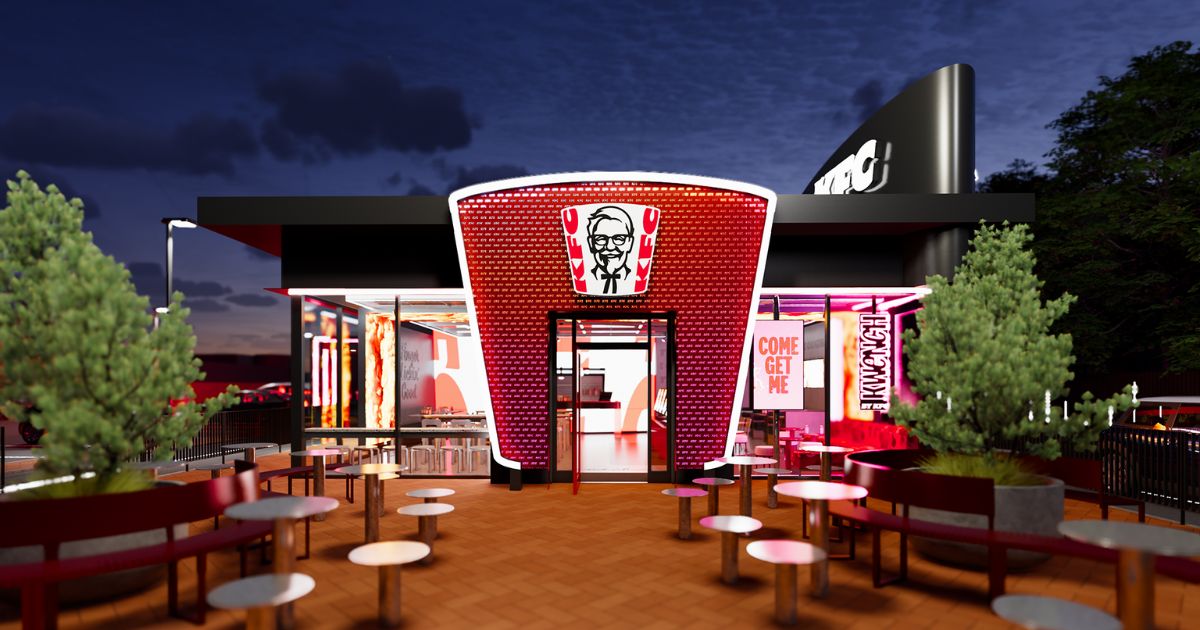
Some franchise sectors consistently show more resilience through challenging economic conditions than others, largely because they serve needs that remain relatively constant regardless of broader economic pressure, essential food, value-focused retail, and services addressing needs people cannot easily defer. Prospective franchisees weighing which sector to enter benefit from understanding this resilience pattern rather than choosing purely on personal interest or a sector’s current popularity.
Franchising as a whole tends to offer a lower-risk route into business ownership than starting entirely independently, since it comes with an established brand, proven systems and ongoing support, but that lower relative risk still varies considerably by sector.
Value-focused and essential retail sectors tend to hold up best
Franchises offering essential goods or clearly value-priced options tend to retain customer demand even when discretionary consumer spending contracts, since customers reduce non-essential spending before cutting essential purchases, giving these sectors a structural resilience advantage during tougher economic periods.
Services addressing needs people cannot easily defer show similar resilience
Franchise sectors built around services customers genuinely cannot postpone indefinitely, certain maintenance, repair and essential personal services among them, tend to weather economic downturns better than sectors built around entirely discretionary spending.
Resilience does not mean immunity to broader economic pressure
Even the more resilient franchise sectors are not entirely insulated from a genuinely difficult broader economy, they simply tend to experience a shallower decline than sectors built around clearly discretionary spending, which is a meaningfully different claim than complete immunity from economic conditions.
Sector resilience should inform, not replace, individual due diligence
Understanding which sectors tend to show broader resilience is a useful starting filter, but it does not replace the need for genuine due diligence on any specific franchise opportunity within that sector, since individual franchise performance still varies considerably even within a generally resilient category.
Sector performance and the disclosure a franchisor must provide before you sign are both covered by the Franchise Association of South Africa.
Frequently asked questions
Why do value-focused and essential retail franchise sectors tend to show more resilience?
Because customers reduce discretionary, non-essential spending before cutting essential purchases, giving franchises serving essential or clearly value-priced needs a structural resilience advantage during tougher economic conditions.
Does franchise sector resilience mean complete immunity from a difficult economy?
No. More resilient sectors typically experience a shallower decline during a downturn rather than complete immunity, which is a meaningfully different and more modest claim than being entirely unaffected by economic conditions.
Should sector resilience be the only factor in choosing a franchise?
No, it should inform the decision as a useful starting filter, but genuine due diligence on the specific franchise opportunity remains necessary, since individual performance still varies considerably even within a generally resilient sector.
Does franchising generally carry less risk than starting an independent business from scratch?
Generally yes, given the established brand, proven systems and ongoing support a franchise provides, though this lower relative risk still varies meaningfully depending on the specific sector and franchise chosen.
Why do essential, hard-to-defer services show similar resilience to essential retail?
Because customers genuinely cannot postpone certain maintenance, repair or essential personal services indefinitely, giving these service categories a similar structural resilience advantage to essential retail during economic downturns.
Further reading
Originally published in June 2017. Updated September 2026 to focus on the lasting resilience pattern across franchise sectors rather than a specific year’s projections.