A pitch is not a product demonstration; it is an argument for why an investor, partner or client should care enough to act. The mechanics of a strong pitch are learnable, and most of what separates a pitch that lands from one that does not has nothing to do with the underlying idea being better.
These are the fundamentals that show up in almost every strong pitch.
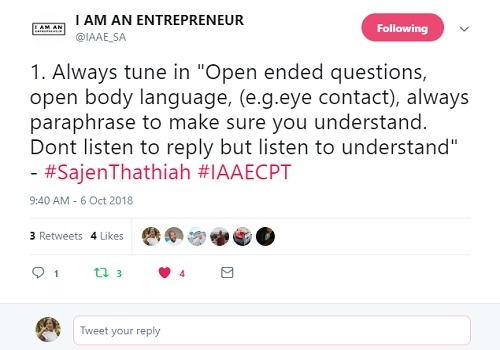
Your presence matters as much as your slides
Body language, tone and how you respond to a difficult question are read as closely as the content itself. Defensiveness in response to a hard question tells an investor more about how you will handle real setbacks than a confident answer ever does.
Rehearse the pitch enough that you can deliver it while genuinely listening to the room, rather than reciting it, since a pitch that cannot flex to a question feels rehearsed in the wrong way.
Answer the question underneath the question
Every investor is really asking one thing: why should they care, specifically, about this. A pitch that stays on the founder’s excitement without ever answering that from the investor’s side has not actually pitched anything.
Know your numbers, but do not lead with them. Numbers support the argument for why this matters; they are not the argument itself.
A no now is not a no forever
A rejected pitch is more often a timing or fit problem than a verdict on the idea. Ask directly what would need to change for the answer to be different, and keep the relationship open rather than treating a no as final.
Investors see a large volume of pitches and remember the founders who took a no professionally far more than the details of the pitch itself.
Practise in front of real audiences before it counts
Pitching competitions, accelerator programmes and structured masterclasses give you a chance to be tested and corrected before the pitch that actually matters. Free and low-cost training of this kind is offered through organisations such as the Small Enterprise Development and Finance Agency.
Our guide to SME financing options covers what happens after a pitch succeeds and you are structuring the actual funding.
Frequently asked questions
What matters most in a pitch beyond the idea itself?
Body language, how you respond under pressure, and whether you clearly answer why the listener should care.
Should a pitch lead with the numbers?
No. Numbers support the argument for why the idea matters; they should not be the opening argument itself.
What does a rejected pitch usually mean?
More often a timing or fit problem than a verdict on the idea. Ask what would need to change for a different answer.
How do I get better at pitching before it matters?
Practise in pitching competitions, accelerator programmes or masterclasses where you can be tested and corrected first.
What happens after a pitch succeeds?
The actual funding gets structured, which involves a different set of decisions than the pitch itself.
Further reading
Originally published in October 2018. Updated September 2026 into guidance on pitching an idea to potential investors effectively.