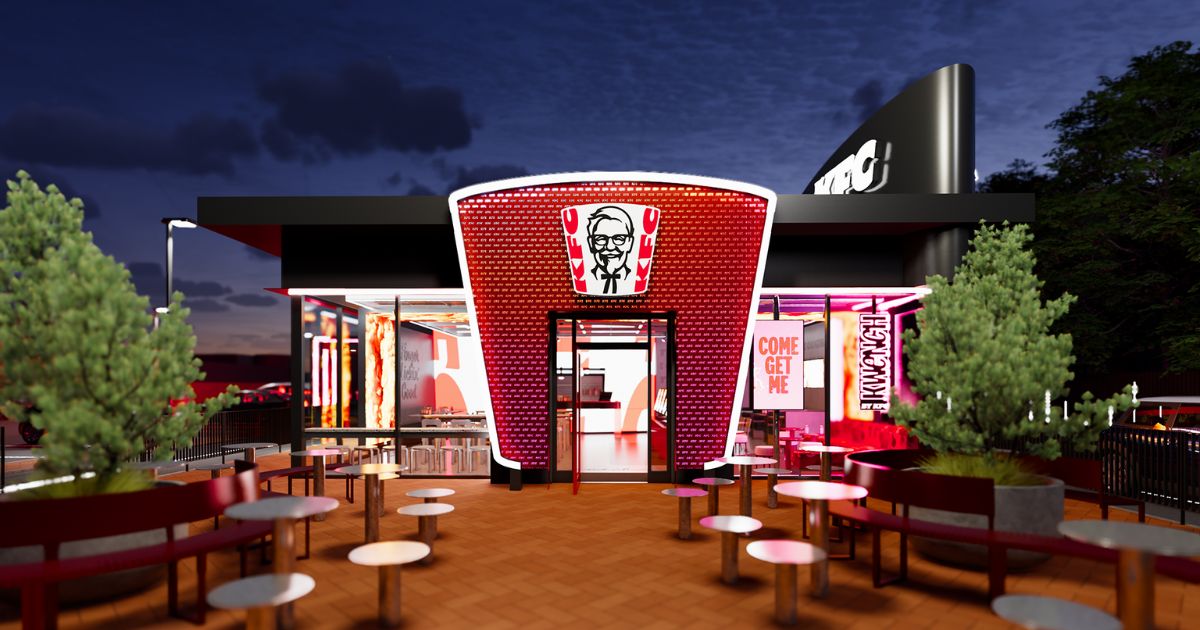
Franchising has moved away from the assumption that every outlet is a large standalone site. Smaller formats, kiosks, container units, delivery-only kitchens and service franchises with no premises at all have lowered entry costs substantially, which changes who can afford to buy one and what they should check.
Four shifts matter to a prospective franchisee.
Smaller formats and lower entry costs
Kiosks, container units and in-store concessions require far less capital than a full standalone outlet, which opens franchising to people previously priced out.
Lower entry cost also means lower turnover, so check the unit economics of that specific format rather than the brand’s flagship sites. A cheaper format is not automatically a better return.
Delivery changes the economics
Where a significant share of orders arrives through delivery platforms, foot traffic matters less and commission matters more. Some brands now operate kitchens with no customer-facing space at all.
Ask specifically how delivery commission is treated: whether it comes off your margin, whether royalties are calculated on gross or net of it, and who controls the platform relationship. This is where a seemingly viable format quietly becomes unviable.
Service franchises without premises
Cleaning, maintenance, tutoring, home care and similar franchises need no retail site, which removes the largest fixed cost. The trade is that the business scales through people rather than location.
That makes recruitment and labour compliance the central skill, with obligations from the first employee set out by the Department of Employment and Labour.
What has not changed
Royalties are charged on turnover rather than profit, supply is specified, and your protections remain: a disclosure document at least fourteen days before signing and a ten business day cooling-off period under the Consumer Protection Act.
Speak to current and former franchisees in the specific format you are considering, and check the franchisor against the Franchise Association of South Africa.
Frequently asked questions
How has franchising changed?
Smaller formats, kiosks, container units, delivery-only kitchens and premises-free service franchises have lowered entry costs considerably.
Is a cheaper format a better deal?
Not automatically. Lower entry cost usually means lower turnover, so check that format’s unit economics rather than the flagship’s.
What should I ask about delivery?
Whether commission comes off your margin, whether royalties are calculated before or after it, and who controls the platform relationship.
What do service franchises require instead of premises?
Recruitment and labour compliance capability, since they scale through people rather than location.
What has not changed?
Royalties on turnover, specified supply, and your disclosure and cooling-off rights under consumer protection law.
Originally published in January 2018. Updated September 2026 to explain how franchising formats have shifted and what that means for buyers.