Most customers in South Africa now discover, research and buy from small businesses using a phone rather than a desktop computer, which makes a mobile-friendly website and a straightforward mobile checkout a basic requirement rather than a nice-to-have. A business whose site is slow or awkward to use on a phone loses customers before they ever reach a product page.
Mobile is no longer a separate channel to think about alongside a website; for most small businesses it has become the primary way customers interact with the brand at all, which changes what actually deserves budget and attention.
A mobile-first website is now the baseline
A site that loads slowly or requires pinching and zooming on a phone drives customers away within seconds, regardless of how good the product or service actually is. Testing a website specifically on a phone, not just checking that it technically works on one, should be a standard part of any small business’s website maintenance.
Mobile payments have become the expected option
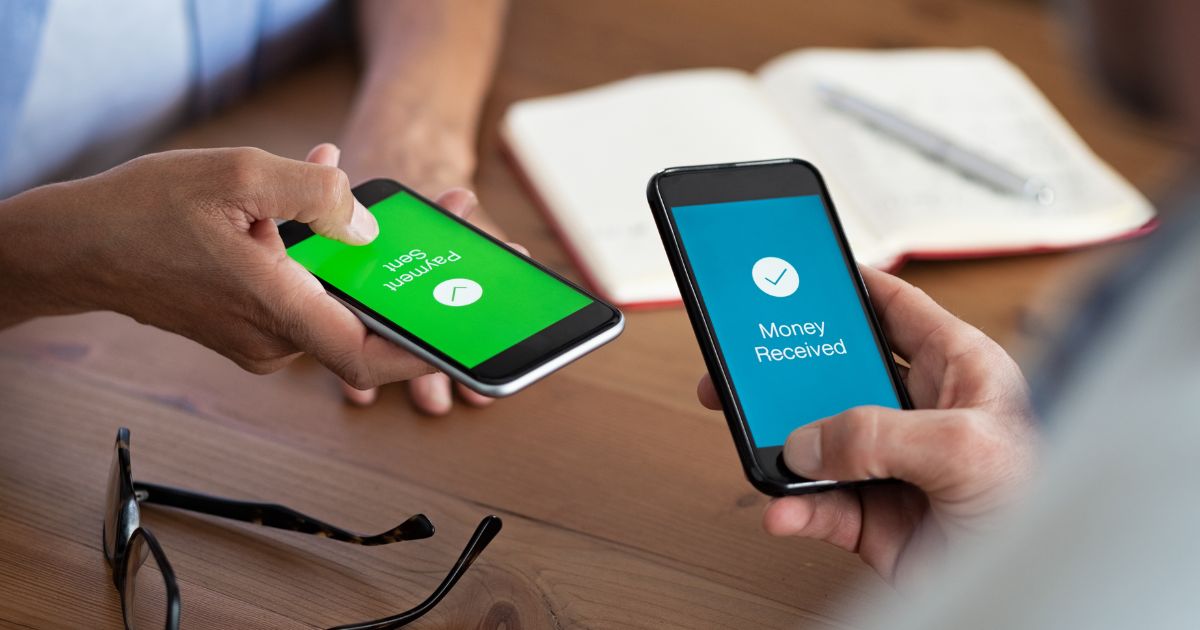
Customers increasingly expect to pay by card tap, scan-to-pay or an in-app wallet rather than cash or a traditional card machine alone. GSMA data continues to show mobile-based payment adoption climbing across African markets, and a small business that has not kept pace with these options is quietly losing sales to competitors that have.
Messaging apps are now a genuine sales channel
WhatsApp and similar messaging platforms have moved well beyond personal use into a primary way customers ask questions, place orders and get support from small businesses, particularly in South Africa. A business that treats WhatsApp as a proper sales channel, with a business account and reasonably fast response times, converts far more of that traffic than one that treats it as an afterthought.
Mobile-first marketing reaches customers where they already are
Advertising and content built and tested specifically for mobile screens performs better than content designed for desktop and simply resized down, since attention spans and browsing habits differ meaningfully between the two. Short-form video and mobile-optimised ad formats in particular continue to outperform repurposed desktop content.
Slow mobile pages cost more than they appear to
A page that takes several seconds too long to load on a mobile connection loses a meaningful share of visitors before it has even finished rendering, and this cost is easy to underestimate because it never shows up as a complaint, only as a customer who simply left. Compressing images, reducing unnecessary scripts and choosing a hosting setup that performs well on mobile networks, not only fast fibre connections, all directly affect how many visitors actually reach a product page or enquiry form rather than abandoning the site first.
Frequently asked questions
Why does mobile matter more than desktop for most small businesses now?
Because the majority of customer traffic for most small businesses now arrives via a phone, which means a poor mobile experience affects more customers than a poor desktop one does.
What is the easiest first step toward becoming more mobile-friendly?
Testing the actual checkout or enquiry process on a phone personally, since many businesses only ever check their site on a desktop and miss friction that mobile customers experience directly.
Is WhatsApp worth setting up as a formal sales channel?
For most South African small businesses, yes. A dedicated WhatsApp Business account with reasonably prompt responses converts meaningfully better than treating enquiries there as an informal side channel.
Do mobile payment options require expensive new hardware?
Not usually. Many mobile payment options now work through affordable card readers or app-based systems that cost a fraction of what dedicated point-of-sale hardware used to require.
Should marketing content be built separately for mobile and desktop?
Ideally yes, or at minimum tested separately, since content designed primarily for desktop and simply resized for mobile screens tends to underperform content built with mobile viewing in mind from the start.
Originally published in January 2017. Updated September 2026 to reflect current mobile payment, messaging and marketing behaviour rather than the specific 2017 predictions.