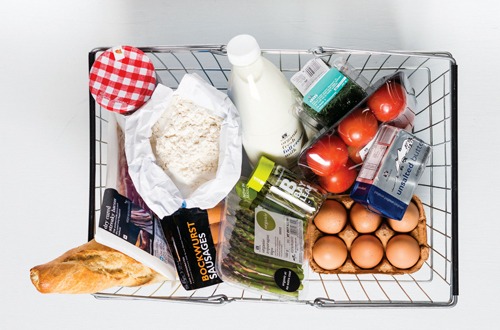
South Africa’s major food retailers operate in one of the most competitive categories in the country, and the strategies that keep them growing, continuous adaptation to changing expectations, convenience, and genuine differentiation between formats, translate directly to businesses of any size. The underlying discipline is not scale, it is refusing to assume that what customers wanted last year is what they want now.
Food retail is a useful case study precisely because margins are thin and customer switching is effortless, which forces a level of responsiveness to changing expectations that businesses in gentler categories can avoid for longer.
Different customer segments want genuinely different things
Major retailers succeed by serving distinct segments with distinct propositions, premium quality, breadth of range, price leadership, rather than attempting to be everything to everyone, and a small business benefits from the same clarity about which specific customer it is built for.
Convenience has become a primary decision factor
Shoppers increasingly choose based on how much time and hassle a purchase costs them, which has driven investment in location, layout, ready-prepared options and delivery, and the same expectation now applies to small businesses in almost every category.
Adapting continuously beats adapting periodically
Retailers that track changing consumer expectations continuously, and adjust range and format in response, stay ahead of those that review strategy occasionally, since consumer behaviour shifts steadily rather than at convenient review intervals.
Knowing the customer requires actual data, not assumption
The large retailers invest heavily in understanding customer behaviour through real purchase data rather than assumption, and while a small business cannot match that scale, it can review its own sales patterns and ask customers directly, which is the same discipline at an achievable scale.
Frequently asked questions
Why is food retail a useful example for small businesses?
Because thin margins and effortless customer switching force a level of responsiveness to changing expectations that businesses in less competitive categories can postpone, making the strategies unusually clear.
Should a business try to serve every customer segment?
Generally not. Major retailers succeed with distinct propositions aimed at distinct segments, and small businesses benefit from similar clarity about which specific customer they are actually built to serve.
How important has convenience become as a decision factor?
Primary in many categories. Shoppers increasingly choose based on time and hassle saved, an expectation that now extends well beyond retail into almost every kind of small business.
Is periodic strategy review enough to keep pace with customer expectations?
Usually not, since consumer behaviour shifts continuously rather than at convenient review intervals, which favours businesses tracking and adjusting steadily over those reviewing occasionally.
Can a small business realistically match large retailers’ customer insight?
Not at the same scale, but the same discipline applies at an achievable level, reviewing its own sales patterns and asking customers directly rather than relying on assumption about what they want.
Further reading
Originally published in November 2017. Updated September 2026 and rewritten in house voice, drawing the original retail analysis into principles small businesses can apply.