You can sell online before building anything. Marketplaces, social platforms and messaging apps put you in front of buyers immediately, and they solve the hardest part of e-commerce, which is not the shop but getting people to it. The trade is commission, competition on the same page as everyone else, and no control over the relationship.
Use them to prove demand, then decide what to own.
Marketplaces: reach in exchange for commission
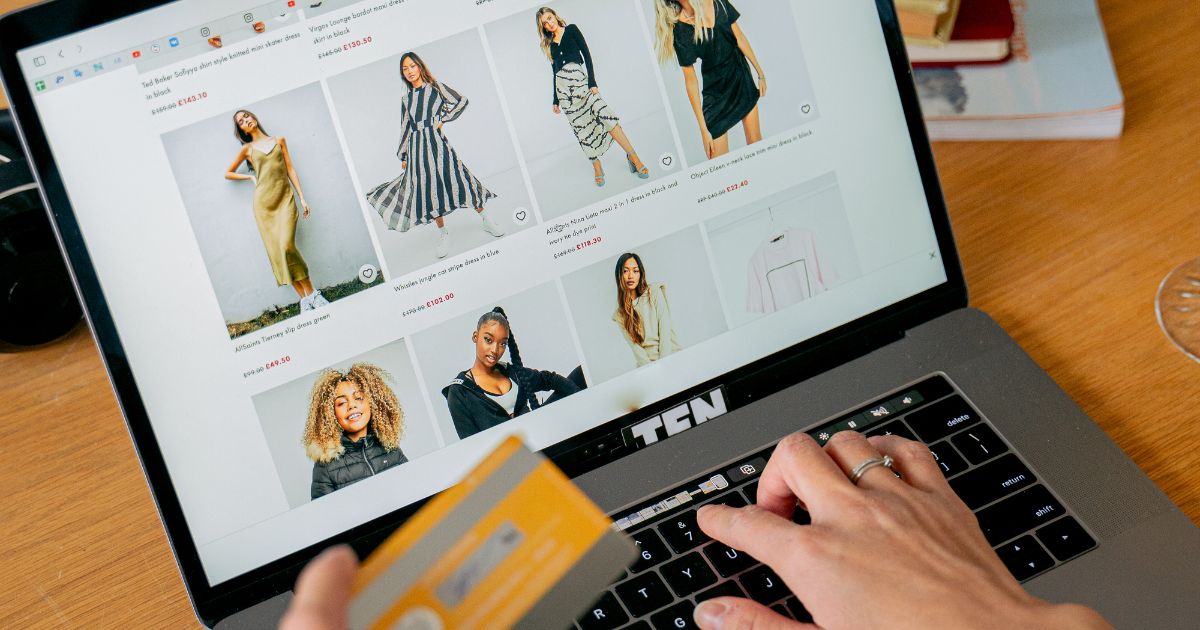
An established marketplace brings buyers already looking to purchase, handles payment, and lends credibility a new site cannot. You pay commission and compete directly against similar products on the same page.
Price with the commission built in from the start rather than discovering it afterwards, and read the terms on returns, delivery obligations and what happens if a buyer disputes.
Social and messaging: relationship over discovery
Selling through social accounts and messaging works well for visual products and for local trade, and costs nothing to start. A business messaging profile with a catalogue handles browsing and ordering without a site.
The caution is payment: confirm funds have actually cleared before releasing goods, since false payment notifications are a common scam. Never act on changed banking details received in a message.
The obligations apply regardless of platform
Selling as a business means accurate descriptions, goods of reasonable quality, and consumer rights on defective goods and electronic transactions. Your terms cannot remove them, and the platform does not carry them for you.
Customer information you collect carries duties under the Information Regulator, and trading as a registered business requires registration with the Companies and Intellectual Property Commission.
Own something eventually
A platform account can be restricted, suspended or changed without notice, and you do not control what buyers see. Building a customer list you own, even just email addresses collected lawfully, is what makes the business resilient.
Use the marketplace phase to learn what sells, at what price, to whom. That evidence is what makes a later investment in your own store a decision rather than a gamble.
Frequently asked questions
Can I sell online without a website?
Yes. Marketplaces, social platforms and messaging apps put you in front of buyers immediately and solve the discovery problem.
What do marketplaces cost?
Commission, plus competing against similar products on the same page. Build the commission into your price from the start.
Is selling through messaging safe?
With care. Confirm payment has cleared before releasing goods, and never act on banking details changed in a message.
Do consumer laws still apply?
Fully. Accurate descriptions, reasonable quality and rights on defective goods apply, and the platform does not carry them for you.
Why own something eventually?
Because a platform account can be restricted or changed without notice. A customer list you own is what makes the business resilient.
Further reading
Originally published in January 2018. Updated September 2026 into guidance on selling online without building a website first.