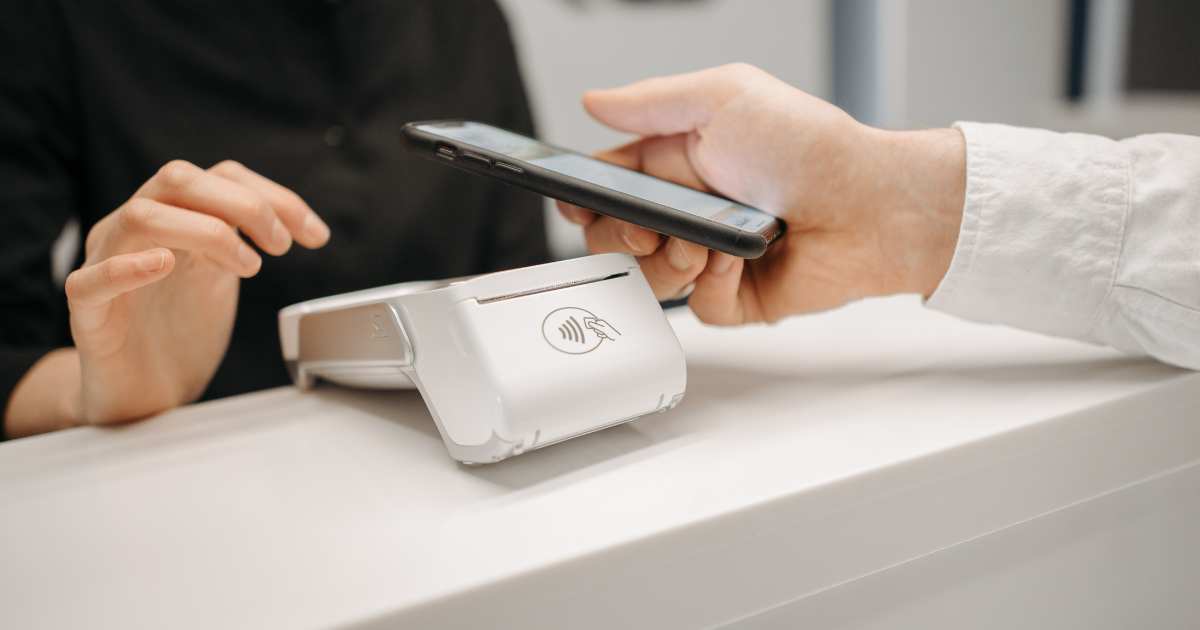
E-commerce and digital payment technology have significantly changed the way in which businesses operate globally. Businesses of all sizes must now have digital payment gateways to ensure customers can shop and securely pay from any part of the world.
According to a report by Stitch, among South Africans who use digital wallets, Google Pay is the most widely used at 37% of respondents, followed by Samsung Pay at 21% and Apple Pay at 18%.
In terms of online shopping adoption, the number of South Africans shopping online has grown substantially since 2023. In 2023, 71% of respondents said they purchased food and groceries online, and 60% purchased clothing and apparel online. By 2025, only 5% of respondents said they do not purchase food and groceries online, and only 3% do not purchase apparel or household goods online.
Small to medium-sized enterprises (SMEs) looking to grow their consumer base must invest in a digital payment gateway. The most critical part is picking a payment gateway that aligns with the needs of your business and provides security comfort for online shoppers.
In this article, we look at payment gateways and how they work, and we outline the best ones for SMEs in South Africa.
Payment Gateways and How They Work
A payment gateway is a tool that lets businesses safely accept payments online. This technology platform acts as an intermediary in electronic financial transactions. It enables in-person and online businesses to accept, process, and manage various payment methods – such as credit cards, debit cards, and digital wallets – securely and efficiently.
How Do Payment Gateways Work
The following is a step-by-step explanation of how payment gateways work during an online payment.
1. Customer Initiates Checkout
The customer selects the products or services they wish to purchase on the business’s site or app and proceeds to the checkout page. Then they enter their payment information such as card details (physical or virtual) or digital wallet credentials.
2. Payment Gateway Encrypts Payment Data
Once the customer has submitted their payment information, the payment gateway encrypts the data using SSL or TLS protocols. This ensures that sensitive information is protected from unauthorised access or theft during transmission.
3. Encrypted Payment Data is Sent to the Business Server
The encrypted payment information provided by the customer is sent to the business’ server, which securely stores and forwards the data to the payment gateway for further processing.
4. Transaction Details are Forwarded to Processor and Acquiring Bank
The payment gateway receives the encrypted transaction data from the business’ server and forwards it to the business’ payment processor and acquiring bank, which is where the business banks.
5. Issuing Bank Verifies Transaction
The acquiring bank routes the transaction data to the customer’s issuing bank or the appropriate payment processor for authorisation. The issuing bank or payment processor verifies the transaction details, including the customer’s account balance and validity of the payment method.
6. Transaction is Approved or Declined
Based on the verification done by the issuing bank or payment processor, the transaction will be approved or declined. This response is sent back through the acquiring bank and payment gateway to the business’ server.
7. Payment Status is Returned to the Customer and Business
The payment gateway sends the transaction status (approved or declined) to the business’ website or app, which displays the appropriate message to the customer. If the transaction is approved, the business will proceed with order fulfilment. If declined, the customer is informed and may be prompted to try again or try an alternative payment method.
An initial transaction authorisation (verifying funds and fraud checks) takes 1 to 2 seconds. However, the actual settlement – when the money moves from the customer’s bank into the merchant’s account – typically takes 1 to 3 business days, depending on the payment method and processor. The customer’s bank will take the money and store it until it’s time to move it to the merchant’s bank account.
Top Payment Gateways for South African Businesses
Below are the top payment gateways for integrating digital payments into your business.
1. PayFast
PayFast is one of the most widely used payment gateways in South Africa. It allows businesses to accept various local payment methods through a single integration. It is often regarded as the fastest way for a business to start taking online payments without heavy technical work.
Features
- Allows businesses to accept credit and debit card payments via VISA and Mastercard.
- Supports instant EFT for customers who prefer bank-based payments.
- Enables SnapScan and Zapper QR payments for mobile users.
- Integrates Mobicred to support buy now pay later (BNPL) purchases.
- Works with WooCommerce, Shopify and custom-built websites.
- Supports both hosted checkout pages and API-based integrations.
2. Yoco
Best known for its card machines, Yoco has a reliable online payment gateway solution. It focuses on simplicity and consistency rather than offering many payment methods.
Features
- Supports VISA and Mastercard online payments.
- Provides a fast onboarding process with minimal setup.
- Offers a mobile-friendly checkout experience.
- Integrates with common e-commerce platforms and custom websites through plugins and APIs.
- Free to join, just 2.95% (ex. VAT) for local transactions and no recurring fees.
3. Ozow
Cape Town-based Ozow is a specialist instant EFT gateway built to reduce failed EFT transactions and speed up confirmation. It’s widely used by businesses whose customers prefer bank-based payments.
Features
- Enables real-time EFT payments directly from South African banks.
- Instant confirmation of payments to the merchant.
- Integrates with e-commerce platforms and custom systems through plugins and APIs.
4. Payflex
Payflex is a BNPL provider that allows customers to pay for purchases in interest-free instalments.
Features
- Allows customers to split payments into two, three or four instalments.
- Merchants receive the full amount upfront. It integrates with major e-commerce platforms.
5. Peach Payments
Peach Payments is a mid-market payment gateway that is ideal for businesses growing beyond entry-level payment providers.
Features
- Supports card payments, instant EFT and BNPL options.
- Offers PayPal support on enterprise plans.
- Integrates with e-commerce platforms and custom systems
The right choice of payment gateway depends on various factors such as customer behaviour, platform type, transaction volume, and integration complexity. Ensure that the provider you choose aligns with what your business needs and fits into your cost projections.