As South African consumers become increasingly conscious of waste, sustainability and the cost of everyday essentials, refillable products are creating new opportunities for small and medium-sized enterprises (SMEs). From household cleaning products and personal care items to food staples and beauty products, refillable business models offer a practical way to meet changing consumer needs while reducing reliance on single-use packaging. For entrepreneurs, this presents an opportunity to build a business that combines environmental responsibility with commercial potential.
However, starting a refillable business involves more than simply offering customers the option to reuse containers. Success depends on choosing the right products, sourcing reliable suppliers, understanding local regulations, setting competitive prices and developing a convenient refill process that encourages repeat purchases. Entrepreneurs must also consider their target market, whether they plan to operate a physical refill shop, sell products online or supply other businesses.
For South African SMEs looking to enter this growing market, careful planning is essential. This article explores the key steps involved in starting a refillable business in South Africa, from identifying a viable niche and securing suppliers to managing operations and building a loyal customer base.
What is a Refilling Business?
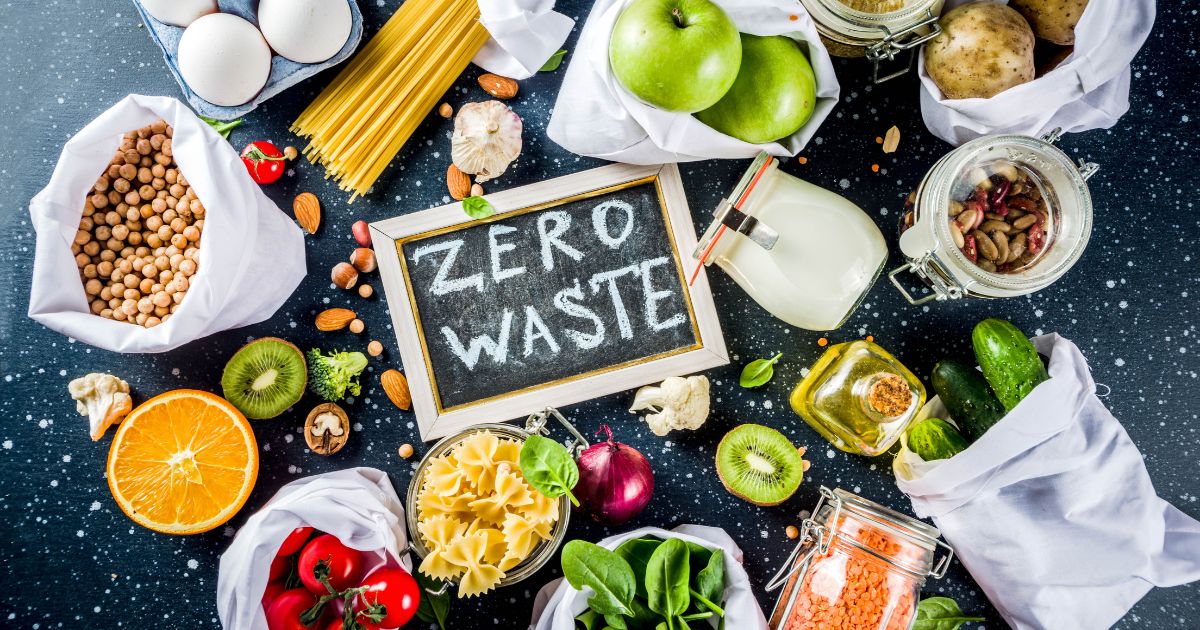
A refilling business (other than gas) is a commercial model where customers bring their own empty, reusable containers to fill (or re-fill) with everyday household goods, personal care items, or pantry staples.
This model effectively reduces packaging waste and promotes a zero-waste lifestyle, while it enables real cost savings for your customers. Refill stores are increasingly popular in areas where consumers are highly conscious of their environmental impact and are looking to save costs while consuming better quality products. These stores focus on providing eco-friendly products that are natural and free from toxic chemicals.
The Waste Challenge in Africa
Although each African country has its own unique challenges, the packaging waste issue is rampant across the continent. Around 85% of municipal solid waste disposal in sub-Saharan Africa is uncontrolled, which means much of the packaging placed on the market is not recovered through formal systems. Single-use plastic packaging, sachets, bottles and multilayer formats are especially difficult to collect and process at scale.
The reusable packaging market in Africa is projected to grow strongly toward 2031, driven by food and beverage, retail and manufacturing demand. This growth aligns with global movement toward EPR schemes that shift responsibility for product end-of-life management back to producers.
Countries like South Africa and Kenya now have mandatory packaging EPR frameworks, while countries such as Egypt, Rwanda, Nigeria, Ethiopia and Ghana are moving toward stricter rules on plastic packaging, single-use items and producer accountability.
What is Extended Producer Responsibility in South Africa?
Extended Producer Responsibility (EPR) in South Africa is a mandatory waste management policy that holds manufacturers, importers, brand owners, and retailers financially and physically accountable for the entire lifecycle of their products, especially after consumers throw them away.
Key Features of South Africa’s EPR Policy
- Legal Framework: Governed by Section 18 of the National Environmental Management: Waste Act (NEMWA), EPR shifted from a voluntary system to a strict legal requirement in May 2021.
- Covered Industries: The system applies to six major sectors: paper and packaging, plastics, electrical and electronic equipment (EEE), lighting, portable batteries, pesticides, and lubricant oils.
- Producer Obligations: Producers must register with the Department of Forestry, Fisheries and the Environment (DFFE), set up or join a Producer Responsibility Organisation (PRO), pay per-tonne EPR fees, meet binding recycling/collection targets, and submit performance reports.
- Waste Picker Integration: PROs and producers are required to help fund and integrate registered informal waste pickers into the formal recycling value chain.
- Penalties for Non-Compliance: Companies that fail to comply face strict enforcement measures such as large fines.
Refill Businesses to Model and Watch
The following businesses all leverage the refill model. They are great examples for entrepreneurs looking to start their own refill business.
Skubu (South Africa)
Skubu is South Africa’s first fully automated, zero-packaging refill grocery store concept. Customers bring their own reusable containers and use IoT-enabled automated vending dispensers to buy everyday staples by weight or volume. The store offers products such as maize meal, rice, sugar, cooking oil, flour, and household cleaning detergents or washing powder.
Research linked to the model indicates that Skubu can eliminate up to 100% of single-use packaging for participating product lines and deliver consumer savings of at least 50-60%. Unilever brands such as Sunlight and Handy Andy have also been made available through refill dispensers, showing that large FMCG producers can participate in community refill without giving up brand presence.
Gcwalisa (South Africa)
Gcwalisa is a South African social enterprise and containerised retail outlet that sells basic grocery staples and household products using a packaging-free, weigh-and-pay model. Like Skubu, customers bring in their own reusable or biodegradable containers to buy exact weights of everyday foods.
Products sold at Gcwalisa are sourced directly from manufacturers to cut out middleman markups, ensuring affordability is present in all the available products. The model minimises single-use plastic waste and addresses food insecurity in low-income communities.
Additionally, Gcwalisa has introduced a membership offering. The membership is R100 monthly and gives members savings and tools to help them save more.
EcoCAN: (Kenya)
EcoCAN is a digital deposit-return scheme (DRS) and anti-counterfeiting platform in Kenya that combines Nordic recycling models with mobile money integration. Consumers use the Ecocan App to scan tamper-proof ECOCAN security codes printed on beverage labels before purchase. An instant message confirms whether the product is genuine or an illicit fake.
Also, users can bring empty packaging (aluminium cans, PET plastics, glass bottles, and cartons) to designated ECO-Stations or intelligent digital reverse vending machines (Pure ECOcans). Returning and authenticating empties unlocks discounts and other rewards.
These are just some examples of refill businesses that not only work for the owner but also for the broader community.
Elements to Remember When Starting a Refill Business
Starting a zero-waste or bulk-goods refill business requires careful planning around product selection, store operations, weighing systems, and compliance. Keep in mind the following:
- Business Model: Choose the business model that works for your target market. This can be anything from a physical store, mobile refill service or a hybrid model. This also means choosing an accessible location.
- Start Small: Start with low-cost products like laundry detergent, dish soap, rice, beans, flour and maize meal.
- Master Operations and Weighing: Customers will bring in their own containers, which means you must weigh the empty container first so that your customers only pay for the product weight.
Like any other business, your zero-waste company must be registered and comply with tax and other regulations. And remember, the purpose of this business model is to address food scarcity and ensure customers can afford the basic foods they require.