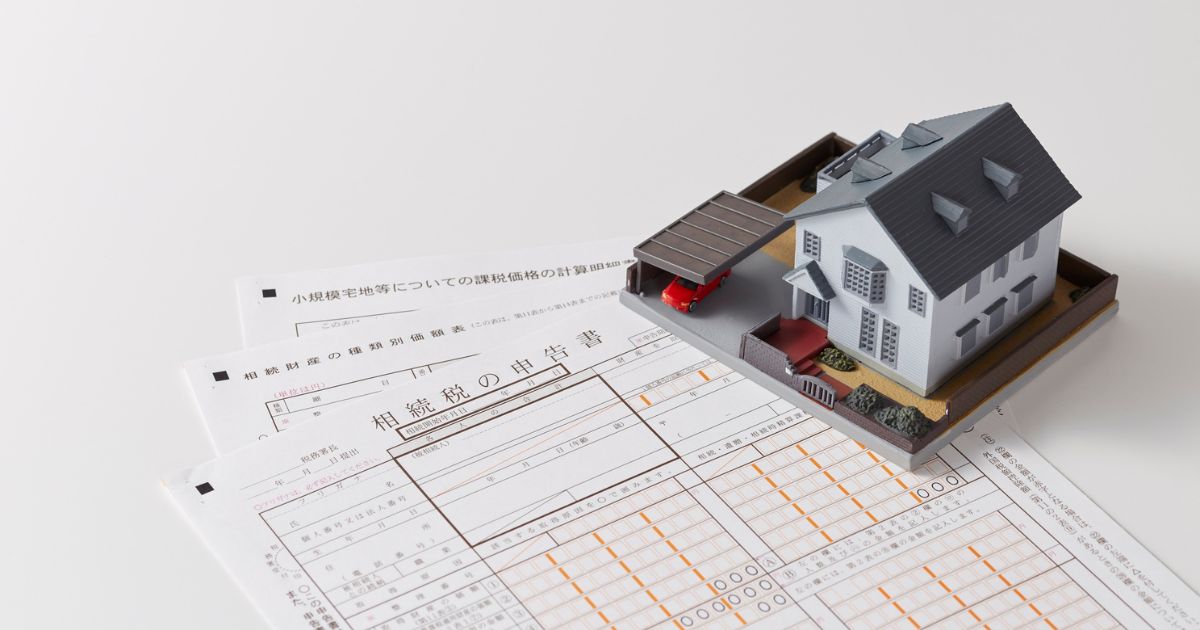
The world of property is enticing. Property managers, developers and property businesses are still turning a profit from real estate. Granted, the barrier to entry is relatively high, but that’s because the business starts with an asset. Unlike other businesses where you can use your skills and hands to start a business, a property business requires investment from which you turn a profit – and that makes it risky.
Seven out of ten businesses fail within the first five years, and even then, survival is tough. This statistic is the tragic fate of many small businesses in South Africa. The added dynamic to this is that investing a large amount into a new business is extremely risky if you can’t guarantee a return on your investment. Property entrepreneurs understand this, and therefore, they need to carefully consider the asset they acquire.
“Property provides a tangible asset that can appreciate over time while generating a consistent stream of rental income to support the business,” says Justine Pillay, Client Coverage Consultant at Tuhf Capital. “Entrepreneurs can use borrowed capital to acquire and control assets worth more than their initial investment, creating opportunities to build equity and expand their portfolios. Over time, as debt is repaid and property values potentially increase, entrepreneurs can grow their wealth and build a sustainable, scalable business.”
Price Is The Starting Point, But Not The Only Point
Pillay warns that this doesn’t mean property is risk-free. It means the risks can be assessed, managed and mitigated, with a tangible asset underpinning the investment. The question then becomes: how do you identify the right asset?
“Buy cheaper, but wisely. The property’s price is the first consideration, and most aspiring property entrepreneurs start here. Affordability must be the first consideration, but more important than ‘how much?’ is ‘why?’.”
She continues to explain why the reasoning behind buying a property is just as vital as the price tag. “The why indicates whether it’s a good opportunity or not. If the price is low because the occupancy rate is low, the building has been hijacked, there are significant maintenance demands, or the cost of refurbishment exceeds the building’s potential to generate income. This should give entrepreneurs pause. These reasons don’t necessarily rule the property out, but they do add a layer of risk complexity that needs to be managed,” she explains.
“Affordability needs to be a two-part question, especially for new entrants to the property market,” Pillay reminds. “The price is the first part; the second is about financial sustainability. A property with long-term potential is resilient enough to produce reliable cash flow in the face of changing market demands and economic or political fluctuations.
Property Entrepreneurs Must Identify Resilience
According to Pillay, a resilient opportunity has some key characteristics. Entrepreneurs should examine the following considerations that point to the building’s potential to create value in the future:
- The demand trends for the type of property they envision
- The quality of the tenant market they’re trying to reach
- The rentals the property can realistically demand
- The operating costs
- The vacancy trends in the area
- The zoning rights
“A property that can produce value from day one is a good investment. One can’t rely on capital growth alone – the property must make financial sense from the beginning,” she emphasises.
Location Really Does Matter, But So Does Context
“The old property adage – location, location, location – is one that aspiring property entrepreneurs often oversimplify,” Pillay admits. “Location is important, but it’s relative to context. More important than ‘where?’ is ‘what does this area need?’.
“A well-located property near amenities, transport, social services and places of work is a must when choosing a property. But what an entrepreneur intends to do with that property must serve the needs of the community living there,” she says. “Building two-bed duplexes in an area where tenants are looking for walk-up bachelor units will make tenanting the building a struggle – no matter how well located it is.”
She further adds that location and demand must be considered congruently when choosing a property. “Understanding population movement and why is just as important as the location itself. Entrepreneurs should ask what kind of tenant is moving in, who is moving out, what businesses are nearby, what type of living space people want, and whether the infrastructure in the area is maintained or improving – and ensure that the project they have in mind makes sense for the people who want to live there.”
Don’t Fall In The Traps of Buying Property
One of the traps that property buyers can easily fall into is buying simply because they fell in love with the building. But this is a trap property entrepreneurs cannot afford to fall into. “Falling in love with a building is one thing, but it’s no guarantee that the building will be able to produce income sustainably. Stress testing the investment before making a commitment can make the difference between success and failure.”
She advises that property entrepreneurs first consider the cost of operating the property as a rental business. Entrepreneurs should use scenario planning that factors in operating expenses, maintenance costs, whether the investment still makes sense if vacancy rates exceed the occupancy threshold needed to service loans, and whether the tenant base can accommodate rising interest rates or increased maintenance costs.
“Lastly, determine whether the property presents an opportunity to expand the value it can create. Examples include adding retail space to diversify the tenant base or installing rooftop solar to mitigate utilities costs. Feasibility studies should take a conservative approach so that the entrepreneur can be sure the property business will remain sustainable in the worst-case scenario.
“While most businesses start with an idea, property businesses start with an asset. Choosing the right one makes for a sustainable business that can create real wealth,” she concludes.
Once property owners, or aspiring property entrepreneurs, get these elements right with one property, they are sure to succeed.