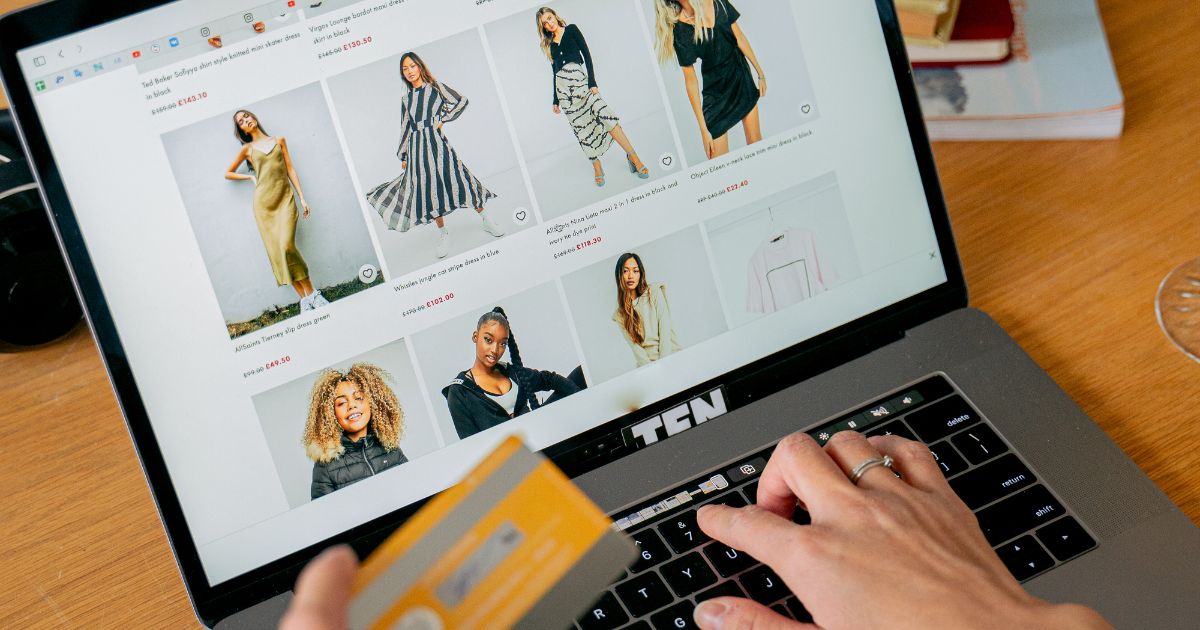
Black Friday weekend spending in South Africa reached between R146 billion and R153 billion in 2025, up 5 to 10 percent on the prior year, with card and online spending doing most of the growing. Big retailers still win on big-ticket items like appliances and electronics, where warranties and trust matter most. Small businesses have a different opening: personal and lifestyle purchases, boutique fashion, artisanal food and gifting, where experience and authenticity are what customers are actually buying.
Cash flow, not stock, is the real constraint
Cash flow remains the biggest obstacle small businesses face going into the weekend. When entrepreneurs do need to borrow to stock up, only around 15 percent go to a bank, and roughly 21 percent turn to high-risk informal lenders instead. Planning your Black Friday cash position weeks ahead, not the week of, avoids being forced into the second option.
Use the tools you already have
You do not need big-retailer budgets to compete. Social media, your existing customer email list, and word of mouth cost nothing beyond your time.
- Ask customers to build wish lists in advance, then release limited-time discounts on specific items to create urgency and spread demand across the day rather than concentrating it in a single rush.
- Stagger deals through the day instead of only competing in the traditional 8am to 11am peak.
- Check your website’s loading speed well before the day. A slow checkout loses sales that never come back.
- Automate what you can, from invoicing to delivery confirmation, so your time goes to customers rather than admin.
Stokvels are a real distribution channel
Around 71 percent of township residents participate in stokvels, and these existing social buying networks are increasingly doubling as informal group-purchasing channels. If your customer base includes stokvel members, a group offer built around their existing structure can outperform a generic discount.
Create an experience, not just a discount
A nursery offering a free gardening demonstration, a hairdresser adding a complimentary treatment with every cut, or a coffee shop pairing a free drink with a premium breakfast all give customers a reason to remember the brand after the discount is gone. That kind of goodwill compounds: customers who feel genuinely valued are far more likely to return and to refer others.
Frequently asked questions
Can small businesses really compete with big retailers on Black Friday?
Not on price for big-ticket items, but yes on personal and lifestyle purchases, where customers are buying trust, authenticity and experience rather than the lowest price alone.
What is the biggest risk for a small business over Black Friday weekend?
Cash flow. Running out of working capital to fulfil a spike in orders is more common than running out of stock, so plan your cash position ahead of the weekend, not during it.
Should a small business discount as heavily as major retailers do?
Not necessarily. Staggered, targeted deals plus an experience customers remember tend to build more repeat business than matching a retailer’s blanket discount.
Are stokvels relevant to a small business’s Black Friday strategy?
Yes, particularly if your customer base already includes stokvel members. A group-purchase offer that fits how they already buy can outperform a standard promotion.
Plan now, not on the day
The businesses that do well over Black Friday weekend are the ones that treat it as a planned campaign weeks in advance, not a reactive scramble on the day itself.
Further reading: The Ultimate Black Friday Checklist for Small Businesses Selling Online | Statistics South Africa for official retail and consumer spending data
Originally published in November 2019. Updated September 2026 to replace outdated spending figures with current Black Friday weekend data and add stokvel-based group buying as a distribution channel. The core preparation advice remains sound.