The fashion and textile sector is the biggest in the world, yet it produces a lot of waste. Every year, millions of tons of clothing end up in landfills, and most of these items are still wearable or recyclable. In South Africa, where fashion and textiles play a major role in both culture and the economy, the move towards a circular textile economy is becoming increasingly important.
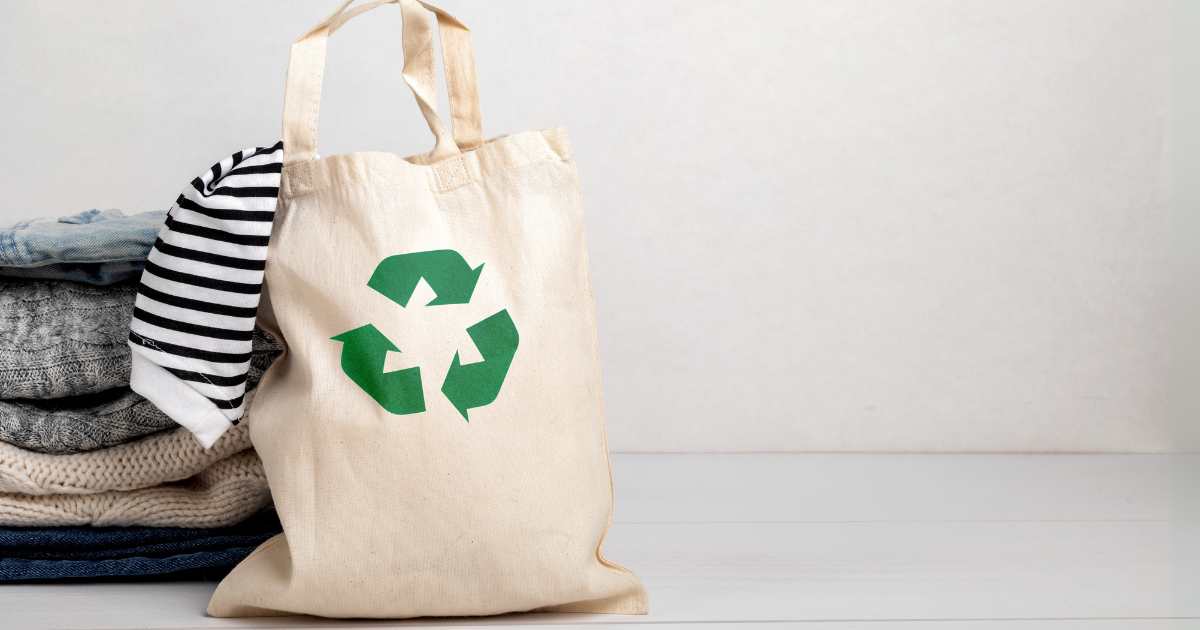
A circular textile economy focuses on keeping clothes and textiles in use for as long as possible. This is achieved through recycling, reusing, repairing, and rethinking how clothing is manufactured and consumed.
The Clothing, Textiles, Footwear, and Leather (CTFL) industry is a big deal in South Africa. The CTFL industry currently makes up around 14% of manufacturing employment in the country. This means the sector facilitates an estimated sixty to eighty thousand jobs. Textiles are also South Africa’s eleventh-largest manufactured goods export.
Why a Circular Textile Economy Matters
A circular economy is one of the themes related to sustainability in the textile industry.
The concept involves finding ways to reuse raw materials, recycle textiles, and reduce environmental impact, while also building firm relationships between factories, businesses, and the environment.
Best Practices of Recycling and Reuse
In South Africa, circularity in textiles is already being embraced by many businesses, organisations, and individuals. The following are some of the best strategies:
Clothing Recycling Programmes
Recycling is one of the key parts of a circular textile economy. Organisations such as Taking Care of Business collect unwanted clothing and either recycle it into new fabrics or sell it at an affordable price to small businesses.
Retailers are starting to introduce take-back programmes. Customers can now drop off old clothes in-store, and these items are then sorted for reuse or recycling. For example, H&M runs a global clothing collection initiative that is also available in South Africa.
Repair and Reuse
Repairing and reusing can extend the lifespan of clothing. Repair shops, online tutorials, and clothing rental services are good solutions to reduce textile waste and create a culture of sustainability. Instead of throwing away that sock with the hole in it, sew it up and get some more life out of it.
Recycling and Up-cycling
Recycling and upcycling are crucial ways of managing textile waste. Recycling is the process of converting old clothes into new fibres or products, and upcycling is the process of transforming used materials into higher-value products. Such practices reduce reliance on natural resources and limit waste. Upcycle old jeans into stylish handbags, or take a page out of Gogo’s playbook and make a quilt from old shirts or dresses.
Responsible Consumption
This is the process of educating consumers about the necessity of choosing sustainable and quality products. Consumers can collaborate with organisations to create awareness and promote second-hand buying behaviours. The latest revival of thrifting is a great example of this.
Clothes Swaps
Clothes swaps offer a great opportunity to extend the life of garments while reducing textile waste. Hosting swap events with family, friends, or with people in the community, whether it’s online or an in-person event, can make a huge difference.
Innovation and Collaboration
New business models such as clothing rental services and resale platforms, along with technology advancements, make textile resource use more efficient. Initiatives like the Clothing and Textile Competitiveness Programme (CTCP) promote collaboration among various industry players to come up with new solutions and exchange best practices in sustainability.
Challenges and Opportunities
Despite the various benefits associated with the shift to a circular economy in the textile industry, there are also issues. The main barriers are technology, educating consumers, and collaborating with the industry. However, the possibility of innovating, creating new jobs, and improving the brand image is a powerful motivation that pushes the business to become sustainable.
Adapting to New Standards and Policies
Extended Producer Responsibility (EPR) in textiles is increasing globally. Businesses in South Africa can start preparing by mapping products, improving data collection, and developing take-back channels. Early adopters will be able to adjust quickly to local regulations when they become stricter, and there will be proof that circular models can be profitable.
South Africa’s shift towards a circular textile economy is opening up opportunities to reduce waste, create jobs, and foster innovation. Through supporting recycling, repairing, reusing, and responsible consuming of textiles and clothing, businesses and consumers can collaborate to create a more sustainable industry.