In South Africa, entrepreneurs continuously have their eyes open for new opportunities to leverage. Some of these can be found in the textile industry, and many new SMEs or startups can benefit from them.
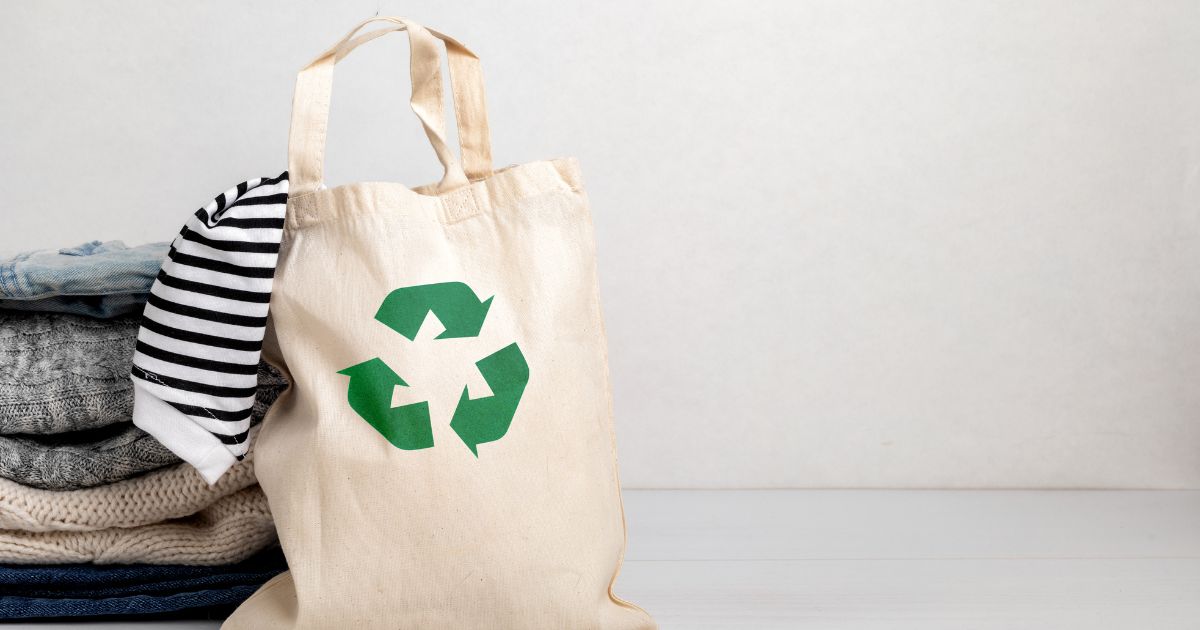
Did you know that textile waste makes up 6% of landfills in Cape Town alone? Old shoes, tattered clothes, blankets, towels, upholstery, curtains, carpets… the list goes on. If it can be made from fabric, you can count it in.
The textile industry has become problematic. It is getting a bad rep for causing pollution and being exploitative. Yet, where this industry is its own downfall, it can also be its saviour. How? Simple: By aiming to build businesses that aim to rectify these issues.
Opportunities for a Better Textile Industry
According to the South African Textile and Clothing Sector Guideline Development report by Green Industry Specialists and the NCPC-SA, there are eight areas in which South African businesses can focus. These are:
- Adopting circular reuse and recycling economic models;
- Shifting towards more local production to create jobs and to build supply chain resilience;
- Shifting towards the use of more natural fibres;
- Reducing the use of hazardous chemicals and improving water management;
- Optimising manufacturing energy efficiency and consumption;
- Fibre-to-fibre recycling;
- Adopting clothing and footwear leasing models; and
- Increasing the second-hand clothing market.
By directing efforts towards these areas, South African textile startups can build sustainable businesses that contribute positively to the economy and environment.
Why These Areas?
The reason why these areas are so important is that they emphasise sustainability.
Recycling fibres, using circular models and encouraging the expansion of the second-hand market mean that fewer materials end up in landfills and products that have reached the end of their one life can be resurrected as another.
Furthermore, recycling and increasing the second-hand clothing market means that more jobs can be created. This can either be as store owners or individuals involved in the recycling journey. A company that is a great example of this is Rewoven, the brand that is turning textile waste into innovative recycled fabric.
Lastly, by emphasising sustainability in the textile industry, the natural fibres are less harmful to the environment and produce fewer hazardous chemicals. Not only does this benefit the end-user, but also workers in the manufacturing process who aren’t exposed to these dangerous materials.
Benefits of These Opportunities
Businesses or new startups that are aiming to innovate can utilise these opportunities to solve industry challenges such as the lack of innovation, volatility in the fluctuation of material costs and cheap imported products.
Circumventing these obstacles means that businesses need to embrace emerging trends and technologies that help the textile industry become more productive, efficient and sustainable.
Exploring Circular Economy
The circular economy is a word that points to the lifecycle of the economy, taking on a series of events that flow back into a starting point. When this is applied to textiles, the following example can be used:
A garment, such as a shirt, is made from natural materials. Next, the shirt is purchased and worn by a buyer. After a few years, the shirt is discarded – either because it doesn’t fit or it is starting to wear out. Instead of ending in a landfill, the shirt is broken down into the natural fibres that it was originally made from. It may be bleached or added to new fibres, but it then takes on a new life as recycled materials from which a new piece of clothing can be made.
The circular economy focuses on extending the overall life of fabric and other textiles. It can be upcycled, like your granny may have turned old shirts into a blanket, or it can be given a new life by donating a piece that is in good condition to charity.
What this means for entrepreneurs is that local businesses can focus on creating jobs and a supply chain that promotes the use of natural fibres and less hazardous chemicals to enable fibre-to-fibre recycling, ultimately. They can turn to innovative business models such as leasing models, especially for luxury wear such as bridal or evening wear, and grow the second-hand market. These practices are not only good for the environment but also build businesses that are sustainable.