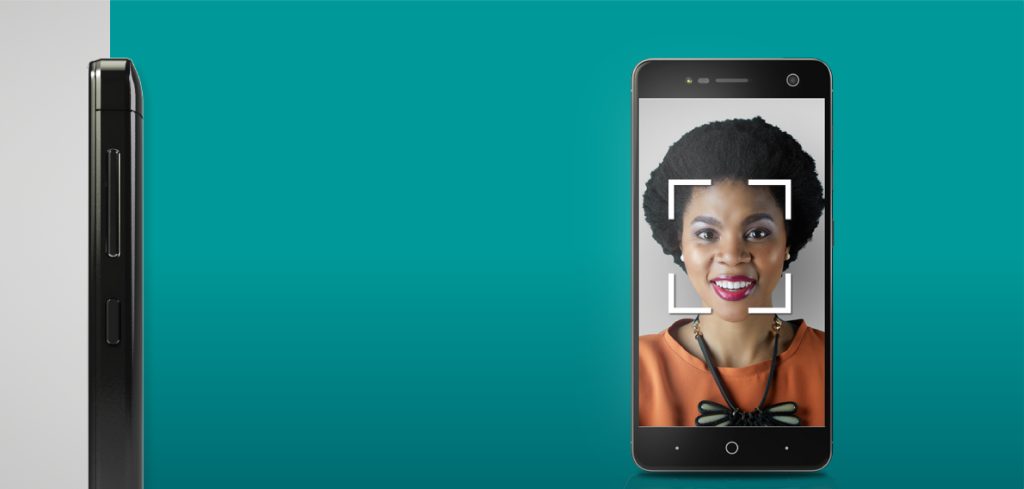
Selfie-based account opening, first introduced by FNB in 2018 as “Switch with a Selfie,” has since become standard practice across South African banking, and understanding how biometric onboarding works helps small business owners choose a bank that genuinely saves them time.
How biometric account opening actually works
Instead of the old process of physical ID document copies, in-branch visits and paper proof of address, biometric onboarding uses a selfie matched against Home Affairs records to verify identity in minutes, with address validation handled digitally rather than through a utility bill scan. What started as an FNB feature has since been adopted, in similar form, across most major South African banks, making paperless business account opening the norm rather than the exception.
Why this matters for SMEs specifically
Time spent on admin is time not spent running a business, and a business owner who can open or switch a bank account in under five minutes, rather than losing a morning to a branch visit, gets back real operating time. The same digital-first approach has extended into QR code payments, virtual cards and integrated fraud monitoring, all of which reduce the manual overhead that used to come with basic business banking.
What to look for when choosing a business bank account today
Beyond the account-opening experience itself, SMEs should compare transaction fees, integration with accounting software, and how quickly a bank actually resolves fraud disputes, since digital onboarding speed says little about ongoing service quality. Comparing a handful of options against actual monthly transaction volumes and typical customer support response times gives a more useful picture than choosing based on marketing alone.
Frequently asked questions
How does selfie-based bank account verification work?
A selfie is matched against Home Affairs identity records, with address details validated digitally, removing the need for physical documents.
Is biometric account opening now standard across South African banks?
Yes, most major banks have adopted similar digital onboarding processes since FNB introduced this approach in 2018.
What should SMEs compare beyond how fast an account opens?
Transaction fees, accounting software integration, and how efficiently the bank resolves fraud or dispute issues.
Has digital onboarding replaced in-branch banking entirely?
No, but it has become the default option for most routine account-opening and switching needs.
Does faster onboarding mean better ongoing banking service?
Not necessarily; onboarding speed and day-to-day service quality are separate things worth comparing independently.
Originally published in May 2018. Updated September 2026.
Financial sector oversight via the South African Reserve Bank.
Further reading
Originally published in May 2018. Updated September 2026 to confirm biometric onboarding has since become standard across South African banking, not just an FNB feature, and add current guidance for comparing business accounts on more than onboarding speed.