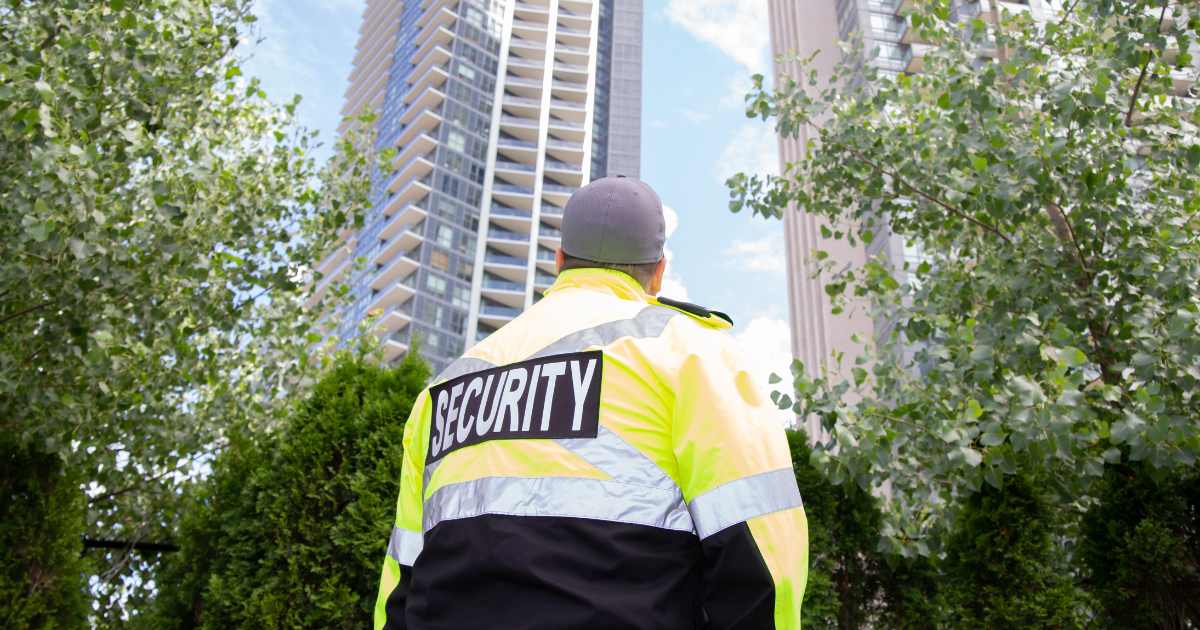
Private security is a genuine growth sector in South Africa, both as a service businesses need to buy and as a business opportunity in its own right, and understanding what separates a properly run, legitimate operator from a risky one matters whether you’re hiring a provider or considering starting one.
These are the fundamentals that matter on either side of this industry.
Proper registration is non-negotiable
Every private security business and individual security officer in South Africa must be registered with the Private Security Industry Regulatory Authority, and using or operating an unregistered provider carries real legal risk for both parties.
Verify a specific provider’s PSIRA registration directly before contracting with them, rather than assuming a professional-looking website or uniform confirms legitimacy.
What to check when hiring a provider
Beyond registration, check a provider’s actual training standards, staff vetting process, and insurance cover, since these determine the real quality of protection delivered, not just the contract price.
References from existing clients in a similar context to your own business give a more honest picture of actual service quality than marketing material alone.
What starting a security business actually requires
Beyond standard company registration, a security business requires PSIRA registration, meeting specific training and vetting standards for staff, and often significant capital for equipment, vehicles and proper insurance.
This is a service business built entirely on trust and reliability; a single serious incident involving unvetted or poorly trained staff can end a security business’s reputation quickly in what is a relationship-driven industry.
Understand the market you’re entering or buying into
Demand for private security reflects genuine, ongoing concerns businesses and individuals have about safety, which is why the sector has grown consistently, but it also means competition is significant, and differentiation on genuine quality and reliability matters more than price alone.
Our guide to protecting your business from scams covers a related but distinct risk area worth understanding alongside physical security.
Frequently asked questions
Must a private security provider be registered?
Yes. Every security business and individual officer must be registered with the Private Security Industry Regulatory Authority.
How can a business verify a security provider is legitimate?
Confirm their PSIRA registration directly, rather than assuming a professional website or uniform is sufficient proof.
What should be checked beyond registration when hiring a provider?
Actual training standards, staff vetting process, insurance cover, and references from clients in a similar context.
What does starting a security business require beyond registration?
PSIRA registration, meeting training and vetting standards for staff, and often significant capital for equipment, vehicles and insurance.
Why does reputation matter so much in this industry?
It’s a trust-based, relationship-driven sector, and a single serious incident involving poorly vetted staff can damage it quickly.
Further reading
Originally published in 2024. Updated September 2026 into guidance on what actually matters when hiring or starting a private security company, replacing a list of individually-named firms.