“All things being equal, people will do business with, and refer business to, those people they know, like, and trust,” as motivational speaker Bob Burg has put it. Your immediate network is usually your first, most trusting customer base, but it needs to be handled carefully to avoid damaging the relationships that got you started.
Your network is your most lucrative early customer base
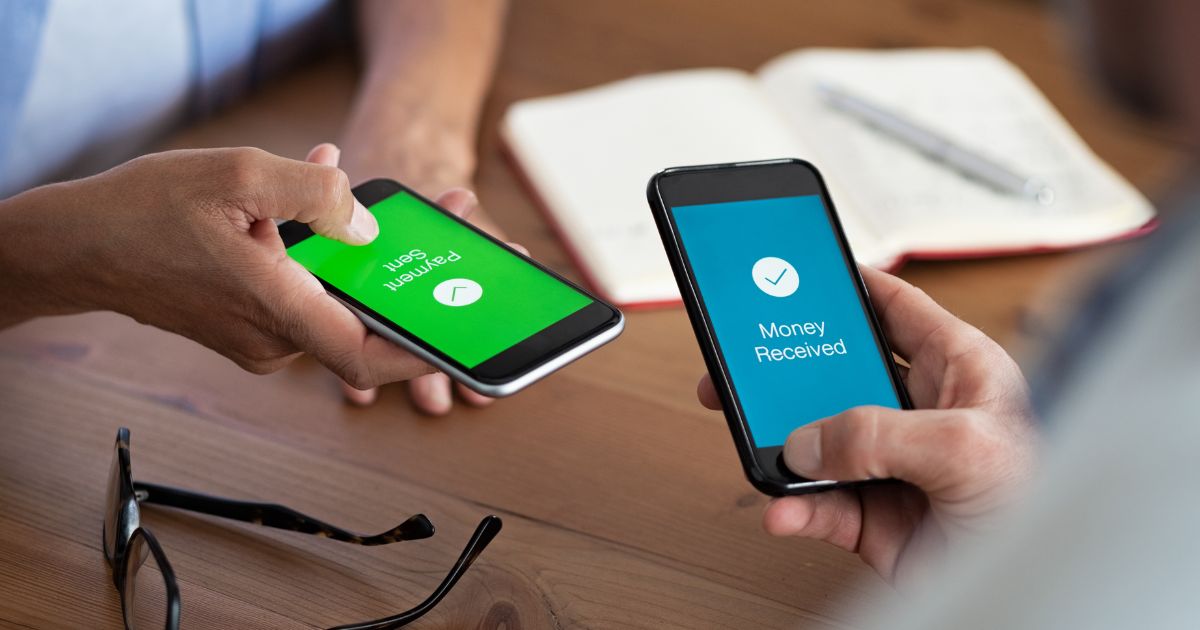
“Your network is your most lucrative source of first customers because they already trust you,” says Lisa Illingworth, CEO and co-founder of FutureProof SA. One of her programme’s first sales came through a friend and fellow teacher, who has remained a loyal customer ever since.
Tread carefully with feedback from people close to you
Feedback from friends and family is inherently skewed, since their relationship with you colours their honesty. Knowing this lets you build a business that can survive beyond these “easy targets” rather than relying on them indefinitely, and it means delivering the same standard of product or service you would give any paying stranger, never a lesser one just because they know you well.
Three ways to convert your network into brand ambassadors
- Invite people from your immediate network to follow your social media pages and join an exclusive “first offer” group.
- Set aside genuine time to invest in their lives and businesses, which builds goodwill that flows back toward yours.
- Share revenue with them for any sales they generate on your behalf, formalising the referral rather than leaving it as an unspoken favour.
Do’s and don’ts of selling to your immediate network
Treat them exactly as you would any other customer, offering your best service without exception. Take time to process the honest feedback they give you and use it to genuinely improve, and be upfront that you are selling a product or service, asking permission before sending further information.
Do not deliver a substandard product just because you know someone well, do not let honest criticism turn into resentment toward the person giving it, and do not spam or abuse the relationship when marketing to them, since that damages the personal relationship along with the business one.
Frequently asked questions
Is it a good idea to rely on friends and family as a business’s first customers?
Yes, provided you recognise their feedback is skewed by the relationship and still deliver the same quality you would to any paying stranger.
How can a business avoid damaging personal relationships when marketing to friends and family?
Ask permission before sending marketing material, never spam the relationship, and be transparent that you are actively selling something rather than assuming an existing friendship implies consent to be marketed to.
Should feedback from friends and family be trusted the same way as feedback from a stranger?
Not entirely. Their existing relationship with you makes their feedback more lenient than a stranger’s would be, so treat it as a useful starting point, not a final verdict on product-market fit.
Your network is a starting point, not a permanent customer base
Friends and family can genuinely launch a business, but the businesses that last are the ones that quickly build a customer base beyond the people who already know and trust the founder personally.
Further reading: People Do Business With People They Like: How to Build Lasting Business Relationships | Department of Trade, Industry and Competition for official small business support information
Originally published in March 2019. Updated September 2026 to tighten this guidance from FutureProof SA’s Lisa Illingworth. The underlying dos and don’ts remain sound.