A hygiene protocol, a defined set of standards and practices for cleanliness and health safety, is genuinely more than good manners for a business handling food, personal care or manufacturing, since a lapse carries real risk of fines, reputational damage or forced closure.
These are the elements of a genuinely effective hygiene protocol.
Understand the genuine standards that apply
The specific hygiene standards required depend on the type of business; a food business, a beauty salon and a small manufacturer each face different, defined requirements worth confirming specifically rather than assuming a generic standard applies.
Our guide to food compliance in South Africa covers the specific requirements for a food business in more depth.
Build genuinely visible, consistent practices
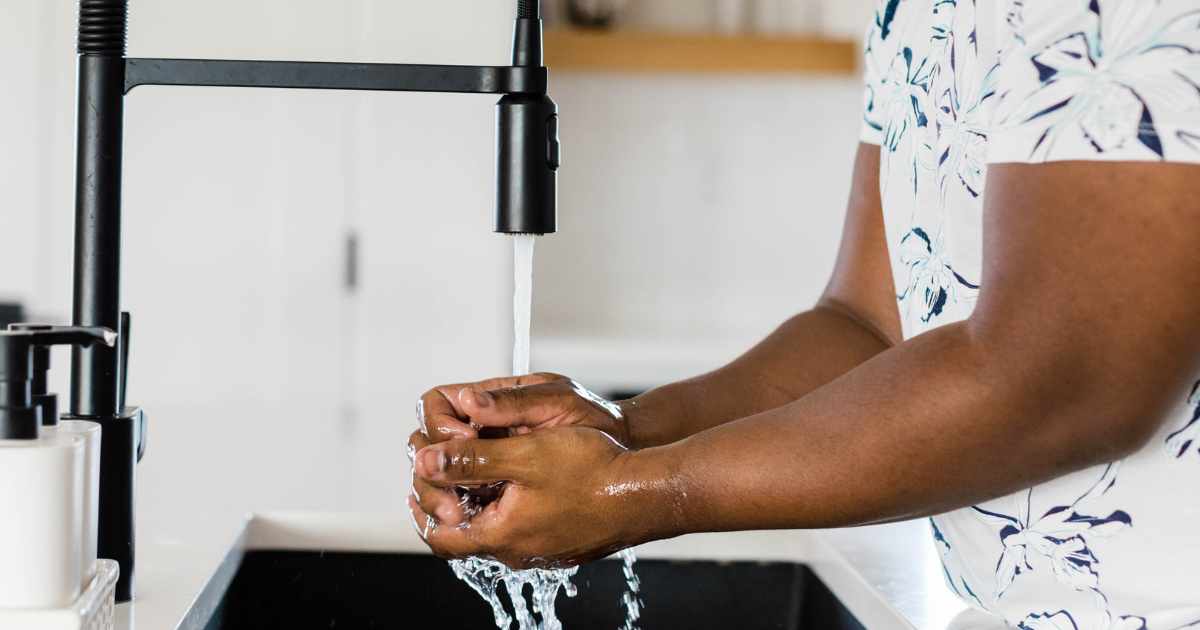
Visible hygiene practices, clean, well-maintained premises and equipment, and staff following clear procedures, genuinely reassure increasingly health-conscious customers, not just satisfy a compliance requirement out of sight.
This visibility matters commercially as much as it matters for compliance, since customers increasingly notice and value it.
Train staff on the protocol genuinely, not just document it
A hygiene protocol only works if staff genuinely understand and consistently follow it; a written policy that isn’t properly trained and reinforced provides little real protection when an inspection or incident occurs.
Regular, brief refreshers matter more for genuine consistency than a single, thorough training session that’s never repeated.
Review and update the protocol as standards genuinely evolve
Hygiene standards and best practices can change over time, and periodically reviewing the protocol against current, genuine requirements keeps the business compliant rather than relying on an outdated understanding.
The Department of Health publishes the current, applicable hygiene and health standards this kind of protocol should be reviewed against.
Frequently asked questions
Is a hygiene protocol only relevant to food businesses?
No, beauty salons, manufacturers and other businesses handling personal care or products also face defined hygiene requirements.
Why does hygiene matter commercially, not just for compliance?
Increasingly health-conscious customers notice and value visible hygiene practices, making it a trust issue as much as a compliance one.
Is documenting a hygiene protocol enough?
No, staff need to be genuinely trained and consistently follow it; an undocumented or untrained policy provides little real protection.
Should a hygiene protocol be reviewed periodically?
Yes, as standards and best practices evolve, keeping the protocol current rather than relying on an outdated understanding.
What is the real risk of a hygiene lapse?
Fines, reputational damage, or forced closure, considerably more costly than maintaining a proper protocol.