A scooter delivery business is one of the more accessible ways to become your own boss in South Africa: no major capital investment required, and demand for reliable delivery has only kept growing as more shopping, meals and groceries move online.
Follow this guide to figure out how to get started properly.
How do I start a scooter delivery business in South Africa?
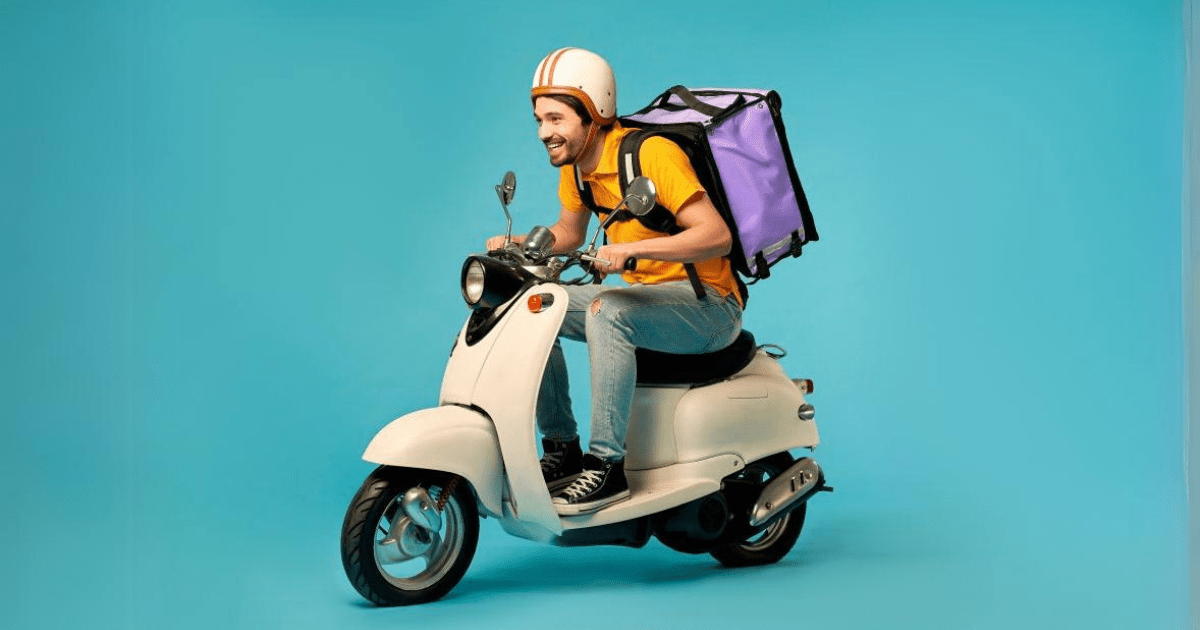
Starting is genuinely simple. The first and most important step is having a reliable vehicle, once you own a scooter, you are most of the way there.
Make sure your scooter is properly equipped for whatever you plan to deliver, which usually means fitting a delivery box. From there, getting clients comes down to one of two routes.
For a small-scale operation, work as a freelance delivery driver for established platforms like Takealot, Uber Eats, Checkers Sixty60 or Mr D, or approach independent retailers and restaurants directly to see if they need a driver. For a larger-scale operation running a full fleet, you will need to secure a formal contract with a retailer or platform.
You will need a valid scooter licence to make deliveries yourself, and if you are running a fleet, budget for extra equipment such as delivery dollies.
What it costs to start a scooter delivery business
Official fees are checked against the regulator (September 2026). Add your own quotes for everything else to get your total. Nothing you type leaves your device.
-
Company registration (CIPC) A private company with a standard Memorandum of Incorporation. CIPC notes this fee can be reduced in some cases. Source: CIPC forms and feesR175 Official fee
-
Company name reservation (CIPC) Optional, but worth doing before you print anything. R50 online; R75 if you apply manually. Source: CIPC forms and feesR50 Official fee
-
SARS income tax number Issued automatically when CIPC registers your company. You still need to register on SARS eFiling. Source: SARSFree Official fee
-
Motorcycle licence for each rider Riders need the right motorcycle licence code. A professional driving permit is only required for goods vehicles over 3,500 kg, so scooter riders do not need one. Your licensing office sets the fee. Source: gov.za
-
Scooters
-
Helmets, delivery boxes and safety gear
-
Insurance
-
Phones and data for riders
Is a delivery business profitable?
Deliveries remain in consistently high demand. Online shopping, meal delivery and grocery delivery have all continued growing, leaving plenty of room for delivery operators to earn a living.
Scooters carry a real cost advantage: they are cheaper to buy and maintain than a car or van, use less fuel, and avoid a lot of traffic congestion, making them well suited to city delivery work specifically. The trade-off is limited cargo space, so you cannot load a full day’s deliveries into a single trip.
Profitability scales fairly directly with fleet size and delivery volume: more scooters and more completed deliveries generally means more revenue.
Delivery industry overview, trends and challenges
Scooter deliveries have grown in popularity, and that growth has brought real competition. Customer expectations have risen alongside it, low or free delivery fees and fast turnaround times are now the baseline expectation rather than a bonus.
Deliveries continue to grow in importance across almost every industry, as more businesses and sectors lean into ecommerce and build out their own delivery solutions.
Scooter delivery business laws and regulations
Compared with a food-service business like a bakery or a shisanyama, the licensing requirements here are genuinely minimal.
You need every driver to hold a valid licence, every vehicle properly registered, and the business itself formally registered. You will also need appropriate insurance cover for the vehicles and the deliveries you are carrying.
Tech tools for a scooter delivery business
Two things matter most: a scooter, and a GPS, a smartphone handles this fine. Beyond that, purpose-built delivery software can genuinely help with route planning, logistics and delivery management as your operation grows, alongside standard accounting, payroll and marketing software where relevant.
Frequently asked questions
How much capital do I need to start a scooter delivery business?
Considerably less than most transport businesses. A single scooter, a delivery box, a valid licence and vehicle registration cover the essential startup requirements.
Should I work for a delivery platform or start my own client base?
Both are valid starting points. Freelancing for platforms like Uber Eats or Mr D gets you earning immediately with minimal setup, while building direct relationships with local retailers and restaurants can offer better long-term margins once you have proven reliability.
What licences does a scooter delivery business need?
A valid scooter licence for every driver, proper vehicle registration, formal business registration, and appropriate insurance. Requirements here are considerably lighter than for a food-service business.
Is a scooter delivery business scalable?
Yes. Profitability tends to scale fairly directly with fleet size and delivery volume, making it a genuinely scalable model as demand for your service grows.
What is the biggest downside of scooter deliveries compared to a car or van?
Limited cargo space. You cannot load a full day’s worth of deliveries into a single trip, which caps how much revenue a single scooter and driver can generate per shift.
Getting on the road
With a reliable scooter, a valid licence, and either a platform contract or a direct retailer relationship, you can get a delivery business off the ground quickly. Done properly, it is a genuinely scalable, enjoyable way to build a business.
Originally published in June 2022. Updated September 2026 to reflect current delivery platforms and licensing requirements. Platform terms change, so confirm current requirements directly with each delivery service.