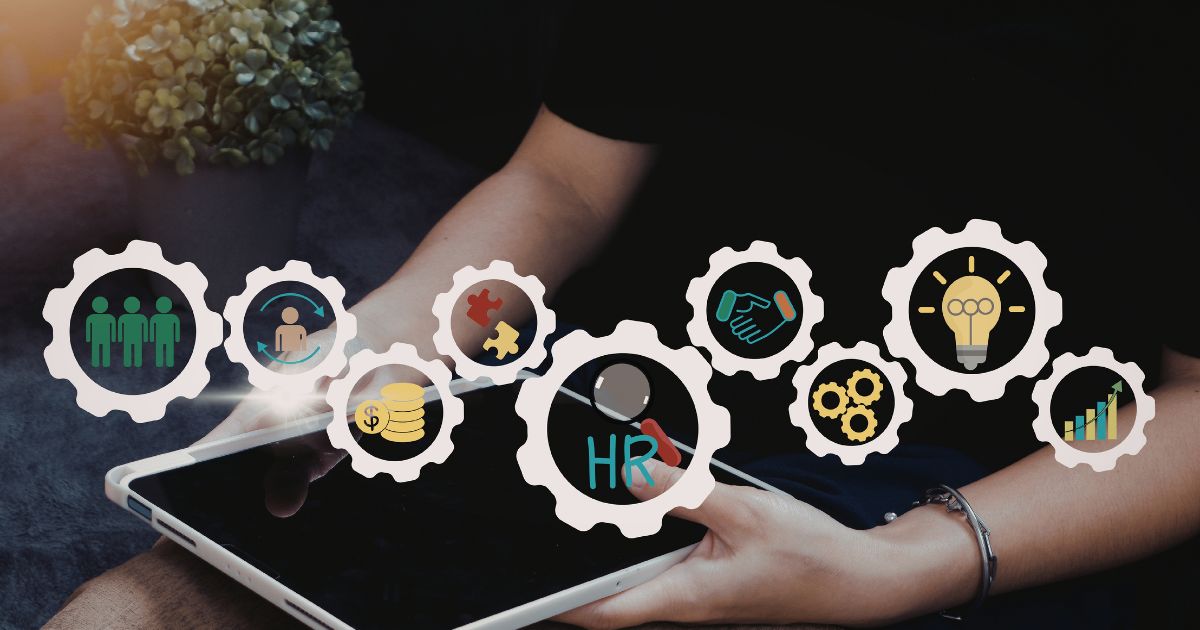
Automation in service businesses is rarely a robot. It is software doing the repetitive middle of a process: capturing a request, checking it against rules, routing it, and producing a record. The tasks that go first are high-volume, rule-based and low-judgement, which is also why the fear of wholesale replacement usually outruns what actually happens.
For a small business the question is narrower and more useful: which of your repeated tasks are rule-based?
Automate the repetitive, keep the judgement
Good candidates are invoicing and payment reminders, appointment booking and confirmation, standard quotations, routine data entry between systems, and first-line answers to frequently asked questions.
Poor candidates are anything requiring judgement, negotiation, or handling an upset customer. Automating those produces the experience everyone complains about and costs you the relationship.
Start from the task that wastes the most time
Track where hours actually go for a fortnight. Most owners find the answer is chasing payment, re-entering the same information into two systems, and answering the same handful of questions.
Each of those has an inexpensive solution, usually inside software you already pay for. Buying a new system before checking that is the common and expensive error.
It changes roles before it removes them
Where routine work is automated, the staff doing it move to exceptions and to the customers who need a person. That is generally a better use of them and it requires training rather than dismissal.
Employment obligations are unchanged by automation. Any restructuring for operational reasons carries consultation requirements set out by the Department of Employment and Labour, and they must be followed before decisions are final.
Responsibility does not automate
An automated process that discriminates, mishandles personal information or gives a customer wrong information remains your responsibility. Data protection duties, overseen by the Information Regulator, apply to automated handling exactly as to manual.
Keep a route to a human. The businesses that damage themselves with automation are the ones that removed the exit, not the ones that added the tool.
Frequently asked questions
What should a small business automate first?
High-volume rule-based tasks: invoicing and reminders, booking and confirmations, standard quotes and routine data transfer between systems.
What should not be automated?
Anything needing judgement, negotiation or handling an upset customer. Automating those costs you the relationship.
How do I find the right candidate?
Track where hours actually go for two weeks. The answer is usually chasing payment, duplicate data entry and repeated questions.
Does automation mean cutting staff?
More often it moves them to exceptions and customers who need a person. Any operational restructuring carries consultation obligations.
Who is responsible if an automated process goes wrong?
You are. Data protection and consumer obligations apply to automated handling exactly as they do to manual work.
Further reading
Originally published in March 2018. Updated September 2026 to explain what automation changes in a service business rather than reporting one pilot.