SME Logo
  • Start
    • Agriculture and Farming
    • Business Compliance
    • Business Ideas
    • Business Planning
    • Entrepreneurship
    • Franchising
    • Insurance
    • Manufacturing
    • Property Development
    • Side Hustle
  • Manage
    • Business Skills
    • Human Resource
    • Legal
    • Operations Management
    • Tax and Accounting
    • Tourism
  • Grow
    • eCommerce
    • Leadership
    • Sales and Marketing
    • Social Media
    • Technology
    • Thought Leaders
  • Funding
    • Mezzanine Funding
    • Invoice Finance
    • Asset Finance
    • Inventory Finance
    • Unsecured Business Loan
    • Purchase Order Funding
    • Bridging Finance
    • Working Capital Loans
  • Solutions
  • Resources
    • eBooks
    • Templates
    • Guides
    • Reports & Surveys
  • Start
    • Agriculture and Farming
    • Business Compliance
    • Business Ideas
    • Business Planning
    • Entrepreneurship
    • Franchising
    • Insurance
    • Manufacturing
    • Property Development
    • Side Hustle
  • Manage
    • Business Skills
    • Human Resource
    • Legal
    • Operations Management
    • Tax and Accounting
    • Tourism
  • Grow
    • eCommerce
    • Leadership
    • Sales and Marketing
    • Social Media
    • Technology
    • Thought Leaders
  • Funding
    • Mezzanine Funding
    • Invoice Finance
    • Asset Finance
    • Inventory Finance
    • Unsecured Business Loan
    • Purchase Order Funding
    • Bridging Finance
    • Working Capital Loans
  • Solutions
  • Resources
    • eBooks
    • Templates
    • Guides
    • Reports & Surveys
Sign in Sign up
SME Logo
SME Logo
  • Start
    • Agriculture and Farming
    • Business Compliance
    • Business Ideas
    • Business Planning
    • Entrepreneurship
    • Franchising
    • Insurance
    • Manufacturing
    • Property Development
    • Side Hustle
  • Manage
    • Business Skills
    • Human Resource
    • Legal
    • Operations Management
    • Tax and Accounting
    • Tourism
  • Grow
    • eCommerce
    • Leadership
    • Sales and Marketing
    • Social Media
    • Technology
    • Thought Leaders
  • Funding
    • Mezzanine Funding
    • Invoice Finance
    • Asset Finance
    • Inventory Finance
    • Unsecured Business Loan
    • Purchase Order Funding
    • Bridging Finance
    • Working Capital Loans
  • Solutions
  • Resources
    • eBooks
    • Templates
    • Guides
    • Reports & Surveys
Close search
  • Start
    • Agriculture and Farming
    • Business Compliance
    • Business Ideas
    • Business Planning
    • Entrepreneurship
    • Franchising
    • Insurance
    • Manufacturing
    • Property Development
    • Side Hustle
  • Manage
    • Business Skills
    • Human Resource
    • Legal
    • Operations Management
    • Tax and Accounting
    • Tourism
  • Grow
    • eCommerce
    • Leadership
    • Sales and Marketing
    • Social Media
    • Technology
    • Thought Leaders
  • Funding
    • Mezzanine Funding
    • Invoice Finance
    • Asset Finance
    • Inventory Finance
    • Unsecured Business Loan
    • Purchase Order Funding
    • Bridging Finance
    • Working Capital Loans
  • Solutions
  • Resources
    • eBooks
    • Templates
    • Guides
    • Reports & Surveys
  • Start
    • Agriculture and Farming
    • Business Compliance
    • Business Ideas
    • Business Planning
    • Entrepreneurship
    • Franchising
    • Insurance
    • Manufacturing
    • Property Development
    • Side Hustle
  • Manage
    • Business Skills
    • Human Resource
    • Legal
    • Operations Management
    • Tax and Accounting
    • Tourism
  • Grow
    • eCommerce
    • Leadership
    • Sales and Marketing
    • Social Media
    • Technology
    • Thought Leaders
  • Funding
    • Mezzanine Funding
    • Invoice Finance
    • Asset Finance
    • Inventory Finance
    • Unsecured Business Loan
    • Purchase Order Funding
    • Bridging Finance
    • Working Capital Loans
  • Solutions
  • Resources
    • eBooks
    • Templates
    • Guides
    • Reports & Surveys
How Business Process Mapping Can Help Your Business

How Business Process Mapping Can Help Your Business

Business process mapping refers to a technique where work is visually documented from beginning to end. This includes the use of maps, charts, graphs, and…


maryna-steyn
Maryna Steyn 24th July 2026
How to Start a Guesthouse in South Africa

How to Start a Guesthouse in South Africa

Property owners have a great asset. It does not lose value like a vehicle or equipment, and although the revenue from a sale is market-dependent,…

maryna-steyn
Maryna Steyn 24th July 2026
What Every Employer Should Know About Probation Periods

What Every Employer Should Know About Probation Periods

Hiring a new employee is an exciting period for businesses. It represents growth, expansion in operations and financial improvements. The process of hiring is quite…


lungile-msomi
Lungile Msomi 23rd July 2026
When it comes to funding, business owners have a great understanding of what is required of them and what capital they are accepting. For most small to medium-sized enterprises (SMEs), the most common type of funding is debt financing or grant funding. Additionally, SMEs are now accessing more alternative financing vehicles such as asset funding and purchase order funding. The one part of funding that some business owners might not yet grasp is funding agreement terms. These terms that are in contracts determine various factors such as how long the funding agreement is for, what the funder expects in return and what it means for the business. Understanding funding agreement terms is critical to protecting your business, securing the right funding and staying on track with your business growth goals. In this article we look at the difference between equity and debt funding and the different terms you are bound to see when looking at funding agreements. Equity vs Debt Funding The main difference between debt and equity funding is in ownership and repayment. With debt funding, the business receives capital that must be repaid, usually with interest. The lender does not get a stake in the company and is not entitled to any future profits or an exit upside. In contrast, equity funding means the funder/lender is an investor or owner of the company. They provide capital to the business without wanting to be paid back but rather want the value of their shares to be maximised over time. Understanding Equity Agreements An equity funding agreement is a legal contract where capital is exchanged for partial ownership in a company. Key provisions dictate company valuation, investor control rights, and liquidation preferences. These terms determine how capital is disbursed, the percentage of ownership, and the conditions under which investors can cash out. SMEs must know that equity funding is not only for tech startups, and learning how to navigate it can provide large-scale growth capital opportunities. Primary Mechanisms and Terms in Equity Funding 1. Valuation and Equity Allocation Pre-Money Valuation: This is the estimated financial value of the business before new investment is injected. Post-Money Valuation: The valuation of the company immediately after the new funding is added. This dictates how much ownership the investor receives and is calculated using this formula: Investment ÷ Post-Money Valuation = Equity Percentage. 2. Primary Funding Instruments Priced Rounds: Standard equity agreements used to issue actual shares of stock based on a mutually agreed-upon valuation. Simple Agreement for Future Equity (SAFE): This is a common early-stage funding structure. Instead of determining a valuation now, investors provide cash with the right to convert that investment into shares during a future priced funding round. Convertible Notes: These are short-term debt instruments that mature into equity, usually upon the occurrence of a specific milestone or a future funding round. 3. Investor Protections and Confidence Liquidation Preference: This dictates who gets paid first and how much in the event of a company sale, bankruptcy, or liquidation. Investors frequently negotiate a 1x to 2x return on their investment before common shareholders are paid. Anti-Dilution Provisions: These are clauses that protect early investors if the company issues future shares at a lower valuation (down round), which would otherwise dilute the value of their holdings. Board Seats and Voting Rights: The terms outlining investor control, stipulating whether they have observer rights, voting board seats, or veto power over major corporate decisions such as mergers or selling the company. Right of First Refusal (ROFR) and Co-Sale: This gives existing investors the option to purchase shares that other founders or shareholders want to sell before they are offered to outside parties. 4. Exits and Dividends Exit Strategy: Clauses that outline how and when investors will cash out. Typically, this dictates the initial public offering (IPO), corporate buyouts or terms that require the founders to buy back shares at a specific multiplier. Drag-Along Rights: A provision that enables majority shareholders to force minority investors to join in on the sale of the business. Tag-Along Rights: This protects minority investors by allowing them to ‘tag along’ and sell their shares on the same terms as the majority stakeholders if a buyer purchases the company. Understanding Debt Agreements Agreements and terms within debt funding set the rules for borrowing money, and include core terms like interest rates, repayment schedules and collateral. Understanding the essential provisions in debt agreements is critical to understanding how these legal contracts protect both lenders and borrowers. Core Terms of Debt Agreements · Principal Amount: This is the exact cash sum lent to the borrower, in this case an SME. · Interest Rates: This outlines the cost of borrowing and is usually set at a fixed or variable rate. · Repayment Schedule: This outlines the timeline for paying back the principal amount and interest. · Maturity Date: The last day when the entire borrowed amount must be paid back. Risk and Protection Terms · Collateral: The assets pledged by the SME to secure the capital they require. · Covenants: The rules the borrower must follow, such as maintaining a specific cash flow level. · Representations and Warranties: Formal statements proving the borrower is legally sound and honest. · Events of Default: These are conditions that can happen if the SME breaks a rule. This allows the lender to demand immediate full repayment. Legal Considerations for SME Funding When seeking funding, you have a responsibility to ensure that the financing process is legally sound. Whether you’re considering applying for a business loan, exploring alternative financing options, or partnering with investors, understanding the legal aspects is crucial to protect both your business and personal assets. Consider the following: 1. Understand the Different Types of Funding As a business owner, you must know what types of funding are at your disposal. Some common forms include: · Traditional loans from banks and other financial institutions. · Equity financing, which involves selling a portion of your business. · Alternative financing options such as peer-to-peer lending, crowdfunding, and venture capital. · Government grants and support provided by the government for SMEs that are locally owned. 2. The Role of Contracts in SME Funding Contracts play an important role in securing funding, no matter what type of funding it is. Legal contracts define the terms of your financing deal, ensuring all parties are on the same page regarding repayment terms, ownership rights, and other obligations. 3. Protecting Your Personal Assets Many small business owners make the mistake of mixing personal and business finances, which can expose them to risk. To avoid this, consider establishing a separate legal entity for your business, such as a private company (Pty Ltd) or a trust. These entities provide limited liability, which means that the business and the owners’ personal assets are legally distinct. Also, ensure your tax compliance is up to date, as non-compliance can affect your ability to qualify for certain financing options. 4. Legal Requirements for Financial Documentation Before applying for financing, small business owners must ensure they have their financial documents in order. Lenders, investors, and government agencies will typically require a range of supporting documents, including: · Balance sheets · Profit and loss statements · Cash flow forecasts · Tax returns · Business plans Without present, accurate and compliant documentation, you will delay or even derail your financing efforts. 5. Due Diligence for Investors Due diligence is a crucial part of equity financing. Potential investors will want to know everything about your business’s legal standing, financial health, and market potential. They’ll likely scrutinise your business’s legal structure, shareholder agreements, intellectual property rights, and any existing contracts or obligations that may affect the business. 6. Know Your Business Valuation If you are considering equity financing, you must know your business’ valuation. The valuation will influence how much equity you’ll need to give up and what share of ownership the investors will receive in exchange for their capital.

Understanding Funding Agreements and Terms

When it comes to funding, business owners have a great understanding of what is required of them and what capital they are accepting. For most…

lungile-msomi
Lungile Msomi 23rd July 2026
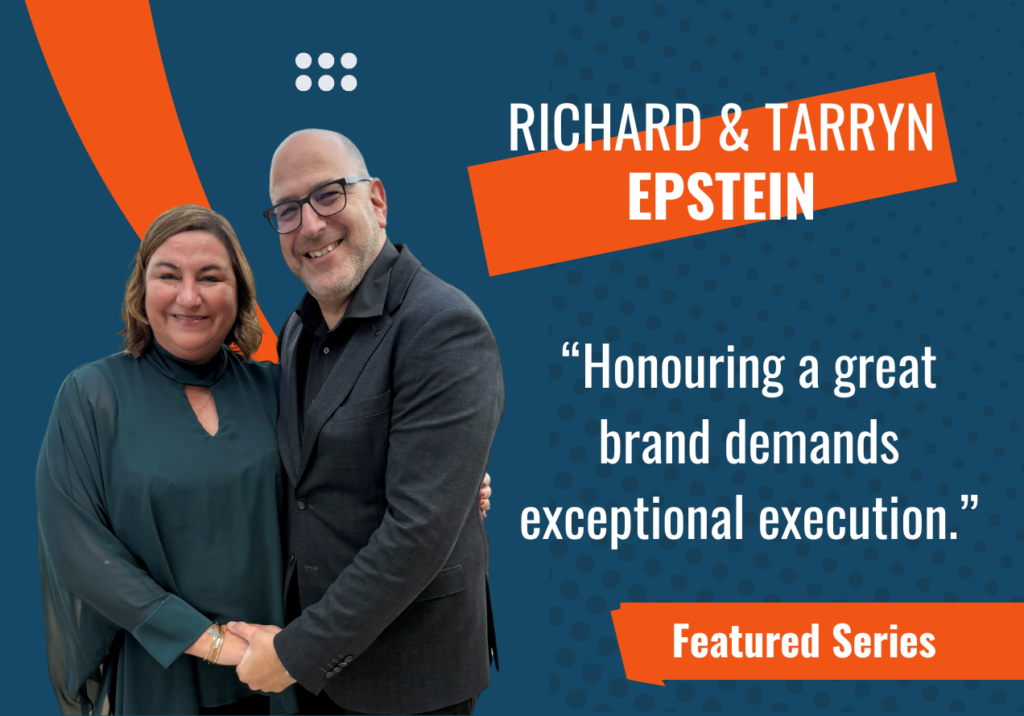
Marketing for Small Tourism Businesses

Marketing for Small Tourism Businesses

South Africa is the ultimate tourist destination, boasting peak destinations such as Cape Town, Johannesburg and Durban. In addition to the cities, the country is…
lungile-msomi
Lungile Msomi 22nd July 2026
Psycho Bunny: Introducing A Global Brand to A Local MarketPsycho Bunny: Introducing A Global Brand to A Local Market

Psycho Bunny: Introducing A Global Brand to A Local Market

Have you ever walked through a store or mall where a product stood out amongst its competitors and thought, ‘Wow, that’s a great brand!’? Chances…

maryna-steyn
Maryna Steyn 22nd July 2026
Supplier Relationship Management for SMEs

Supplier Relationship Management for SMEs

A good relationship with suppliers is one of the critical foundations of a business’ supply chain strategy. For so long, the dynamic between businesses and…
lungile-msomi
Lungile Msomi 21st July 2026
Beyond the Loan: How SEDFA's Business Development Support Turns Ideas Into Bankable Businesses

Beyond the Loan: How SEDFA’s Business Development Support Turns Ideas Into Bankable Businesses

Not every small business needs a loan first. Some need a plan. Others need help getting their paperwork in order, finding their first real customer,…

lungile-msomi
Lungile Msomi 21st July 2026
Youth Entrepreneurs are Learning about Leadership “On the Job”

Youth Entrepreneurs are Learning about Leadership “On the Job”

Youth entrepreneurship is incredibly important to the development and growth of the South African economy. Nearly 63,3% of the population is categorised as youth (15-34…

maryna-steyn
Maryna Steyn 21st July 2026
Inside the 5th South African Veuve Clicquot Bold Woman Awards

Inside the 5th South African Veuve Clicquot Bold Woman Awards

There is a particular kind of energy in a room full of women who have built something from nothing. Women who walk with grace, carrying…


omega-fumba
Omega Fumba 21st July 2026
What Q3 2026 Looks Like for South African SMEs

What Q3 2026 Looks Like for South African SMEs

South African small to medium-sized enterprises (SMEs) entered 2026 prioritising resilience and stabilisation over aggressive expansion. And although the R350 billion funding gap, compliance challenges…

lungile-msomi
Lungile Msomi 20th July 2026
SARS Tax Scams 2026: How SMEs Can Avoid Fraud This Tax Season

SARS Tax Scams 2026: How SMEs Can Avoid Fraud This Tax Season

South Africa’s tax season is in full effect for businesses and individuals. Every year, millions of South Africans log into their SARS eFiling and submit…

lungile-msomi
Lungile Msomi 20th July 2026
Load More
SME Logo

The definitive hub for South African SMEs to connect, learn, and grow.

X-twitter Linkedin Instagram Facebook Tiktok Youtube

Platform

  • Resources Library
  • Funding Portal
  • Sustainability Solutions
  • Shop
  • Podcast

Insights

  • Start
  • Manage
  • Grow
  • Funding
  • Founder Focus

Company

  • About Us
  • Contact
  • Advertise with us
  • Service Providers
  • Events & Webinars

Legal

  • Terms & Conditions
  • Privacy Policy
  • Refunds Policy
  • POPIA

Contacts

  • [email protected]
  • smesouthafrica.co.za

Copyright ©2026 | SME South Africa

Home

Insights

Funding

Resources

Sign Up

Report

There was a problem reporting this post.

Harassment or bullying behavior
Contains mature or sensitive content
Contains misleading or false information
Contains abusive or derogatory content
Contains spam, fake content or potential malware

Block Member?

Please confirm you want to block this member.

You will no longer be able to:

  • See blocked member's posts
  • Mention this member in posts
  • Invite this member to groups
  • Message this member
  • Add this member as a connection

Please note: This action will also remove this member from your connections and send a report to the site admin. Please allow a few minutes for this process to complete.

Report

You have already reported this .
⚲

Find people in the SME South Africa community. Press Enter to search, Esc to close.