Every now and again, a major setback affects businesses that make their own products. This is typically because of a fault in the product, the use of an expired ingredient or even a health hazard at the product manufacturing facility. These situations require businesses to act fast and quickly announce to customers that the product must be returned. This is what’s called a product recall.
South Africa has seen a surge in product recalls in the last few years, covering sectors from food to automotive. Some examples include over 12000 BMWs that were recalled in Oct 2025. The 2025/26 financial year saw 75 vehicle recalls (including Isuzu, Ducati, Lexus, Ford, and Nissan). Other recalls included Top Score Instant Porridge (Sept 2024), peanut butter with high aflatoxin (March 2024), and various pet foods.
Small to medium-sized enterprises (SMEs) operating in any sector should always have a product recall strategy in place. This helps to mitigate risks, avoid hefty penalties and will help protect brand standing with consumers.
In this article, we look at what product recalls are, how the National Consumer Commission (NCC) works and who needs to report to the South African Health Products Regulatory Authority (SAHPRA).
What is a Product Recall?
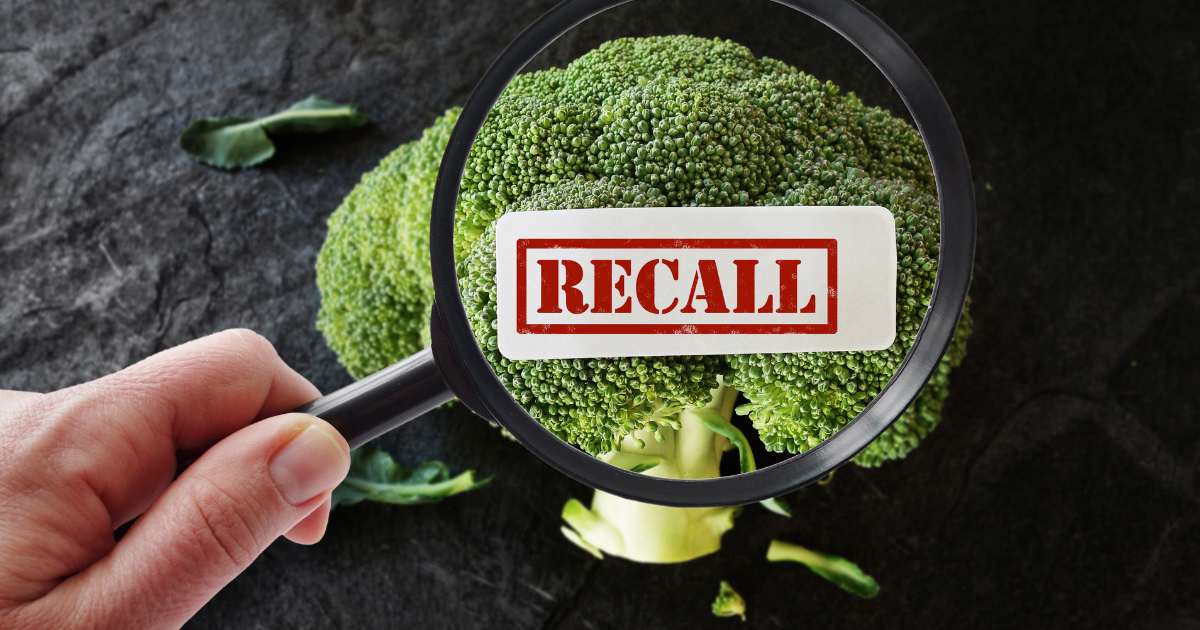
A product recall is a request by a manufacturer, supplier, or government agency to return, exchange, or replace a product – usually a batch or entire production run – after discovering safety hazards, defects, or labelling errors. It is a preventive action taken to protect consumers from potential injury or illness and to prevent costly litigation.
Regulatory Framework for Recalls
In South Africa, recalls are regulated primarily by the Consumer Protection Act. The Act mandates strict safety standards and empowers the NCC to order mandatory recalls for unsafe goods. Key recall aspects under the Act include:
- Supplier obligation (voluntary recall): Suppliers must notify the NCC within two days of starting a voluntary recall.
- Mandatory recall: The NCC can force a recall if a product poses a safety risk.
- Consumer rights: Under the Act, consumers have the right to return unsafe/defective goods and receive a full refund, replacement or repair.
- Prohibited conduct: Failure to adhere to recall guidelines or supplying unsafe goods constitutes non-compliance. Fines can be as high as 10% of the supplier’s annual turnover.
The categories of harm for which a supplier can be held liable include:
- The death or injury to any natural person
- Any illness of any natural person
- Any loss of, or physical damage to any property, irrespective of whether it is moveable or immovable
- Any economic loss that results from harm
Voluntary Product Recall
These are the procedural requirements which a supplier must follow in a voluntary recall.
Conduct a Risk Analysis
According to the guidelines, once a supplier is aware of a possible safety hazard in a product that may potentially cause injury, the supplier must gather and assess all available information about the potential hazard, identify how it happened and conduct a risk analysis.
Stop Production or Modify the Manufacturing Process
A supplier must stop the production of a product that is subject to recall. Alternatively, they can modify the manufacturing process to remove the danger.
Notify the Relevant Authorities/regulator(s) and Relevant Parties
Suppliers are required to notify the NCC and other suppliers in the supply chain, including international suppliers, that the recall has been initiated. According to the Guidelines, the supplier must notify the NCC of the recall, in writing and in terms of a prescribed form, preferably before commencing the recall action, alternatively, within two days after commencing the recall action.
Determine the Course of Action
The guidelines state that a supplier must decide on the most appropriate course of action in order to reduce the risk of harm to consumers. The supplier must consider the nature of the risk and the distribution and lifecycle of the defective product. Also, the supplier is obliged to consult with the NCC about the most appropriate strategy for the recall.
Preparing a Written Recall Strategy Plan
A supplier must submit a recall strategy to the NCC, initiating a recall to assure the NCC that any product safety risk will be effectively mitigated. The recall strategy must contain specific information, including an explanation of the problem, the number of products affected, the hazards associated with the product and the supplier’s assessment of the risk posed by the product.
Communication with Consumers
In addition to the requirement of the submission of the recall strategy, the guidelines require a supplier to compile a communication plan and recall notice for its consumers, which must be “directed towards the particular consumer demographic for the recalled product, using an appropriate communication method”. The recall notice must include a clear description of the product and the defect (including a photograph of the product).
Also, the communication must include a section called “what to do”, explaining the immediate action the consumer is to take, for example, cease use immediately and return the product to the place of purchase for a full refund. It should be clear that the consumer should return the product and not dispose of it. The supplier must also minimise any inconvenience to consumers and encourage consumers to comply with the recall notice. Finally, the communication must include the relevant contact details for the persons responsible for the recall.
Reporting Obligations
Finally, the guidelines provide that “[i]n order to monitor the progress and enable ongoing assessment of the effectiveness of the recall, the [NCC] requires a supplier to provide progress reports”.
The NCC will also develop a reporting schedule with a supplier at the beginning of a recall that appropriately reflects the product risk being addressed.
The information that the NCC will require as part of any progress reports will be dependent on the circumstances of the recall and therefore, will be negotiated on a case-by-case basis. Information that may be required by the NCC in terms of the progress reports includes the number of products returned from within the supply chain and those from consumers.
The Role of the NCC and South African Health Products Regulatory Authority (SAHPRA)
There are two regulatory bodies you need to be aware of when it comes to product recalls: the NCC and SAHPRA. Most businesses will report to the NCC in a product recall, but those who make health products will report to SAHPRA. Let’s look at the core functions of both organisations when it comes to product recalls.
Core Functions of the NCC in Recalls
These are some of the functions of the NCC in product recalls.
- Mandatory recalls: The NCC has the power to order a supplier to recall goods if there are reasonable grounds to believe the products are unsafe, or if a supplier has failed to initiate a voluntary recall on their own.
- Monitoring and supervision: The NCC supervises both voluntary and mandatory recalls to ensure they are effective and efficient.
- Approving strategies: Suppliers are required to submit a comprehensive recall strategy to the NCC, which (once approved) must be implemented to mitigate risks.
- Investigation and enforcement: The NCC investigates suppliers who fail to comply with recall obligations and can refer them to the National Consumer Tribunal for prosecution.
- Communication: The NCC acts as a central hub to alert the public to product recalls to ensure that consumers return products for refunds, repairs, or replacements.
The Role of SAHPRA in Product Recalls
SAHPRA regulates, monitors, and enforces the recall of health products – including medicines, medical devices, and in vitro diagnostics – that are unsafe, substandard, or ineffective. Similar to the NCC, the SAHRPA oversees mandatory and voluntary recalls.
How Does SAHPRA Enforce a Recall?
SAHPRA enforces a recall when a product supplied in South Africa has a problem or potential problem. Key factors include:
- Medicine recalls are usually voluntary and led by the manufacturer who acknowledges the problem and takes corrective action instead of waiting for SAHPRA to enforce its regulatory authority.
- Recall actions can vary based on the type of medical product, and the scale or scope of the problem it poses to public health and safety.
- After assessment of the risk to the public, SAHPRA publishes an alert through our digital platforms (via website and social media channels), including broadcasts through TV and radio interviews.
Classification of Recalls
Recalls are classified into both the Class according to the level of health hazard involved (risk to the patient) and Type, which denotes the depth or extent to which the product should be recalled from the distribution chain.
Class I
Class I is for defective/ dangerous/ potentially life-threatening medicines that predictably or probably could result in serious health risks, adverse events or even death.
Class II
Class II is for medicines that possibly could cause temporary or medically reversible adverse health problems or mistreatment.
Class III
Class III is for medicines that are defective and are unlikely to cause any adverse health reaction, or which do not comply with the requirements of Act 101 of 1965.
This entire article seeks to demonstrate how serious the laws and regulations are around product recalls. SMEs who make their own products or sell products need to be aware of recall procedures to protect consumers and avoid penalties.
It’s always better to follow the voluntary recall guidelines. This shows that you are consistently monitoring products and product manufacturing to ensure consumer safety, and it will help you avoid heavier fines.