Businesses and service providers are always looking for ways to streamline their business operations and create great customer experiences. There’s one key solution to this, which is the use of Point of Service (POS) systems. These systems play an important role in different sectors, including retail, restaurants and healthcare centres. POS systems therefore provide a basic understanding of how businesses can improve their service delivery, financial management, and customer satisfaction.
What is a Point of Service (POS) System?
A POS system is a hardware- and software-integrated system that is used in businesses to handle transactions, sales, and payments. The term “Point of Service” means the location at which a transaction takes place, for instance, a cash desk in a shop, a table in a restaurant, or a counter in a pharmacy. POS systems allow businesses to process payments, track inventory, generate sales reports, and manage customer data, all in real time.
In its simplest form, a POS system is intended to help a business facilitate the sale of a product or service in the most efficient manner. Traditional POS systems use cash registers, which have been replaced by modern advancements in technology. Today’s POS systems are more advanced and efficient in streamlining transactions.
Types of POS Systems
POS systems can be categorised in several ways, including the size of the business, the industry, and the specific needs of the business. The most common types include:
Traditional POS Systems: These are standalone systems that are normally in use by retail stores, restaurants, and small businesses. They are installed on the site and could be expensive initially because of the hardware and software needed.
Mobile POS (mPOS) Systems: Mobile POS systems are developed for businesses that require flexibility. They are usually operated on tablets or smartphones and allow the staff to complete the transactions at any location, including a store, a customer’s home, or a food truck. mPOS are commonly used by small businesses and services-oriented sectors.
Cloud-Based POS Systems: Cloud-based POS systems store data online and offer greater flexibility in terms of accessing and controlling business processes. Such systems are widely used by businesses with different branches and offices and those that require remote access to sales and inventory data.
Benefits of POS Systems
Faster Transactions: The major advantage of using a POS system is the ability to complete transactions at speed. The system saves the time it takes to process a sale by automating tasks like calculating prices, applying discounts, and processing payments.
Improved Accuracy: By automating tasks like calculating totals and applying taxes, POS systems reduce the tendency of human error in most cases. It ensures that customers are charged accurately and businesses maintain correct financial records.
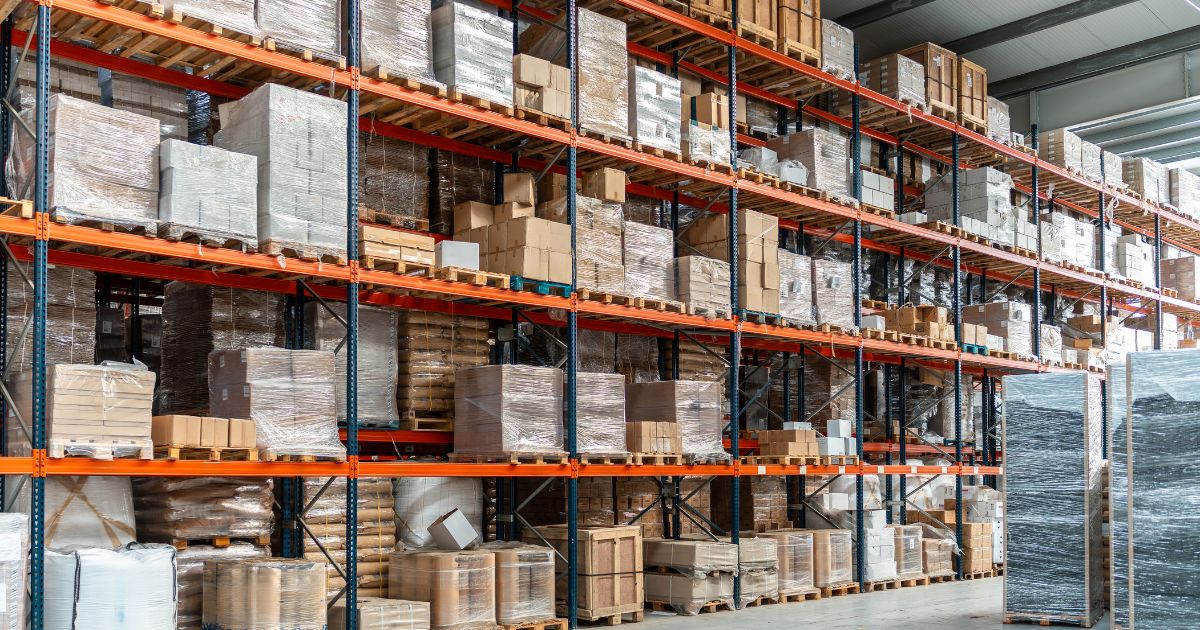
Inventory Management: Some of the POS systems are integrated with inventory management features. They help to monitor the stock in real-time, which will enhance the way businesses handle their inventory. This can assist prevent stock out, cut incidences of stocking, and making the re-ordering process easier.
Sales Reporting and Analytics: POS systems can generate detailed sales reports, and this can help a business to track its performance and make informed decisions. These reports may include things like trends, which product is selling the most, or which time of the day is the busiest. The data can be used by business owners to change the marketing approach.
Customer Relationship Management: Some POS systems include CRM features, allowing businesses to store customer information, track buying habits, and offer tailored promotions. This assists businesses in having better or improved relationships with customers and increasing loyalty.
Enhanced Security: Modern POS systems have been developed with security features in mind. They employ measures such as encryption and others to ensure that they do not lose customers’ payment details to hackers.
Challenges and Considerations
However, businesses should also know some of the challenges that come with POS systems. For instance, the cost of installation of a POS system may be expensive and may not be affordable to small businesses. Also, there may be a need for a business to put in place training for the staff to make them feel at ease working with the new system. Last but not least, technical problems and even system breakdowns can hinder the workflow, so the choice should be made in favour of the most reputable provider with good customer service.
POS systems have become an important tool in any business across all industries. POS systems automatically reduce transactional processes, increase precision, and give a business an understanding of its sales and inventory, enabling optimal operations and satisfying the consumers.