Entrepreneurs make an unusually large emotional investment in their businesses, and that investment can quietly take a toll on mental health. “Any loss or failure is no longer just about time and money. It is about their self-worth,” says neuropsychologist Theo Tsaousides.
When emotional investment goes too far
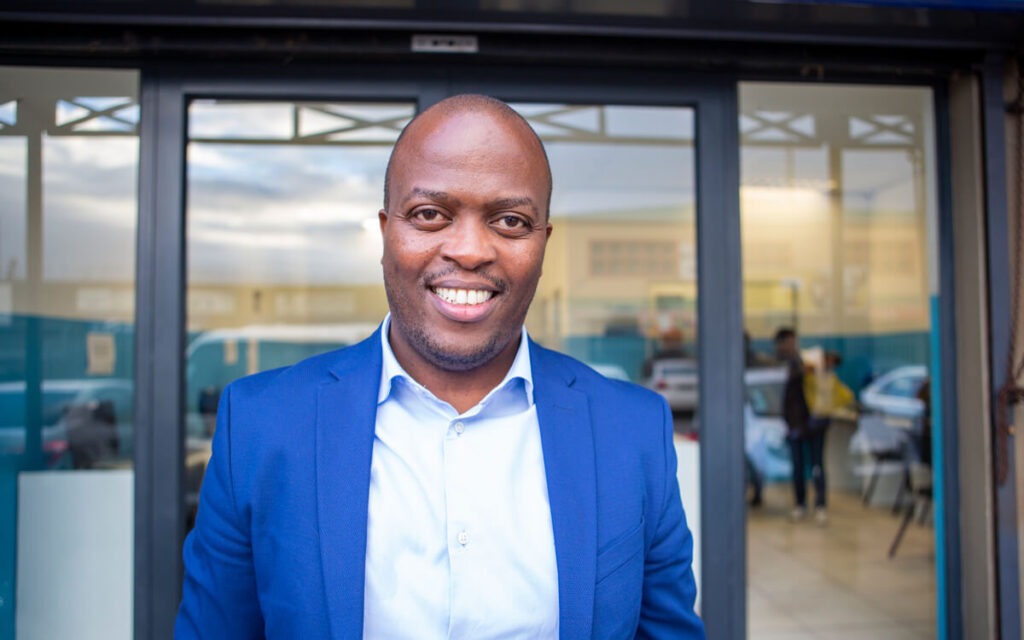
Luvuyo Rani, co-founder of Silulo Ulutho Technologies, an ICT business that grew from selling refurbished computers out of the boot of a car into a national operation with dozens of stores and hundreds of employees, knows how easily emotions can take over in business. “It’s hard not to take things to heart when things go wrong,” he says.
The company is its own entity, not an extension of you
“The company is its own entity with its own eco-system. There must be a clear separation between it and you so that it can grow without you,” says Rani. “The company must be bigger than the individual and speak to the vision.”
Signs you’re too emotionally invested
- You stop listening and start talking over people.
- You are no longer genuinely open-minded to other views.
- Nearly every statement you make starts with “I.”
The benefits of some emotional distance
Distance from your own business allows you to reflect and laugh at yourself, recognise your genuine strengths and shortcomings, and see the business more clearly because you are no longer emotionally entangled with every decision. It also positions the business to be sold or handed over one day, since a business that only exists through its founder has no real succession path. Rani puts it plainly: you can only do around 30% of the work yourself, and the rest is the legacy you leave through others.
What entrepreneurs should focus on instead
The bigger picture and the actual purpose behind the business, accepting that other people will never see things exactly the way you do, and staying genuinely open to criticism rather than treating it as a personal attack.
Frequently asked questions
Is it unhealthy for an entrepreneur to care deeply about their business?
Caring is not the problem. The risk comes when the business becomes so tied to personal identity that ordinary setbacks feel like a threat to self-worth rather than a normal part of running a company.
How can an entrepreneur tell if they’ve become too emotionally invested?
Signs include no longer genuinely listening to others, talking over people, and finding that nearly every statement about the business starts with “I.”
Does creating emotional distance from a business mean caring less about it?
No. It means being able to see the business objectively enough to make sound decisions and eventually build something that can outlast the founder’s direct involvement.
Build something bigger than yourself
The businesses that outlast their founders are the ones built by entrepreneurs willing to separate their own identity from the company early enough for it to genuinely grow beyond them.
Further reading: Social Entrepreneurship in South Africa | Department of Trade, Industry and Competition for official small business support information
Originally published in March 2019. Updated September 2026 to tighten this guidance from Silulo Ulutho Technologies’ Luvuyo Rani. The underlying advice on emotional distance remains sound.