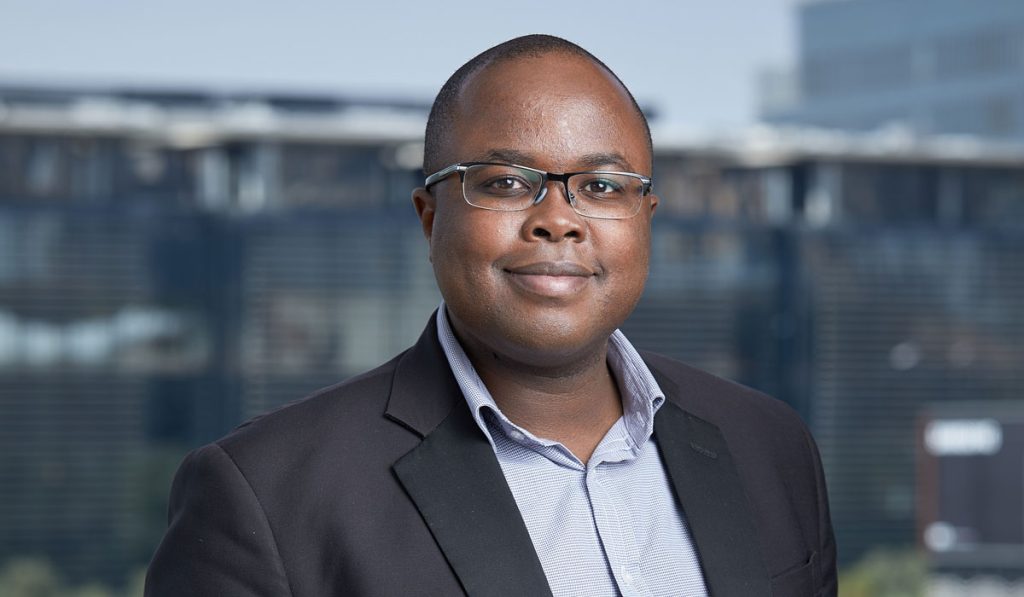
Nkazi Sokhulu co-founded Yalu, a black-owned insurtech backed by the Public Investment Corporation, to disrupt South Africa’s credit life insurance industry. Yalu itself did not survive as an independent business, but Sokhulu’s underlying advice on building for the local market rather than chasing Silicon Valley scale remains just as relevant, and he has since moved on to lead a major established insurer.
What was Yalu trying to do differently in the insurance industry?
Yalu set out to challenge South Africa’s multi-billion-rand insurance industry with an innovative credit life insurance offering, the cover attached to loans and credit agreements. The black-owned insurtech drew real institutional backing, including investment from the Public Investment Corporation, which manages government employees’ pensions, and a spot among eight black-owned startups given entrepreneurial packages through Rand Merchant Investment Holding’s AlphaCode programme. You can read Sokhulu’s own top lessons from co-founding Yalu here.
What was Sokhulu’s actual argument for building locally instead of chasing global scale?
Sokhulu pushed back directly on a pattern he saw across South African tech: “There tends to be a pattern of advising entrepreneurs to only build globally scalable businesses, which can often lead to entrepreneurs abandoning really good business models that can be incredibly successful here in South Africa, in order to chase a Silicon Valley standard that just isn’t always applicable or necessary.” His point wasn’t that ambition is wrong, it’s that a business solving a genuinely South African problem doesn’t need a global thesis to be worth building.
What did Sokhulu see as the biggest barrier in insurtech at the time?
He identified cost-effective access to products and services as one of the industry’s persistent problems, the prohibitive cost of sales that keeps good products from reaching the customers who need them. His answer was distribution across every channel a customer might actually prefer, electronic self-service, call centres, and trusted brokers and advisors, all running on the same underlying technology platform rather than treating each channel as a separate system.
Is Yalu still operating today?
No. Available company records show Yalu is no longer active as an independent business. This doesn’t erase what it demonstrated at the time, that a well-capitalised, black-owned insurtech with institutional backing could genuinely challenge incumbent insurers, but it’s an honest update worth stating plainly rather than presenting the business as ongoing.
What happened to Nkazi Sokhulu after Yalu?
Sokhulu has since been appointed Chief Executive of iWYZE, a major South African direct insurer, bringing the insurtech and large-scale insurance operations experience he built at Yalu and earlier at Old Mutual, where he served as Chief New Ventures Officer, into an established incumbent rather than a startup. His career path, from disrupting incumbents to leading one, is itself a useful data point for founders: a venture’s outcome and a founder’s career are not the same measure of success.
What’s the actual lesson for South African founders here, beyond Yalu’s specific fate?
Sokhulu’s wish for entrepreneurs, expressed at the time, still holds regardless of Yalu’s own outcome: “I don’t believe anyone can do this tough journey alone, so my wish would be for SA entrepreneurs to find two other fellow entrepreneurs that they can lean on for advice and connections.” He was specific that this means people you deliberately build a trusting relationship with over time, not casual industry acquaintances.
Frequently asked questions
Is Yalu still a functioning insurtech company?
No, available records indicate it’s no longer active as an independent business, despite its earlier institutional backing and industry recognition.
What is Nkazi Sokhulu doing now?
He is Chief Executive of iWYZE, a South African direct insurer, having brought his insurtech and insurance-industry experience into an established incumbent.
Was Yalu’s approach to distribution genuinely different from traditional insurers?
Its stated ambition was to serve customers across whichever channel they preferred, self-service, call centre or broker, on one unified technology platform, rather than treating each channel separately.
Does a startup’s eventual closure mean its founder’s advice was wrong?
Not necessarily. A company’s commercial outcome and the quality of a founder’s operating principles (like building for local relevance over global scale) are separate questions worth judging independently.
Originally published in January 2019. Updated September 2026.