Cattle farming here is a land business before it is an animal business. How many animals you can run depends on the grazing capacity of the specific piece of veld you are farming, and that varies enormously between regions. The same herd that a high-rainfall area supports on a modest holding needs several times the land in the drier parts of the country.
Get that number wrong and everything downstream fails: you overstock, the veld degrades, you buy feed you had not budgeted for, and condition drops. This guide covers the legal requirements, the production choices and the costs that decide whether the operation works.
The two ends of the industry
Cow-calf operations breed and raise cattle for sale, focused on producing quality weaners for the market they serve. Income is slower and tied to a breeding cycle.
Feedlots buy in cattle and feed them to market weight, working on the margin between purchase price, feed cost and sale price. Faster turnover, tighter margins, and far more sensitive to the feed price.
Many operations combine the two. Which you choose determines your land requirement, your capital and how quickly money comes back.
What the law requires before you own a single animal
This is the part that gets skipped and it is not optional.
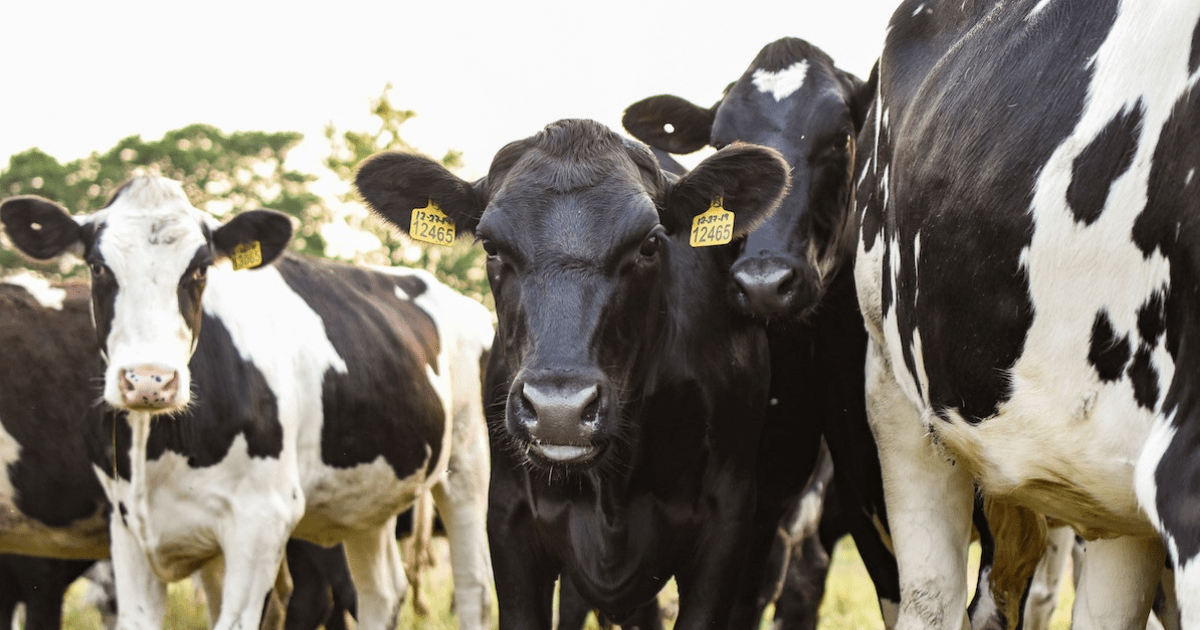
Identification is compulsory. Under the Animal Identification Act 6 of 2002, cattle, sheep, goats and pigs must carry a registered permanent identification mark. You apply for your own unique mark, a brand or tattoo, and register it. Cattle may be tattooed from one month and must be marked by six months of age. Newly acquired animals must be marked within 14 days of the change of ownership.
The regulations are specific: a tattoo may not exceed 20mm at its widest and highest point, a brand must be between 40mm and 100mm, and marks must be applied in prescribed positions and remain legible for the animal’s life.
This is not paperwork for its own sake. Stock theft is one of the largest operating risks in this business, and a registered mark is what allows the police to identify and return recovered animals. Unmarked cattle are effectively untraceable, which is exactly why they are stolen first.
Slaughter is regulated. Under the Meat Safety Act 40 of 2000, animals destined for human consumption must be slaughtered at a registered abattoir. Selling meat slaughtered outside one is illegal, and it closes off every formal market.
Disease control applies to movement. The Animal Diseases Act governs notifiable diseases and restricts movement in and out of controlled areas. Foot-and-mouth disease control zones can halt movement and shut export markets at short notice. Know whether your farm falls inside a control area before you buy it, because it affects what you can do with your animals.
If you mix your own feed to sell, registration under Act 36 of 1947 applies. Mixing for your own herd is different from manufacturing feed as a business.
Grazing capacity is the number that governs everything
Before buying land or animals, establish the grazing capacity of that specific property. It is expressed in hectares per large stock unit and it differs by region, veld type, rainfall and the current condition of the land. Your provincial department of agriculture publishes norms, and an agricultural extension officer or a rangeland consultant can assess the actual property.
Overstocking is the classic beginner error. It looks like efficiency for one season and then the veld deteriorates, carrying capacity falls further, and you are buying feed permanently to hold a herd the land cannot support. Recovering degraded veld takes years.
Plan a rotational grazing system with camps, so paddocks get rest periods. That means fencing and water points in each camp, which is capital, and it is capital that pays back through better veld and better condition.
Water, feed and the running costs
Cattle drink a great deal. An adult animal can take up to 70 litres a day, more in heat, so a reliable water supply in every camp is not negotiable. Confirm the water rights and the actual yield of any borehole before you buy land, not after.
On feed, a common planning figure is roughly 3kg of feed a day per 100kg of body weight. Where the veld does most of the feeding, that cost is low. In a feedlot or through a drought it becomes the dominant expense and it moves with the maize price, which is what makes feedlot margins volatile.
Budget also for veterinary care and a vaccination and parasite-control programme, licks and supplements through the dry season, fencing and water infrastructure maintenance, labour, transport to market, and fuel. First-time farmers routinely budget for the animals and the land and are then caught by the running costs in year one.
Choosing your breed
Match the breed to your environment rather than to reputation. Indigenous and adapted breeds such as Nguni, Afrikaner and Bonsmara are hardy, tick-resistant and suited to harsher conditions. European breeds can deliver higher growth rates where conditions are favourable and feeding is good, and they struggle where it is not.
Decide first whether you are producing beef, dairy or running a dual-purpose herd, then buy the best genetics you can afford. Cheap animals with poor genetics or unknown health status are the most expensive purchase in this industry, and health status matters as much as breeding: buying disease into a clean herd can end an operation.
Where the money comes from
This is capital-intensive: land, infrastructure, animals and a year or more of running costs before meaningful income. Options include the Land Bank, the development finance institutions, and the Department of Agriculture’s own producer support programmes. Broader routes are set out in our guide to government funding.
Two practical points. Funders want to see that you understand the carrying capacity of the specific land and have costed a full production cycle, so a business plan built on generic figures fails at the first question. And they will ask for a market, not just a herd. Knowing who buys your weaners or your slaughter animals, and at what price, is what separates a fundable plan from a hopeful one.
Frequently asked questions
How much land do I need for cattle?
It depends entirely on the grazing capacity of the specific property, which varies by region, veld type and rainfall. Get the land assessed against your provincial norms before buying either the land or the animals.
Is branding cattle compulsory?
Yes. The Animal Identification Act 6 of 2002 requires a registered permanent mark. Cattle must be marked by six months of age, and animals you acquire must be marked within 14 days of the ownership change.
Can I slaughter and sell meat from my own farm?
Not for human consumption outside a registered abattoir. The Meat Safety Act 40 of 2000 requires slaughter at a registered facility.
How much water do cattle need?
An adult animal can drink up to 70 litres a day and more in hot conditions. Verify borehole yield and water rights before committing to a property.
What is the biggest mistake new cattle farmers make?
Overstocking. It degrades the veld, forces permanent supplementary feeding and takes years to reverse. The second is budgeting for land and animals but not for a full year of running costs.
Before you buy anything
Have the grazing capacity of the property assessed, confirm the water, check whether it falls inside a disease control area, and register your identification mark. Those four things cost little and they determine whether the operation is viable. Related reading: our guides on starting an agribusiness, dairy farming and agro-processing business ideas.
This article was updated in September 2026.