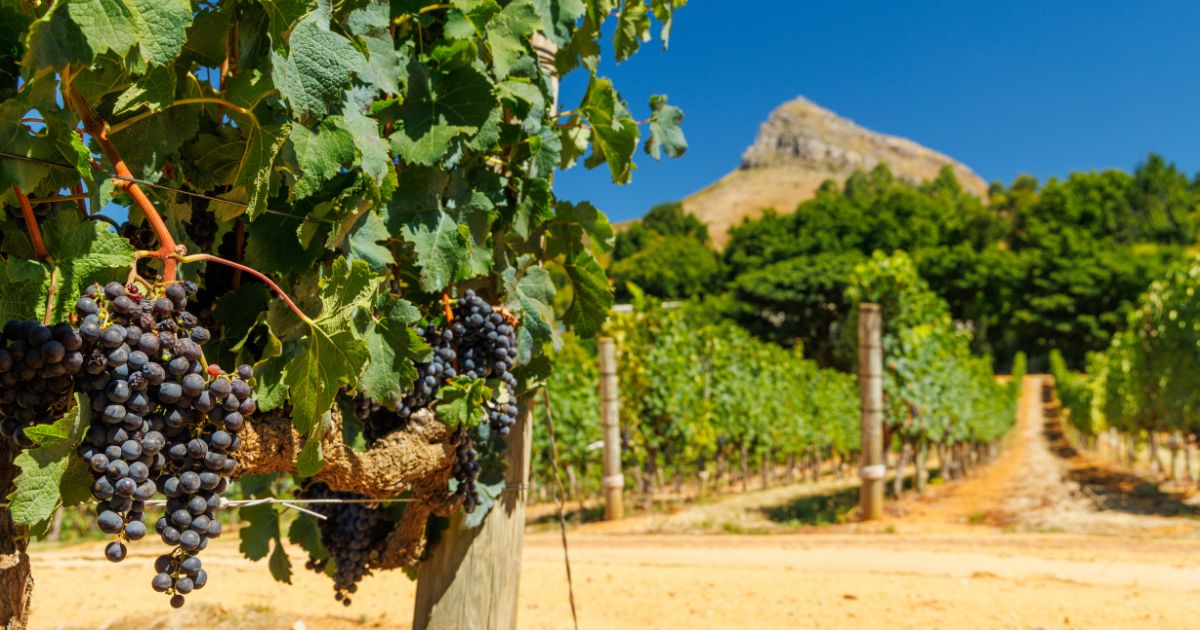
Agriculture remains one of the most capital-intensive sectors a South African entrepreneur can enter, land, equipment, seed and stock all need funding before a single harvest generates income, which is exactly why dedicated agricultural funding routes exist alongside general small business funding. The country’s climate genuinely supports a wide range of production, from livestock and grain to wine, sugar and horticulture, but the barrier to entry is real and funding is usually the deciding factor in whether a viable idea actually gets started.
Here are the funding routes worth checking specifically for agriculture, and what each is aimed at.
Agro-Processing Support Scheme
Aimed at businesses adding value to agricultural products rather than raw production itself, agro-processing and agro-beneficiation. Qualifying sub-sectors include food and beverage processing, including black-owned wine producers, furniture manufacturing, fibre processing, feed production and fertiliser production. The scheme’s goals centre on increased capacity, job creation, modernised equipment, and stronger sector competitiveness.
Co-operative Incentive Scheme
Cooperatives play a genuine role in South African agricultural development, and this scheme is a matching grant aimed specifically at registered cooperatives, helping lower their cost of doing business and building an initial asset base that can then support further applications for funding. It is administered by the Department of Small Business Development, and our guide to cooperatives in South Africa covers the qualifying structure.
The Black Industrialists Scheme
Aimed at black entrepreneurs with a proven business model who need funding to expand rather than to start from concept stage. Agro-processing sits among the scheme’s priority sectors, alongside transport, green industries, biofuels and chemicals, and the underlying goal is growing the global competitiveness of black-owned businesses at a meaningful scale.
IDC Agro-processing and Agriculture Strategic Business Unit
Run by the Industrial Development Corporation, this unit specifically supports new and existing companies that create or expand local manufacturing capacity within agro-processing and the wider agricultural sector. It covers horticulture, including fruit, vegetables, nuts, tea and coffee, field crop processing, animal protein across red meat, white meat and aquaculture, poultry, and forestry. The stated goals are job creation, export growth and stronger sector competitiveness.
Isivande Women’s Fund
Administered through the Small Enterprise Finance Agency, this fund provides debt financing specifically to women-owned enterprises, requiring at least 50% plus one share ownership or management by women, and the business must generally have been operating for a defined minimum period. Funding starts from a modest base and scales considerably depending on the specific deal, confirm the current ceiling directly with SEFA rather than an older figure, and it is aimed at both startup capital and business expansion.
What all of these have in common
Every route above requires a genuine business plan showing how the funding will be used and what it is expected to achieve, current company registration, and a clear demonstration that the applicant fits the scheme’s specific eligibility criteria, whether that is cooperative status, black ownership, women’s ownership, or a specific sub-sector focus. None of them fund a vague idea; all of them fund a specific plan with a credible path to using the capital productively.
Since agricultural funding schemes shift names and terms with policy reviews more often than general small business funding does, confirm the current status and criteria directly with the administering body, DSBD, DTIC, IDC or SEFA, before building an application around details that may have moved on since you last checked.
Beyond funding: getting the fundamentals right
Funding solves the capital barrier, not the knowledge or planning barrier. Our guide on how to start an agribusiness in South Africa covers the operational and compliance groundwork that needs to sit alongside whichever funding route you pursue.
Frequently asked questions
What is the biggest barrier to starting an agricultural business?
Startup capital, typically. Land, equipment, seed and livestock all require funding before the business generates any income, which is why sector-specific funding routes exist alongside general small business funding.
Do I need to be a registered cooperative to access agricultural funding?
Not for every route. The Co-operative Incentive Scheme specifically targets cooperatives, but the Agro-Processing Support Scheme, the Black Industrialists Scheme and the IDC’s agricultural unit have their own separate eligibility criteria.
Is there specific funding for women in agriculture?
Yes, through the Isivande Women’s Fund, administered by SEFA, aimed at businesses at least 50% plus one share owned or managed by women.
Do these funding routes support startups or only established businesses?
Both, depending on the scheme. Some, like the Isivande Women’s Fund, explicitly fund startup capital as well as expansion. The Black Industrialists Scheme leans more toward businesses with a proven model seeking to expand.
How often do agricultural funding schemes change?
More frequently than general small business funding, given policy reviews and shifting sector priorities. Always confirm current criteria directly with the administering body before applying.
Before you apply
Identify which scheme actually matches your specific business type, cooperative, women-owned, black-owned, or a defined sub-sector, and confirm the current terms directly with the relevant body rather than an older source. Then pair the funding search with genuine operational planning, since capital without a solid plan behind it rarely produces the outcome a funder, or you, are looking for.
This article was updated in September 2026.