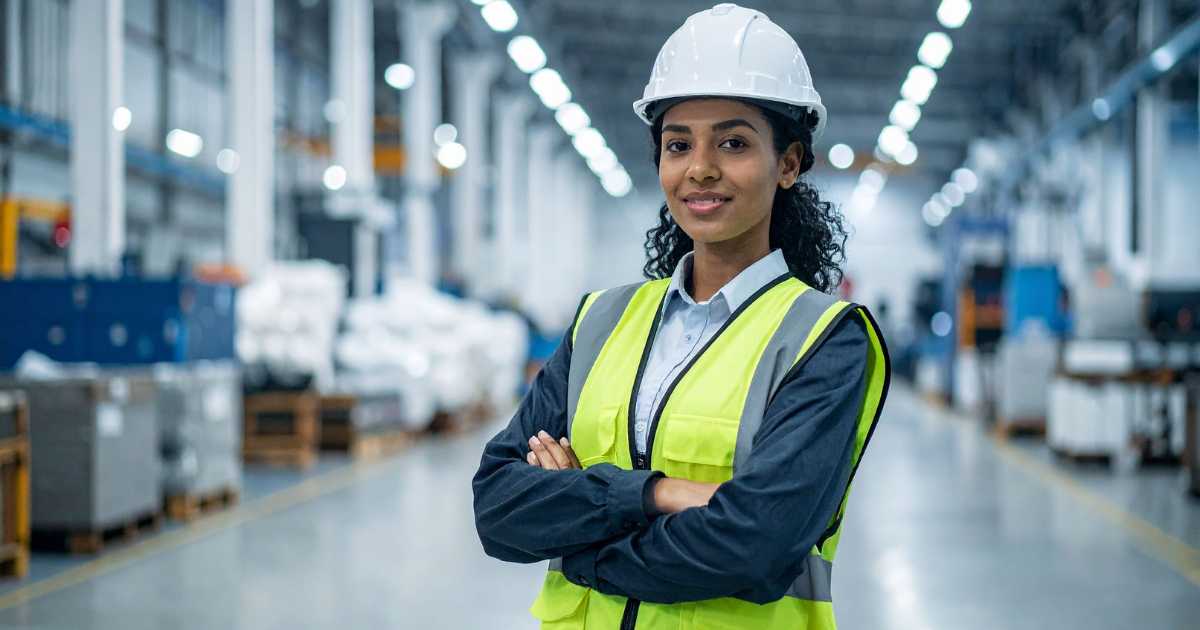
Green manufacturing in South Africa has nothing to do with manufacturing recyclable products. Instead, it takes a closer look at the manufacturing process and finds ways to make it greener. The motivation behind it is to reduce manufacturing’s negative impact on the environment to promote a better future.
Green manufacturing focuses on including sustainable practices across the entire process, so it may create less harm to the environment and the people it serves. Because manufacturing spreads across many industries, it has an immense impact on society at large.
According to Stats SA, this sector also provides approximately 1,7 million jobs for millions of South Africans. Yet, due to larger legislative changes and global drivers championing a more sustainable approach, this sector needs to adopt green manufacturing practices
As the second largest sector in South Africa, every SME should understand what green manufacturing means.
Green Manufacturing Practices
There are a few simple ways that manufacturers can incorporate green practices into their production lines.
1. Renewable Energy
Renewable energy sources are any kind of energy from a renewable source that can help factories reduce their reliance on fossil fuels. These include wind, solar, geothermal or hydropower.
2. Reduce Energy Use
There are small ways that manufacturers can save on their energy bill, adding to their green practices. Simple changes such as efficient equipment that is regularly serviced to ensure it works optimally, to adding LED lighting in workspaces.
3. Reduce Waste
By reducing waste, manufacturers optimise their production processes, saving costs as well as the environment. Depending on the various products that are manufactured, you might be able to recycle some of the unused materials. You might also find alternative applications for such products, which prevents further wastage.
4. Use Sustainable Materials
Materials that are sustainable and environmentally friendly are easier to recycle at a later stage. It also makes the end-product (depending on the process) easy to recycle. Remember to not only focus on the product you are manufacturing, but also consider the sustainability of the packaging. It defeats the purpose to make an environmentally friendly product and package it in unfriendly packaging. That would be like making paper straws that are packaged in plastic.
How Does Sustainable Manufacturing Benefit a Business?
Aside from sounding like a “Greeny”, business owners might wonder if the application is truly worth it. After all, being sustainable sounds noble, but does it pay the bills?
The truth is that it actually has multiple benefits.
Save Money
Less wastage and a lower electricity bill all mean one thing: less money down the drain. Optimising both energy use and material use through recycling or reducing waste allows business owners to spend less on expenses, leaving more money to save or utilise where it matters.
Improved Reputation
Most manufacturing businesses are referred to by consumers as factories, and “factories” evokes the picture of a large industrial building and billowing smoke. Yet, many manufacturing businesses don’t. It’s therefore up to the business owner to improve their reputation and highlight how vital it is for the business to have low carbon emissions, practice sustainable methods and consider its impact on the environment.
Respond to Customer Demands
Consumers are increasingly more aware of the critical state of the environment. Not only does this mean pollution, but it also extends to overusing natural resources.
Green manufacturing responds to customers’ demand for more sustainable practices and environmentally friendly products.
Create a Safer Work Environment
A safer work environment for natural resources also means that employees work in a safer environment. Reducing waste my physically reduce waste that can be a hazard in a busy work space, but using clean energy may also mean less emissions that the employees are exposed to.
It’s important to note that although it isn’t mentioned in this article, there may be opportunities to receive tax breaks due to sustainability in your business. You can consider speaking to a tax expert who will be able to advise you on your eligibility.
By taking inspiration from the many benefits mentioned above, SMEs across South Africa’s manufacturing space. There are many small ways that these entrepreneurs can include green practices in their manufacturing processes to ultimately help them become streamlined and profitable factories.