In short: A poverty mindset isn’t about how much money you actually have, it’s about accepting your current resources as the ceiling of what’s possible. Two South African entrepreneurs who grew up in the same Cape Town township, Langa, describe how they broke out of that thinking, and why wanting to build wealth isn’t something founders should apologise for.
Why do so many entrepreneurs feel guilty about wanting to be rich?
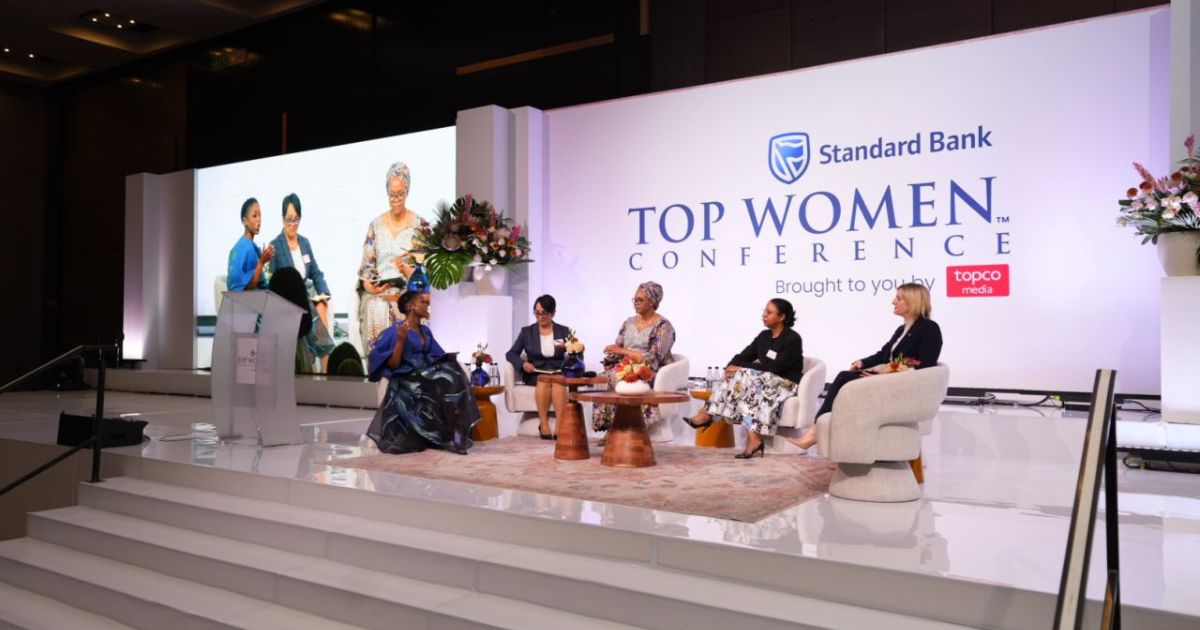
“We have been brought up to believe that wanting to be rich is somehow evil, negative, makes you greedy. We need to change that mindset,” says Polo Leteka, founder of IDF Managers, a firm that has invested exclusively in women entrepreneurs since 2008. Her point is direct: starting a business is fundamentally about making money, and founders shouldn’t apologise for that. The caveat matters just as much as the permission: “I am not proposing of course that we start to make money by any means and at any cost. You need to be mindful of the environment that you operate in, you need to be mindful of the society that you operate in.”
What actually is a “poverty mindset”?
Siya Beyile, stylist, writer and entrepreneur known as The Threaded Man, and Siyabonga Sibaca, a DJ known as DJ Eugenics, both grew up in Langa, a township in Cape Town, and unpacked this on Beyile’s radio show, The Threaded Exchange, on Cliff Central. Their working definition: a poverty mindset means accepting whatever resources you currently have as simply how things are supposed to be, rather than a starting point to build from. Crucially, both are clear this isn’t about your actual income or postcode. Sibaca puts it plainly: “You don’t necessarily have to be in the hood to be close-minded. You could be in Constantia and I could be in Langa. You could be poverty-minded living in Constantia, and I’m not, living in Langa, because I’m thinking further instead of just thinking I only have these resources.”
How do you actually break out of that thinking?
Beyile credits his mother directly for showing him a different way of thinking, despite having no wealthy family to draw on: “I see my circumstances, but there must be more, there must be more than this for me, there must be an easier life for me, there must be a way for me to lead a different life.” The shift isn’t about denying your actual circumstances, it’s about refusing to let your current resources define the ceiling of what you plan for.
Does having a wealth-building mindset make you close-minded to other people?
The opposite, according to Sibaca and Beyile’s framing. A poverty mindset is the closed one, it accepts limits without questioning them. Thinking beyond your current circumstances, as Beyile describes it, requires more openness, not less, because it means constantly looking for options that aren’t immediately obvious from where you’re currently standing.
Is it wrong for a founder to openly want financial success?
Leteka’s answer is unambiguous: no, and pretending otherwise is dishonest about what starting a business is actually for. The distinction she draws isn’t between wanting money and not wanting it, it’s between pursuing it responsibly, mindful of your environment and the people in it, versus pursuing it at any cost. That distinction, not the ambition itself, is what should guide a founder’s decisions.
Frequently asked questions
Is a poverty mindset only about actual financial circumstances?
No. Both entrepreneurs featured here argue it’s about how you think regardless of where you live or how much you currently earn, someone in a wealthy suburb can have a poverty mindset, and someone in a township can be actively building beyond their current resources.
Is it okay for entrepreneurs to openly want to build wealth?
Yes, according to Polo Leteka. The important distinction is pursuing wealth responsibly and mindfully, not whether you want it at all.
How do you start shifting away from a poverty mindset?
Start by treating your current resources as a starting point rather than a limit, and actively look for options beyond what’s immediately visible from your current circumstances.
Originally published in May 2019. Updated September 2026.