Supporting a small tourism business in your own province is one of the most direct ways South Africans can help the sector, and it does not require an overseas visitor. South Africa welcomed over 5.5 million international tourists in the first half of 2026 alone, but tourism SMEs still say the bigger constraint is operational funding and local demand between peak seasons, not a lack of overall sector growth.
Why local demand matters as much as international arrivals
Tourism directly supported close to a million jobs and contributed close to 5% of GDP in recent years, and most of that activity runs through small, owner-operated businesses: guesthouses, tour operators, craft markets, township tour guides and boutique activity providers. International arrivals tend to concentrate in a handful of cities and seasons. Local spending, from weekend trips to day activities close to home, is what keeps a small operator’s cash flow steady the rest of the year.
Tourism experiences worth booking in each region
Rather than a fixed list of 30 named businesses, many of which change ownership or close over time, look for these categories of small, owner-run tourism experiences in your own province and check current availability directly with the operator or your provincial tourism board:
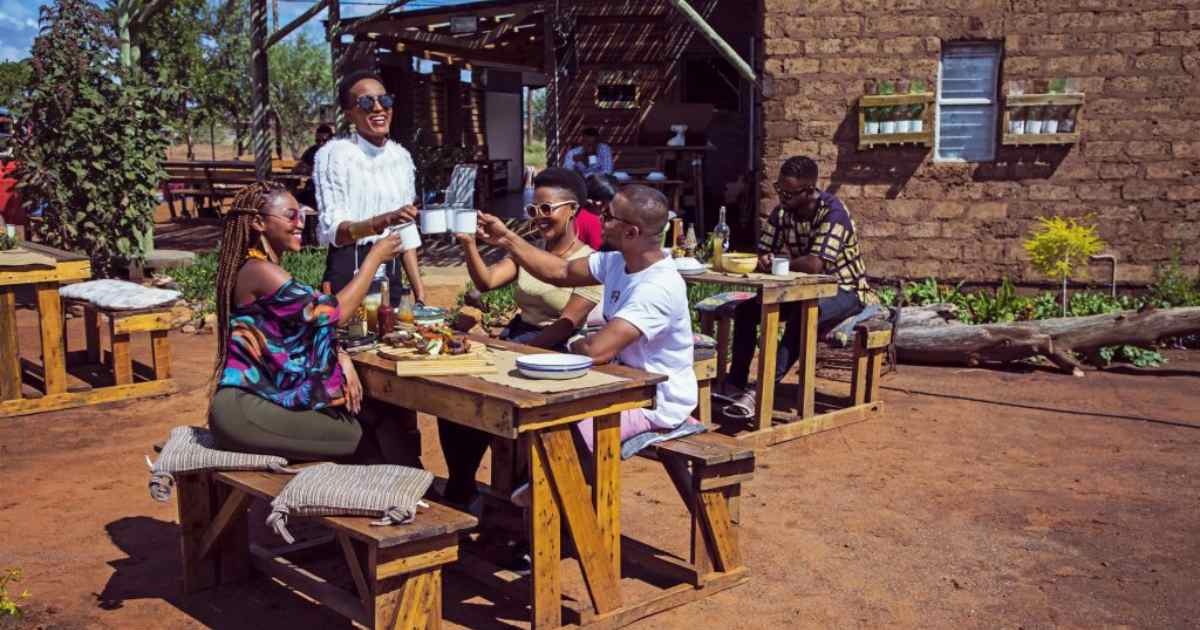
- Township and heritage tours: locally guided walking and cultural tours in Soweto, Langa, Khayelitsha, KwaMashu and similar areas, usually run by independent local guides or small cooperatives.
- Craft and food markets: weekend markets showcasing small producers, from the Eastern Cape’s Wild Coast craft routes to KwaZulu-Natal’s Midlands Meander studios.
- Adventure and outdoor operators: independent hiking, kayaking, ziplining and 4×4 trail operators in the Drakensberg, Garden Route and Cederberg.
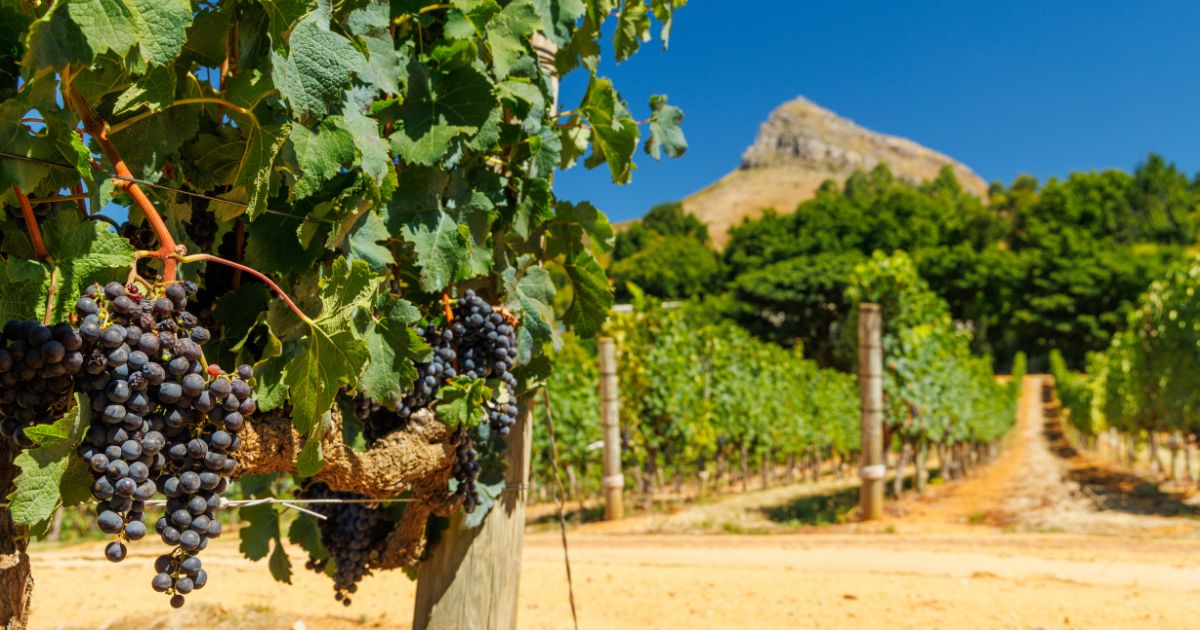
- Wine and agritourism: smaller, family-run wine farms and agritourism ventures in the Western Cape winelands and the Cape Winelands beyond the well-known estates.
- Community-based nature tourism: game and birding experiences run by community trusts adjoining reserves in Limpopo, Mpumalanga and the North West.
- Boutique accommodation: independently owned guesthouses and lodges rather than international hotel chains, particularly in Free State, Northern Cape and Eastern Cape towns that see less international traffic.
How to check a small tourism operator is legitimate and currently trading
Before booking, confirm the operator has a current listing with South African Tourism or their provincial tourism authority, check for recent reviews rather than only older ones, and where possible book and pay through the operator’s own verified channels rather than a third party. Tourism businesses that have gone through formal tourism grading, via the Tourism Grading Council of South Africa, have met a minimum standard of quality and safety.
How the Tourism Equity Fund fits in
The government-backed Tourism Equity Fund was set up to help transform ownership in the tourism sector by combining grant and debt finance for larger capital projects. It is a useful reference point for understanding how the sector is funded, but it is not a walk-in grant for every small operator and has, at various points, not been open for new applications, so check the Department of Tourism’s own page for current application status before assuming funding is available.
What makes a tourism SME different to plan a trip around
The value of choosing a small, independently owned tourism operator over a large chain is usually not price, it is depth. A community-run nature reserve adjoining a national park will often give a far more detailed, locally informed experience than a large lodge chain operating at scale, because the guides are usually drawn from, and invested in, the immediate area. The same applies to township tours, craft markets and family-run guesthouses: the person you deal with generally has a direct financial stake in the quality of the experience, which tends to show in the level of care and detail on offer.
Seasonal planning matters for supporting tourism SMEs specifically
Large hotel groups and chain operators can absorb a quiet season more easily than an independent operator with a handful of rooms or a single vehicle, because they have scale and often other revenue lines to fall back on. This means the months just outside peak season, rather than during it, are often when a small tourism business needs bookings the most, and when a modest weekend trip or team outing makes the biggest proportional difference to that business’s year. If you are planning a work trip, staff retreat or personal holiday with any flexibility on timing, booking a small operator during a shoulder season is one of the more direct ways to support their sustainability.
Practical ways to support tourism SMEs beyond booking a trip
Leaving a detailed, honest review after a genuinely good experience helps a small operator more than almost anything else, since most travel decisions now start with reviews rather than adverts. Referring a small operator to a corporate client for a team event, or including a local guesthouse or activity provider in a work trip itinerary, can also bring in the kind of repeat, off-season business that keeps a small tourism operation viable year-round.
Frequently asked questions
Why do tourism SMEs need local support, not just international tourists?
International arrivals are seasonal and concentrated in a few destinations, while local spending helps small operators maintain cash flow throughout the year, including during off-peak months.
How do I find legitimate small tourism operators in my province?
Check listings with South African Tourism or your provincial tourism authority, look at recent reviews, and where possible confirm the operator has been through Tourism Grading Council assessment.
Is the Tourism Equity Fund available to any small tourism business?
It is aimed primarily at larger capital investment projects and has not always been open for new applications, so check the Department of Tourism’s website for current status before applying.
What kind of tourism SMEs contribute most to local economies?
Guesthouses, independent tour operators, craft markets and community-based nature tourism ventures tend to keep spending circulating locally, since they are usually owner-operated rather than part of a larger chain.
How can businesses, not just individual travellers, support tourism SMEs?
Booking small, local operators for staff events, corporate retreats or client hospitality is a practical way for businesses to direct spending toward tourism SMEs rather than only larger hotel groups.
For current tourism sector data and support programmes, see the Department of Tourism.
Originally published in September 2020. Updated September 2026 to remove pandemic-era statistics and reframe the guide around current tourism recovery data and how to identify legitimate small operators today. Confirm any specific operator’s current trading status before booking.