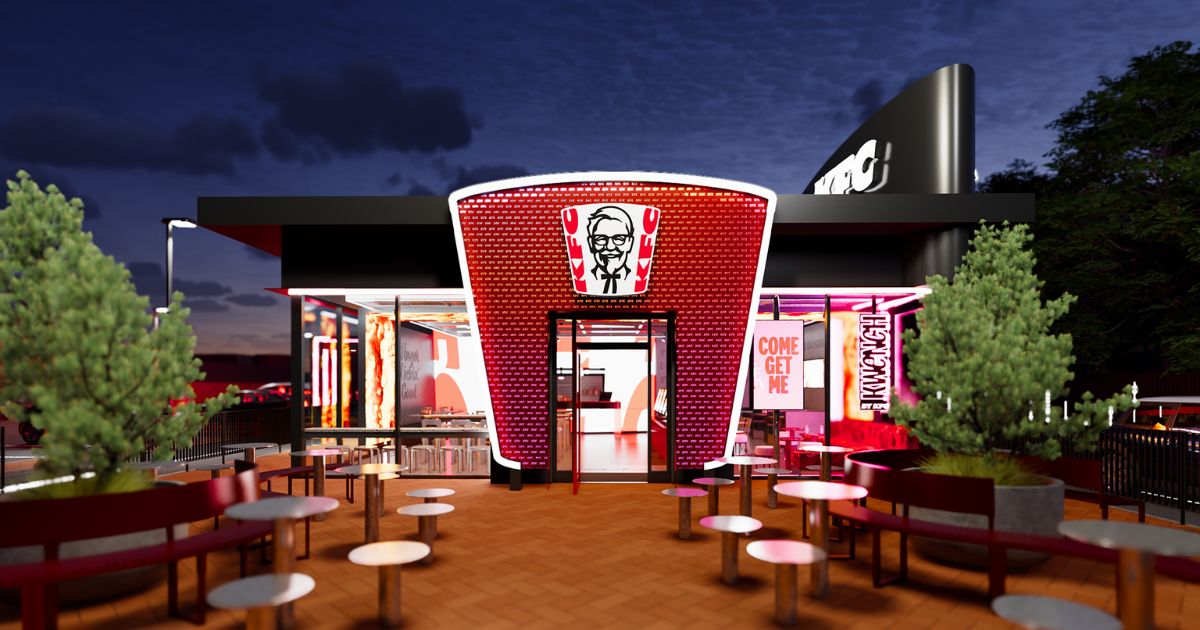
A new international restaurant brand arriving in South Africa through a local master franchisee is a genuine opportunity and a genuine risk, and the two are difficult to tell apart at launch. The brand has a proven format somewhere else. What it does not have is proof that the format works here, and the first franchisees are the ones who find out.
The pattern is familiar: a local franchising group signs rights to one or several overseas chains, announces an opening date and a rollout target, and offers franchises before the first store has traded.
Being first has a cost that is rarely stated
Early franchisees in an unproven local rollout carry the cost of discovering what needs to change. Menu items that do not sell here, portion expectations, price sensitivity, supply chain gaps for imported ingredients, all of it gets learned in the first few stores. Later franchisees buy into a format that has already absorbed those lessons. If you are going in early, the discount or territory advantage should reflect the risk you are carrying.
Check the master franchisee, not just the brand
The overseas brand’s performance in its home market tells you the concept works there. It tells you nothing about whether the local group has the capital, the supply relationships and the operational depth to support a national rollout. Look at how their existing brands are performing, how many of those stores have closed, and whether franchisees in those networks would buy again.
Rollout targets are projections, not commitments
An announced target of a set number of stores within five years is a plan. Ask what happens to your territory if the rollout stalls, whether national marketing spend is contractually guaranteed or discretionary, and who carries the cost of supply chain problems in the meantime. Those answers belong in the agreement, not in the pitch.
Imported concepts have imported cost structures
A menu built around ingredients that must be imported carries currency exposure in its cost of goods, which a local chain does not have. That risk sits with the franchisee, not the brand owner, and it does not appear in the projected returns. Establish which inputs are imported and what happens to your margin if the rand weakens sharply.
Compare it against a proven local alternative
The disciplined comparison is not between this new brand and no franchise, but between this new brand and an established local one at the same investment level. One offers novelty and unproven local demand, the other offers known trading figures from comparable sites. The disclosure that lets you make that comparison is required practice, and the standards are published by the Franchise Association of South Africa.
Frequently asked questions
Is being an early franchisee in a new brand an advantage?
It can be, through better territory or terms, but early franchisees absorb the cost of discovering what the format needs to change locally.
What should you check about the local master franchisee?
The performance of their existing brands, how many of those stores have closed, their capital and supply relationships, and whether current franchisees would buy again.
Are announced rollout targets reliable?
They are projections. What matters is what the agreement says about your territory, guaranteed marketing spend and supply obligations if the rollout stalls.
Why do imported concepts carry extra risk?
Menus depending on imported ingredients expose the franchisee to currency movements in the cost of goods, a risk a local chain does not have and projections rarely show.
How should a new brand be compared against an established one?
At the same investment level, weighing unproven local demand against known trading figures from comparable existing sites.
Further reading
Originally published in April 2017. Updated September 2026 into a general guide to assessing any new franchise brand entering the South African market.