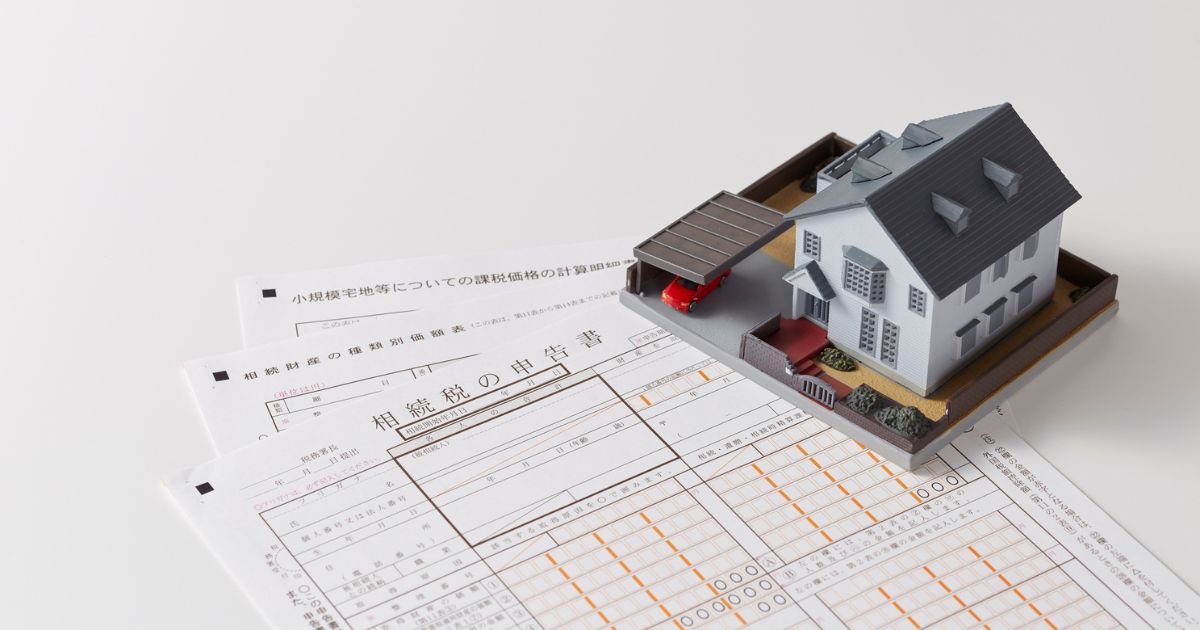
A rental property looks straightforward on paper, buy it, rent it out, collect income, but the real return depends on a set of numbers most first-time landlords underestimate: vacancy periods, maintenance costs, rates and levies, and how the actual rental yield compares to what the capital could earn elsewhere.
Work through these before treating a property purchase as a guaranteed income stream.
Calculate the real rental yield, not just the rent
Gross rental yield, annual rent divided by the property’s value, is the starting point, but the real, net figure needs to subtract rates, levies, insurance, maintenance and management costs, and an allowance for vacancy periods between tenants.
A property that looks attractive on gross rent alone can be a mediocre or even negative investment once realistic costs and vacancy are properly accounted for. Run the full numbers before committing capital.
Location determines both rent and risk
Proximity to employment nodes, universities, transport and amenities affects both how much rent you can charge and how quickly you can find a tenant when one leaves. A cheaper property in a weaker location is not automatically the better investment.
Research the specific area’s rental demand and vacancy trends directly, rather than assuming a general national trend applies evenly everywhere.
Screen tenants properly and protect yourself in the lease
A reliable tenant is worth more than a slightly higher rent from an unscreened one. Credit and reference checks, and a properly drafted lease covering deposit, maintenance responsibilities and what happens on late payment, protect the investment.
Understand your obligations and rights as a landlord under South African rental housing law before entering into any lease, since disputes are considerably harder to resolve without a properly compliant agreement in place.
Budget for maintenance and factor in financing costs honestly
Ongoing maintenance, from routine upkeep to eventual larger repairs, is a real and recurring cost that erodes yield if ignored in the initial calculation. Budget for it as a percentage of rental income rather than assuming it away.
Where the property is financed rather than bought outright, the interest rate and repayment terms materially change the real return, and rising interest rates can turn a marginal investment into a loss-making one. Current lending rates and monetary policy are published by the South African Reserve Bank. Our guide to SME financing options covers financing considerations relevant to a property investment structured through a business.
Frequently asked questions
What is the difference between gross and net rental yield?
Gross yield is rent divided by property value; net yield subtracts rates, levies, maintenance, management costs and an allowance for vacancy.
Why does location matter so much for a rental property?
It affects both achievable rent and how quickly a vacant unit is re-let, so a cheaper property in a weaker location isn’t automatically better value.
Should tenants be screened before signing a lease?
Yes. Credit and reference checks, and a properly drafted lease, protect the investment better than accepting a slightly higher rent from an unscreened tenant.
How should maintenance be budgeted for?
As a recurring percentage of rental income, not an occasional surprise cost, since ignoring it erodes the real yield.
Does financing change the real return on a rental property?
Significantly. Interest rate and repayment terms can turn a marginal investment into a loss-making one if not properly accounted for.