

7 Aug 2026 · 35 min · SME Podcast
How Data Helps Funders Gauge SME Visibility
Hosted by Maryna Steyn
Meet the guest
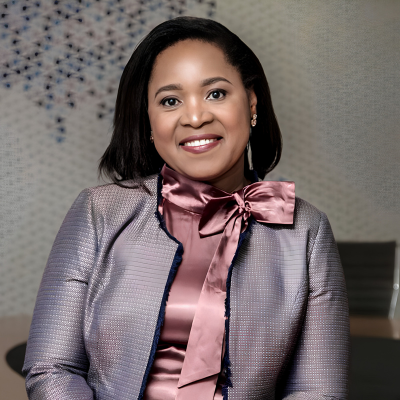
Precious Mvulane is a management consultant and the founder of GAD Consulting Services, a firm built around governance, accountability and development. With more than 25 years in finance and governance, Precious has supported more than 7 500 small…
View speaker profile →About this episode
A funder cannot lend to a business it cannot read. Prudence Gcabashe, a banker with more than 15 years’ experience at FNB, says most small businesses are already generating the evidence funders want; they simply are not showing it.
Reading the label from outside the jar
Gcabashe told host Maryna Steyn that visibility, in lending, means how clearly a business can be understood by someone looking from outside. She pictured a salon owner who serves loyal customers every day and is suddenly asked to supply a bride-to-be: how would a funder see the strength of that business? To a lender, she said, visibility is a business bank account, customer and supplier payments, the digital payment methods in use and compliance such as an up-to-date company registration. “You cannot read a label from inside the jar,” she said, quoting a line she likes, which is why funders look from the outside.
She stressed that funders are not looking for perfection. Many owners believe they are weak because they have no bookkeeper, forgetting that they already have trading activity and a bank account. What lenders want is certainty that the business is active, and a pattern over months, not a single good one.
Your business as a CV
Her main metaphor is the CV. Nobody has met you, but you want to look like the right fit for the role, and a business can do the same through its transactions. Banks and other funders can see which merchants you buy from, the timing of money in and out and your month-end cash flow. Cash businesses that do not deposit their takings, or that mix business and personal spending, hide the turnover funders need to see, and the business may look as if it is not trading.
She also advised asking your own bank first. Your current bank has the full video of your business, she said, whereas a new lender sees only stills in the form of statements. If you do go elsewhere, send everything requested: bank statements for the full period, company registration, tax standing with SARS and some personal information, and check why the information is needed and how long it will be kept.
Digital payments, pre-approved offers
Gcabashe explained that card machines and other digital payments give a lender a clearer picture. At FNB, she said, trading history through a card device can lead to a pre-approved cash advance that is repaid as the business trades, so more is collected in a busy month and less in a quiet one. The offer appears on the customer’s digital channels, though not everyone receives one.
Other products suit other needs, she added: asset finance for equipment, business loans for something like relocating, and overdrafts or credit cards only for short gaps such as waiting for a supplier to pay. Funding, she said, is not the goal; the goal is the value you create, so decide what you want the money to do first.
Five questions to ask yourself
She closed with a five-point check she presented at the SME Funding Summit. Does my income flow through my business account in a way that shows I am trading, and is it separate from my personal money? Do I give customers easy ways to pay, such as card, EFT or a QR code? Are my records current enough for someone else to understand without my explaining? What does my credit behaviour, business and personal, say about how I manage commitments? And what do I need the funding for, and how will I execute the plan?
She also warned that a lapsed company registration can undo everything else: a funder may see money arriving in an account and a deregistration on its system, and not know whether the business is still trading.
Mentioned in this episode
- Don’t let these cash flow mistakes cost you your next funding: Our guide to the habits funders notice.
- The SME Funding Readiness Report 2026: How many applicants qualify and why not.
- Companies and Intellectual Property Commission: Where to keep your company registration and annual returns current.
Questions this episode answers
What does SME visibility mean to a funder?
How clearly the business can be understood from outside: a business bank account, customer and supplier payments, digital payments and compliance such as an active company registration. Gcabashe says it is not about perfection but about being easy to understand.
Why should a business try its own bank first?
Because its bank has a full picture of its trading from the day the account opened, while another lender sees only snapshots. That history can also help a business that does not have audited financial statements.
How do digital payments help a business get funded?
They create a clear record of turnover. Gcabashe says FNB studies trading through card devices and can offer a pre-approved cash advance, repaid as the business trades, though not every business receives an offer.
What are the five questions she suggests?
Is my income flowing through a business account that shows I am trading, and kept apart from personal money? Can customers pay easily and digitally? Are my records current and clear? What does my credit behaviour say? And what do I need the funding for, with a plan to execute?