

24 Jul 2026 · 35 min · SME Podcast
Why Capital Alone Won’t Scale Your Business
Hosted by Maryna Steyn
Meet the guest
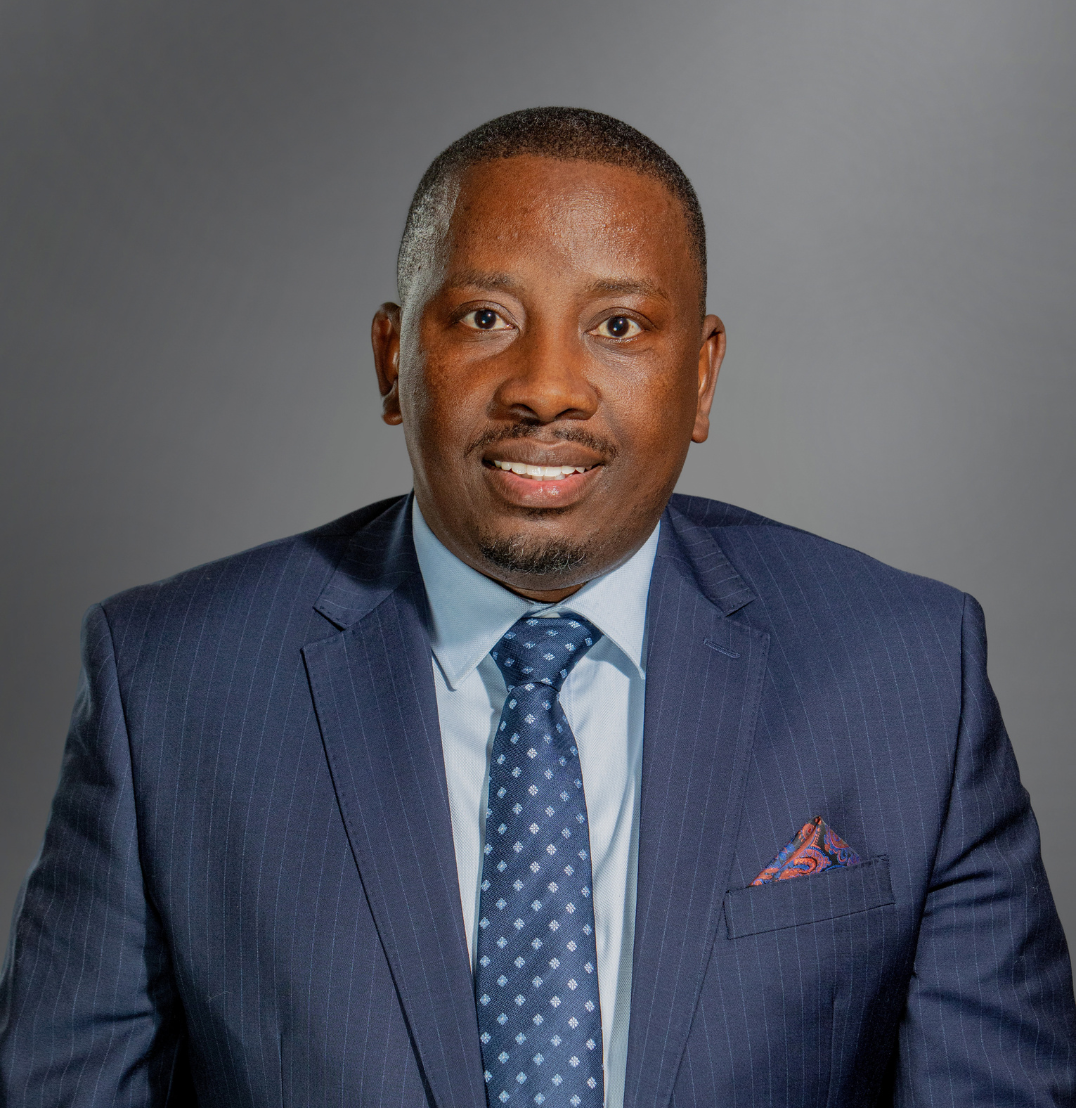
Thabang Hleza is an investment professional who has held roles in development finance and private equity. He has been responsible for the strategic, operational and financial performance of several portfolios, with experience in deal structuring and value creation…
View speaker profile →About this episode
South Africa has plenty of funding and plenty of worthwhile businesses, yet most applications fail. Thabang Hleza, head of investments at the Old Mutual Masisizane Fund, says the missing piece is not more capital but the capacity to absorb it.
The capital paradox
Hleza, who presented a talk titled Beyond the Check at the 2026 SME Funding Summit, told host Maryna Steyn that the often-quoted R350 billion funding gap is not a lack of applications. There are enough investment-worthy opportunities, he said, but too few that are investment ready, leaving a mismatch between what small businesses seek and what funders need.
He rejected the idea that either side is simply at fault. Small businesses often lack audited financials, collateral and an equity contribution, and funders cannot verify what owners tell them, a problem he calls information asymmetry. But to blame only the SME would be "a very intellectually lazy argument," he said, because traditional lenders look for collateral, a track record and predictable cash flow that young firms rarely have. He favours a hybrid model that combines capital with business support, market access and alternative data in underwriting.
A Formula One engine and the compounding leak
The Formula One image he used at the summit makes the point that scaling capital must land in a business with the systems to absorb it. A firm that managed one customer on a spreadsheet and suddenly serves ten or fifteen will see missed invoices, skipped reconciliations and uncaptured inventory. Those operational leaks, he said, do not stay small: they compound and can end in default. A moment of success can become a moment of failure.
His advice is to ask early who needs to join the business, which systems, processes and governance are required for the next stage, and when to bring in advisory support. Businesses often keep operating, he said, as they did when they were a one- or two-person firm.
Four kinds of support, aimed at the right problem
Hleza described four pillars of business support: technical assistance, since businesses fail from a lack of capacity to hold growth rather than a lack of demand; strategy and advisory support, so a firm moving from R1 million to R50 million relies on data rather than instinct; access to market, which in his view is far more important than access to funding; and turnaround and restructuring for businesses that need stabilising, not more debt.
Support, he argued, should be targeted. His fund's readiness programme, due to launch in August, starts with a diagnostic across five areas (financials, market readiness, legal, compliance and technology), builds a growth plan around the gaps found, and only then makes the business available to an investment committee. He contrasted that with a standard set of 15 classes for everyone, which is why, in his view, so many small businesses complain of being over-trained.
Support as a portfolio lever
To investors who treat support as a social add-on, he said it is a lever for portfolio quality. Signs that it works include management accounts delivered on time, forecasts, and teams that can explain variances; controls that continue to function when the founder is away, reducing key-person risk; and rising revenue, with businesses that survive after the investment period ends. He said approval rates are low, citing research of between 10 and 13 percent, or about 20 percent at most, even though funding is available.
After 19 years as a fund, its lesson, he said, is that capital is no silver bullet: it amplifies either the opportunity or the problem.
Raise money before you need it
His final advice is practical. Put in place processes that suit your stage, even if they are manual, and improve them as you grow. And approach funders early: "the first time to raise funding, I often say, is when you don't need it," because a business under time pressure takes whichever term sheet arrives first. Scan the market for funders whose mandate fits, tell them about your business and ask what would need to be true for them to back you in three or six months. If you are raising R50 million, he noted, you can cross off funders whose limit is R20 million, and a list of 50 becomes three.
Mentioned in this episode
- Everything you need to know about Old Mutual's Masisizane Fund: Our overview of the fund Hleza leads investments for.
- Capacity building for growing businesses: Our guide to the support described in the episode.
- The SME Funding Readiness Report 2026: How many applicants qualify and why not.
- Old Mutual: The group behind the Masisizane Fund.
Questions this episode answers
What is the South African capital paradox?
Hleza describes a funding gap often put at R350 billion that exists even though there are enough investment-worthy opportunities. The shortfall, he says, is of opportunities that are investment ready, a mismatch between what small businesses offer and what funders need.
What are the four pillars of business support he describes?
Technical assistance, strategy and advisory support, access to market, and turnaround and restructuring. He says businesses fail more from a lack of capacity to hold growth than from a lack of demand.
How does the funding readiness programme work?
It starts with a diagnostic of a business across five areas: financials, market readiness, legal, compliance and technology. A tailored growth plan then addresses the gaps, and once they are closed the business is put in front of investment committees.
When should a business first approach funders?
Before it needs the money. Hleza says the first time to raise funding is when you do not need it, because a business in a hurry takes the first offer. He suggests shortlisting funders whose mandates fit and asking what you would need to qualify.